

An estimated one fifth of South Africa’s children are orphaned and close to 65% live in low-income households, according to the South African Human Rights’ Commission (SAHRC).
Besides food insecurity and a struggle to access education and basic services such as water and sanitation, many children are also exposed to high levels of violence.
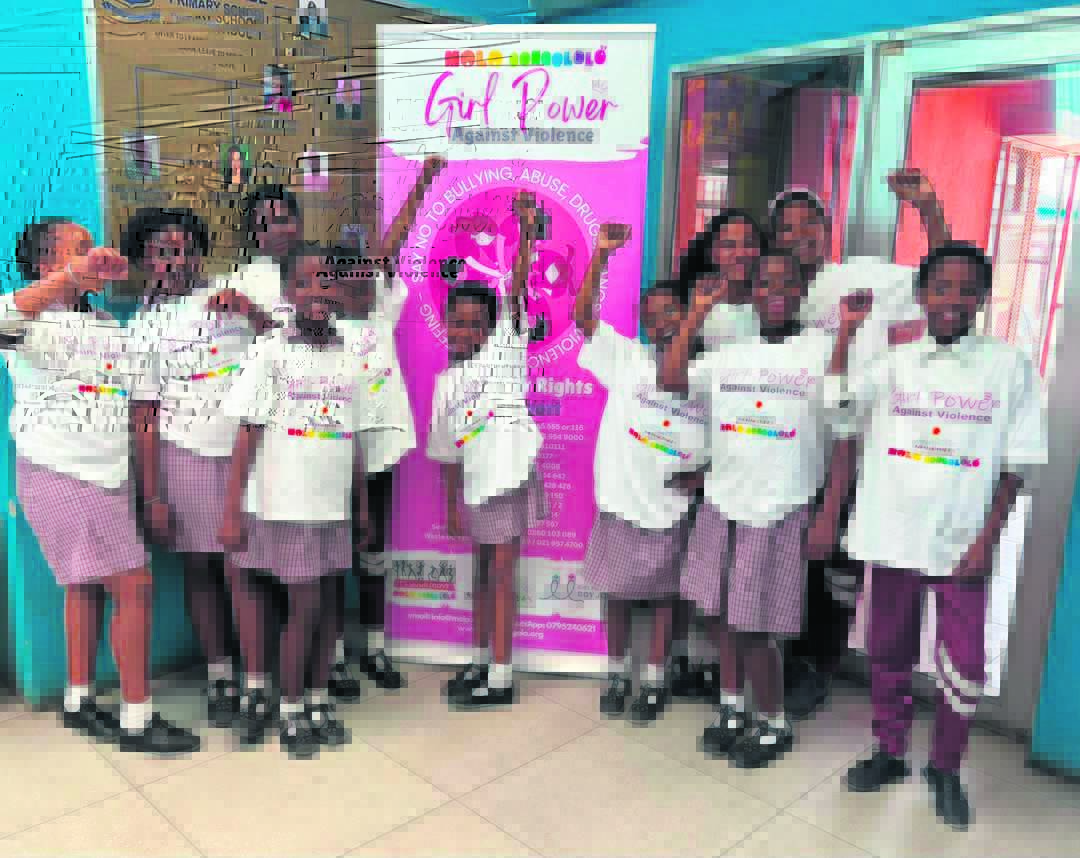
This week (29 May to 5 June) marks Child Protection Week with a focus on the rights of children (legally under age 18) as set out in the Constitution and the Children’s Act.
Some of the basic children’s rights as entrenched in the Constitution (Section 28, Bill of Rights) are:
a name and a nationality from birth; family or parental care, or appropriate alternative care when removed from the family environment; basic nutrition, shelter, basic health care and social services; and to be protected from maltreatment, neglect, abuse or degradation and exploitative labour practices.
Locally, Badisa Kuils River renders child protection services in the Kuils River area only.
Jevon Barry, social auxillary worker at Badisa Kuils River, says they believe a child’s immediate or extended family is normally the best place for them to flourish and develop. “But if there is reason to believe a child is unsafe in their own home, we will remove them and place them in temporary safe care.”
Barry says there are currently around 500 children in some form of temporary or foster care in the larger Kuils River area. “We have a huge need for more safety or foster parents.”
He explains they prefer to place children locally as provision will be made to keep some contact between a child and their biological parent(s) if circumstances allow.
“If you have a passion to help children and are interested in partnering with Badisa Kuils River by opening up your home to care for and safeguard vulnerable children, you can volunteer to become a safety parent,” says Barry.
A safety parent can take temporary care of no more than six children, with a possible exception where children are siblings.
Barry explains temporary safe care is an extraordinary measure that can be used by a designated social worker or police official where they believe, on reasonable grounds, that the child is in immediate danger.
“We will send a designated social worker or police officer to remove the child from their home if there’s evidence that the child is being abused, neglected or exploited.
The child will then be placed in temporary safe care, where they will stay pending the outcome of a formal court process.
Temporary safe care can be provided either by an approved person –related or unrelated – or an approved place of safety.”
Prospective safety parents must:
- Have an interest in the wellbeing of a child at risk;
- have a police clearance and a Form 30 notification – this applies to all the adults residing on the premises of the applicant;
- have a Form 39 approval from Badisa Kuils River child protection services organisation, that is an approval to provide temporary safe care for children in need according to the Children’s Act.
As emergency placements can happen at any time prospective safety parents should be available at short notice.
A court order will be issued when children are placed in foster care as ruled by the court on the recommendation of a social worker. The court order also allows for financial assistance in the form of a foster care grant.
“We, as Badisa Kuils River, ensure that children receive the services needed in terms of their physical, emotional and mental well-being. To protect the identity of a child is of utmost importance,” says Barry.
He says the children’s best interest is always at heart, but they also strive to support the safety and foster care parents to the best of their ability.
“Support includes, but is not limited to, home visitations and therapeutic support when necessary.”
Barry says they are launching a skills development support group aimed at foster parents soon.
“The group sessions will highlight the challenges that foster parents face with their foster children, as well as equip them with the necessary skills to address or cope with those challenges.”
This group is a closed group, focusing only on foster parents who were screened by Badisa Kuils River, but Barry says ‘‘potential foster or safety parents” are welcome to contact their office.
- Contact Badisa Kuils River (Jevon Barry or Jamie Sauls) on 021 906 1881 or email at badisakuils@vox.co.za for more information. Donations are welcome and will be directed to safety or foster care parents in need. Feedback will be provided to sponsors if requested.