


Cape Town’s growing population, shortage of available cemetery space and ageing infrastructure are placing increasing pressure on existing burial facilities.
The City of Cape Town has therefore released a draft policy to manage burial and cremation services as cemeteries and crematoriums face growing pressure.
The draft Burial, Crematoria and Cemetery Management Policy sets out how the City plans to regulate and run cemeteries, crematoriums and funeral undertakers across Cape Town. It also covers how the City will provide burials and cremations for people who cannot afford to pay.
The policy is open for public comment until 5 October. Residents, funeral undertakers, community organisations, religious bodies and other stakeholders are invited to submit input.
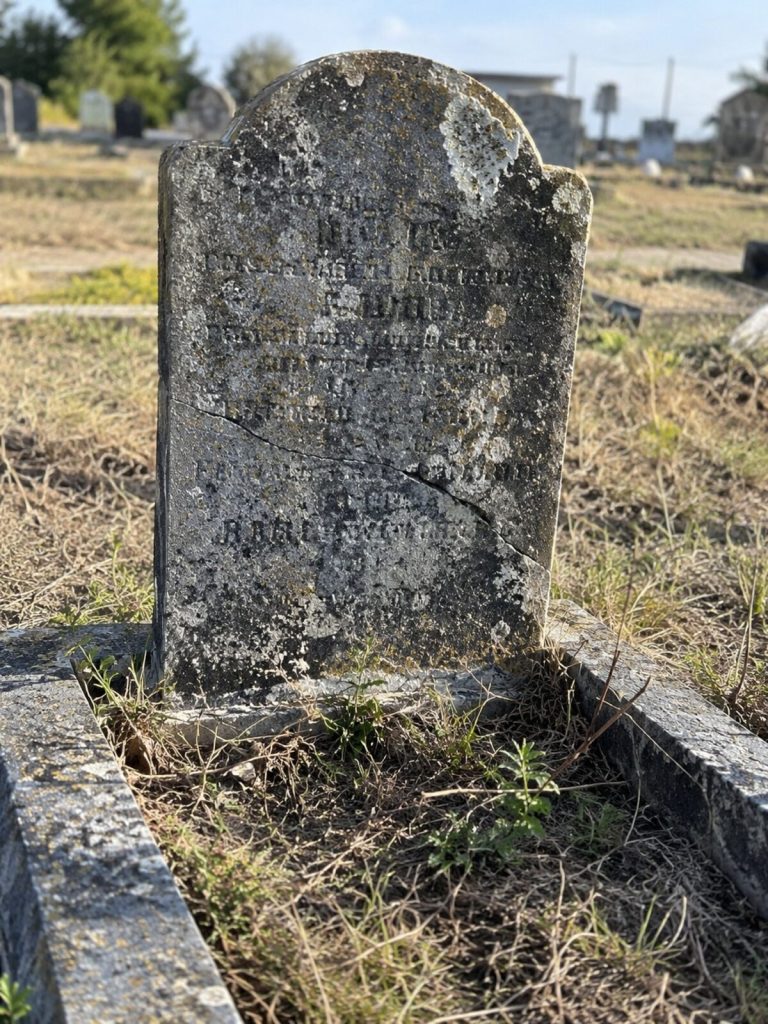
Running out of space
The policy identifies a shortage of vacant cemetery space caused by population growth and increased burial demand. Heritage, environmental and competing land needs further limit the land available for new cemeteries.
The City says it needs to make better use of existing space, plan for future capacity and promote alternative burial options to ease the pressure.
Strain on resources and staff
Beyond space, the City faces pressure on resources, staffing and coordination between departments. Growing demand and limited resources create challenges for service delivery and maintenance.
Existing information systems are not fully digitised or connected, which affects record-keeping and oversight.
Cemeteries also deal with trespassing, vandalism and theft, which the policy says affects visitor safety and the dignity of burial grounds.
Funeral undertakers and public awareness
The City relies on funeral undertakers as delivery partners, but says inconsistent registration, compliance and payment practices create administrative and operational problems.
Residents are not always aware of the options and costs available to them. The policy notes that a lack of awareness about alternatives such as cremation, shared graves and vertical burials puts further strain on cemetery space.
Alternative burial options
The draft policy encourages space-saving alternatives, subject to legal and environmental approvals. These include green burials, which use environmentally friendly methods, vertical burials, reduction burials where graves can be reused after a minimum of 10 years with family consent, cremation, niche walls for storing cremated remains, and scattering gardens.
The City also supports pilot projects to test new burial methods and service models. Community engagement is required before any wider roll-out.
Making better use of old cemeteries
The City may audit cemetery grounds that have been unused for 20 years to assess whether they can be reused or closed. The public must be given at least 60 days’ notice before any closure or reuse, and existing burial rights must be honoured.
City-assisted burials and cremations
A key focus of the draft policy is supporting access for vulnerable residents to dignified burial or cremation services when they cannot afford funeral costs.
To qualify for a City-assisted burial or cremation, the deceased must have had no income above the state pension threshold, no insurance or estate, and no next of kin or person able to pay.
The City provides a standard package, including transport of remains, a biodegradable coffin or appropriate container for cremation, and a public grave or cremation. No memorial work is permitted on City-assisted graves and no exclusive burial rights are granted.
The City’s 2015 policy on burial or cremation of destitute persons has been incorporated into the new draft and will be withdrawn once the new policy is approved.
Emergency plans for pandemics
The policy includes emergency burial and cremation protocols for pandemics and public health emergencies. These could include limiting attendance at funerals, restricting the handling of remains, prioritising cremation or immediate burial, and using dedicated cemetery sections for pandemic-related deaths.
City urges residents to comment
Councillor Francine Higham, Mayoral Committee Member for Community Services and Health, said: “Death and memorialisation are deeply personal. They are tied to faith, family traditions, culture and finances, which is why the City cannot finalise this policy without hearing from residents and stakeholders.”
“This draft policy is about dignity, clarity and care. It looks at how we manage limited cemetery space, how we support vulnerable families, how we protect cemetery spaces, and how we make sure residents understand the options available to them,” she said.
“I encourage residents, community organisations, faith leaders, funeral undertakers and all interested stakeholders to read the draft policy and share their comments. Every submission will help us shape a policy that honours our loved ones with dignity and supports the families they leave behind.”
Ongoing review
The policy will be reviewed at least every five years, or sooner if needed due to changes in legislation, public health, operations, finances or the environment.
Have your say
The draft policy is available for viewing on the City of Cape Town website at http://www.capetown.gov.za/haveyoursay.
Comments, input and recommendations can be submitted by email to Public.Participation@capetown.gov.za or by clicking the Add a comment button on the website.
Special assistance will be provided to people who cannot read or write, people with disabilities, and other disadvantaged groups who are unable to submit written comments. Members of these groups can contact the City’s Public Participation Unit: Andre Louw at 021 400 9809 or Andre.Louw@capetown.gov.za.
Enquiries about the draft policy can be directed to the Community Services and Health Directorate on the City of Cape Town website.
ALSO READ: Opposition slams City’s draft animal keeping by-law as absurd



You must be logged in to post a comment.