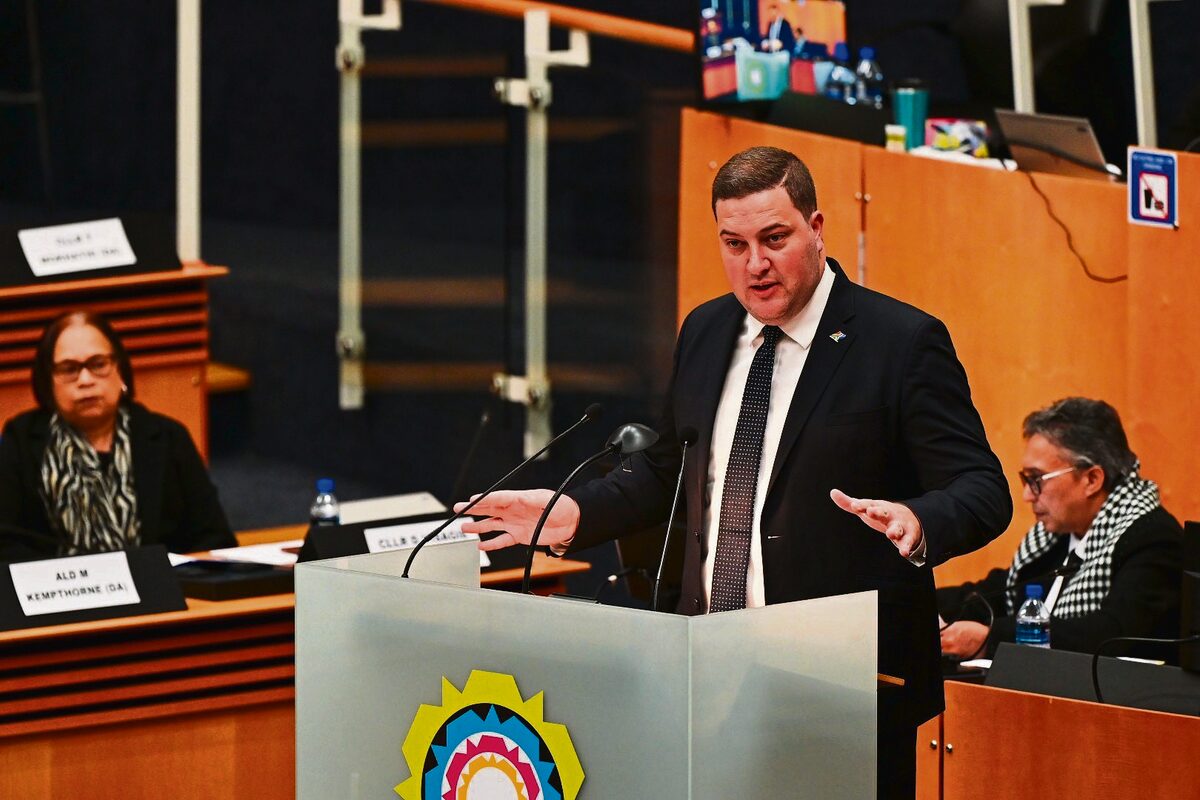

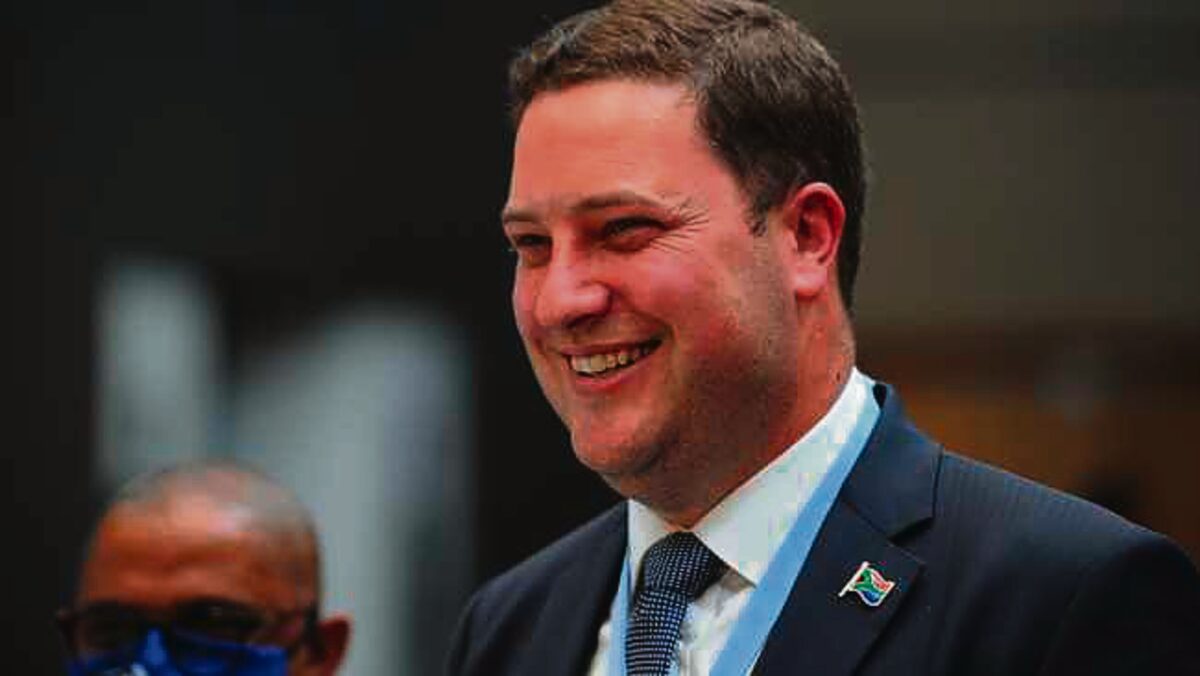
In an answering affidavit to the court case brought by the South African Property Owners Association (Sapoa) to have the three new fixed tariffs for Cape Town residents reviewed and set aside, Mayor Geordin Hill-Lewis warns that scrapping them would leave the City with a R4.2 billion shortfall this financial year.
The 300-page affidavit was filed in the Western Cape High Court, yesterday.
Sapoa, in mid-July filed an urgent application in the Western Cape High Court, challenging the legality of the three new property-linked tariffs in Cape Town’s 2025/26 budget. Sapoa held that the cleaning levy and fixed water and sanitation charges based on property value, unfairly burden ratepayers and infringes on property rights under Section 25 of the Constitution. along with setting a concerning precedent.
They stated that that the new tariffs do not comply with the Property Rates Act in that it is based on property values rather than actual use. It says the charges are not a consumption-based fee, a basic surcharge, or a municipal tax, but rather a form of property rate that doesn’t meet legal requirements.
Negating the argument Hill-Lewis stated that the City in determining the 2025/26 budget fulfilled its constitutional obligation and that the tariffs are lawful and constitutionally sound.
He says Sapoa’s case has no substantial legal grounds, as the tariffs are fair and rational, as well as being constitutional in that the metro has a constitutional duty to provide water, sanitation and cleaning services and to establish the right or levies to pay for them.
Tariffs needed to combat poverty
Pointing to South Africa having the highest inequality in the world, he said, the budget encapsulates the principle of equality within the current social context.
“In an ideal word the City’s revenue would meet all the City’s needs, but this is not the case. There are obvious tensions between policy priorities and financial realities,” he stated.
The mayor says Sapoa does not argue that the tariffs are excessive and that the court application is therefore limited to one issue, namely that it is unlawful to link the fixed tariffs to property values. In this respect he argues that property values in this instance are merely used as a measure to determine the tariffs that are not in essence a property tax.
He furthermore stated that municipalities across South Africa are caught in a financial vice, driven by rapidly growing populations and the urgent need to expand infrastructure to maintain basic services. Without raising funds from residents, the only alternative is the decline and eventual collapse of public services and infrastructure.
He said the tariffs are needed to set the city on a “new path” to combat poverty in the face of a massive population growth in Cape Town.
Hill-Lewis cited census data showing Cape Town’s population grew by 27% between 2011 and 2022, now officially at five million. He believes the true figure is higher due to undercounting in informal settlements, where over 1.2 million people live in some 800 such settlements with only shared taps or toilets.
“I do not in any way wish to suggest that I regards concerns raised over the budget as trivial. The concern which almost all residents in this country raise in relation to relentless increases in municipal bills, food and fuel is real and acknowledged by the City and has been taken into account.”
The urgent court challenge is set to be heard on 17 and 18 September in the Western Cape High Court.