

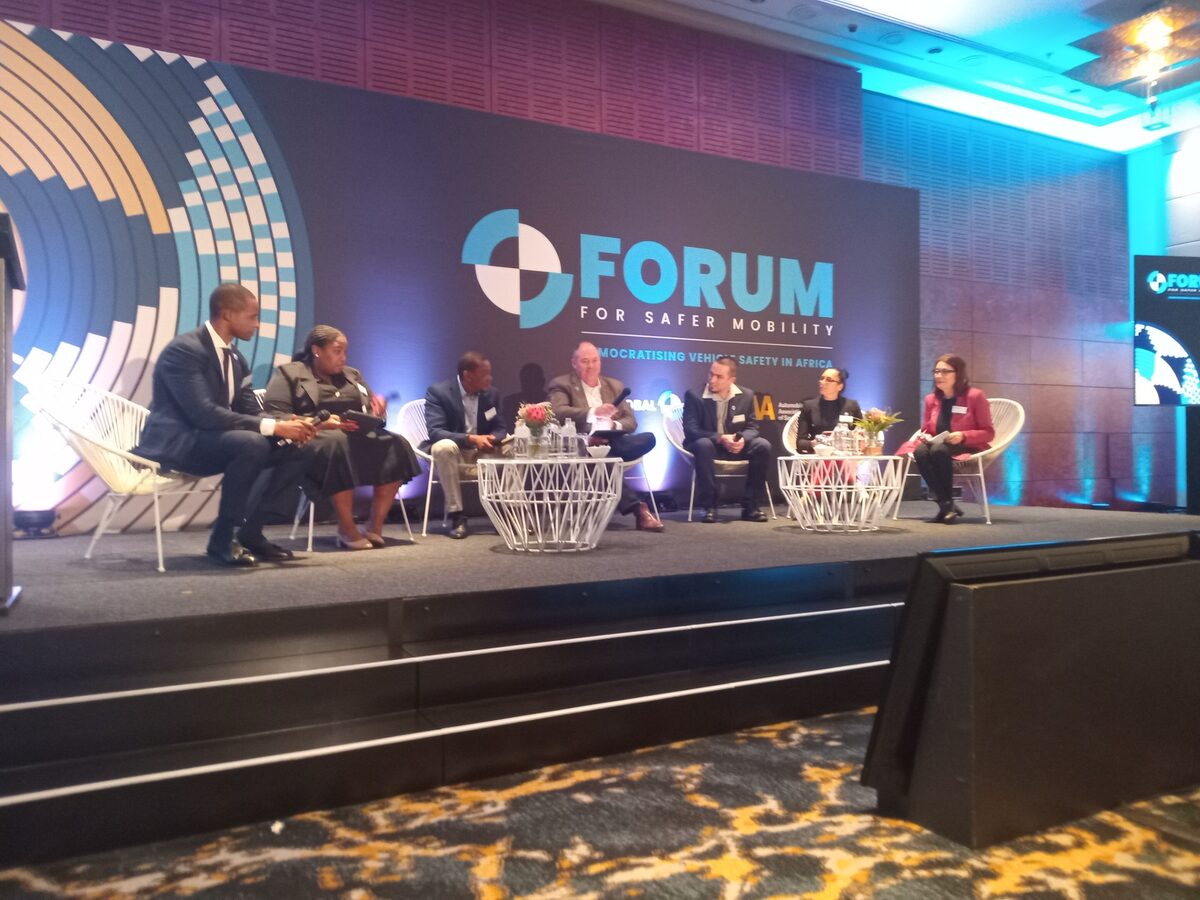
Experts from around the world attended the Forum for Safer Mobility which took place in Cape Town this week where vehicle safety in South Africa and Africa was discussed. The African continent, according to the Automobile Association of South Africa (AA), is the only continent in the world without a New Car Assessment Program (NCAP).
The event was hosted by the AA and Global NCAP – a UK registered charity working internationally to democratise vehicle safety in support of the UN Global Goals. The theme for the forum was “Democratising Vehicle Safety in Africa.”
Consumers awakening
Bobby Ramagwede, chief executive of the AA, was one of the speakers on the African Panel and spoke on the consumers “awakening” to vehicle safety, and manufacturers who should ensure that safety specifications come standard.
“It has taken us almost 10 years to sit on this platform and have a meaningful conversation about the second most important pillar in road safety, being the vehicle itself.
“Consumers live in a world where they are being bombarded with information. We’ve got devices, wearables, all sorts of other gadgets adding to our cognitive growth. So, when we ask consumers to vote for themselves and to understand the features of vehicles, and to maximise their safety in cars, sometimes we are asking them for a bit too much. That said however, almost ten years down the line, we’ve got a programme that has woken South Africans up. It hasn’t just woken up South Africans; it has woken Africa at large. We deserve safer cars,” said Ramagwede.
He added that as an organisation that promotes safety, the access and the affordability of mobility, it is a pleasure to see consumers waking up.
“I often say the same thing; I’d be happy if I’d walk onto a dealership floor and saw some sort of NCAP rating on a vehicle, similar to the energy efficiency stickers that you would find on a fridge and a washing machine. Similarly, it would be great to see consumers leave their purchasing decision with some consideration for safety.”
Ramagwede said consumers often think of safety when it is a bit too late.
“I’m probably wrong to say none of you haven’t been touched by the loss of a loved one in a vehicle accident. Should we have to wait for it to get to our doorstep before we take it seriously?
“One of the messages I often share with consumers, is that you need to start loving yourselves a little bit more. Love yourself enough to choose a safer car. Love yourself enough to appreciate that sometimes choosing that safe car, might mean a R5000 difference on the price tag. There is the reality right, you add more metal, when you add more parts to the car, on a standalone basis the price is going to increase,” he told attendees.
He says safety features, however, should not account to exorbitant cost of the vehicle.
His message to the Original Equipment Manufacturers (OEM) is also clear. “To the OEM’s I often say, guys you know how to manufacture safer cars, let’s find a way of getting those safe cars into our market.”
Ramagwede said, though they are seeing a lot more activity and a lot more activism on the consumers’ side, they are still not seeing enough.
He also explained that role-players need to appreciate what mobility means in South Africa. “Mobility is dignity. Mobility is economic advancement; it is the lubricant that keeps us going. We have a very unique ecosystem in South Africa, where our backbone isn’t rail, it is the minibus-taxi. Many of those occupants aspire to have their own form of transportation.”
Ramagwede continued saying that the entry level-vehicle consumer, are more concerned with the flashy lights and the onboard technology. “It is their opportunity to express their independence and their freedom, in an entry-level vehicle. It is our responsibility, collectively, to ensure that when my son jumps into his first car, and my mother downgrades into a smaller car, that the last thing that they are to consider is whether or not they are safe,” he said.
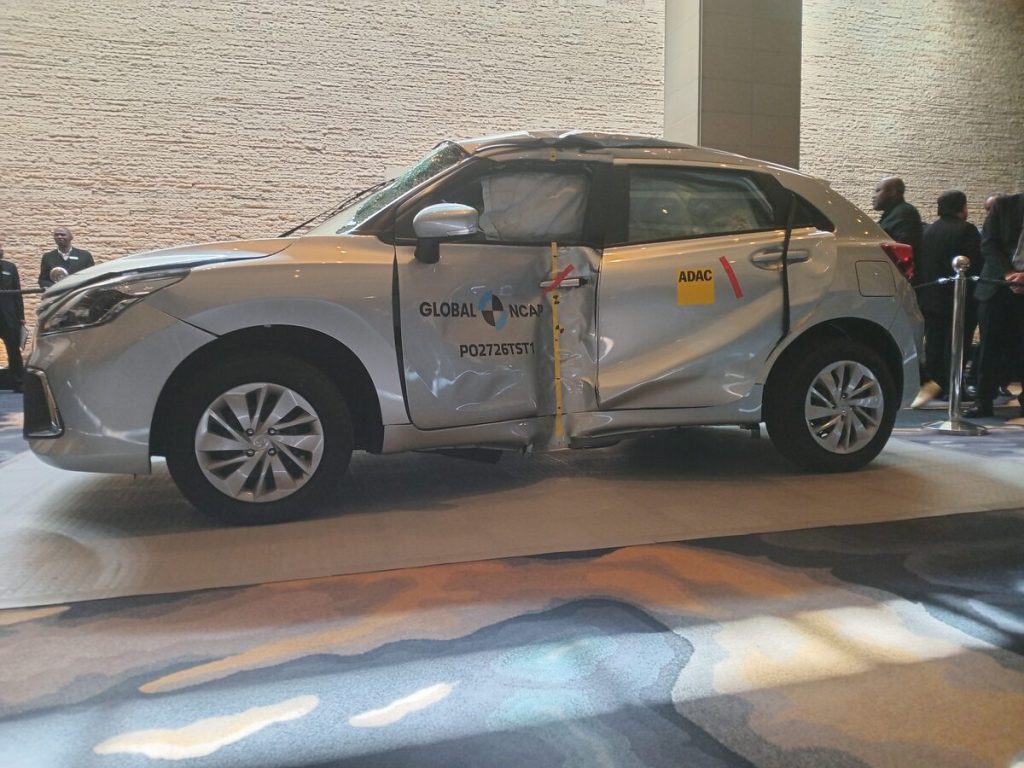
Cost of unsafe vehicles
Ramagwede said the safety of the vehicle should be synonymous with the four wheels of the vehicle.
“We cannot allow for bureaucracy to be the reason why we drag our feet. We haemorrhage more than 50 000 South African lives every year on account of some or another road fatality. If you add five years to that, you multiply it, are we prepared to bury another 250 000 people because rules require that we drag our feet? Now that the information is on the table, the question I ask is, what are we going to do about it. Are we going to come back here for another forum to discuss how we bury more people, how we knew the answer to the question and how apathetic we were in implementing that solution?”
Ramagwede emphasised that fortunately, consumers are awakening.
“They are awakening slowly, appreciating what is available to them. It’s a slow journey for us as a continent. We are the only ones without NCAP.” He says there-in lies an opportunity for consumers to wake up, and an even greater opportunity for those who wheel the power to influence policy and product, to do the right thing.
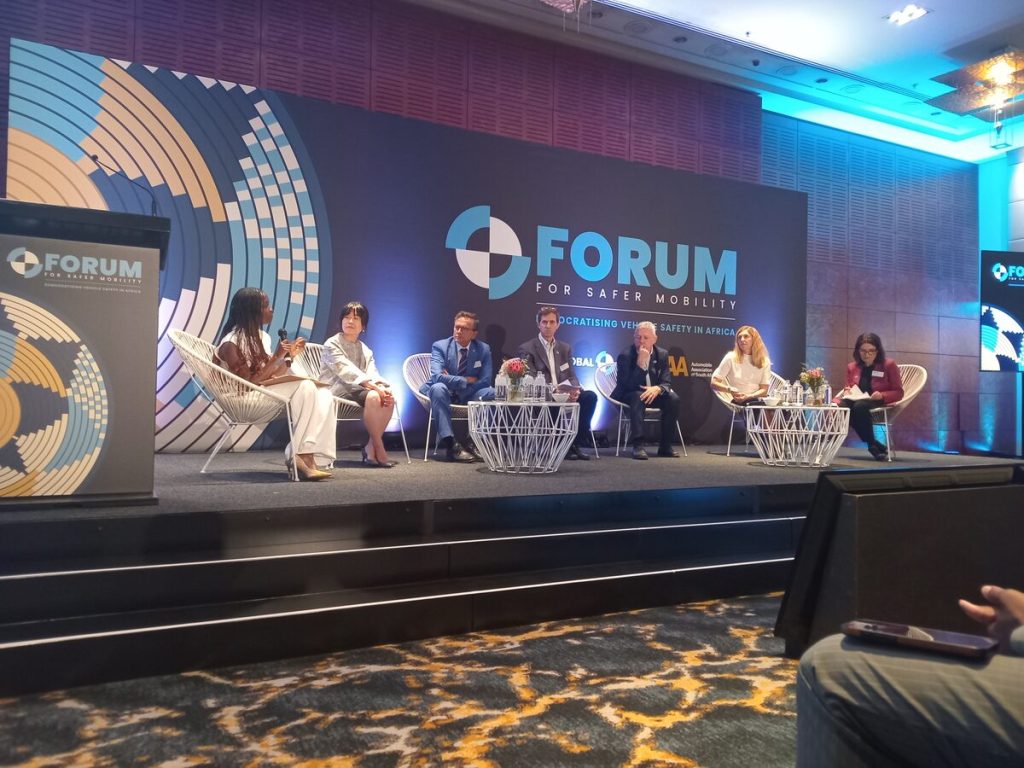
Speakers
Other speakers at the event’s African Panel included Tshepo Mphuti (National Regulator for Compulsory Specification), Neale Hill (Ford Motor Company Africa), Pieter Venter (Autoliv South Africa), Ana Bonanno (Avis Southern Africa) and Precious Nduli (Discovery Insure).
The International Panel included speakers from the World Health Organisation (WHO), United Nations Economic Commission for Europe (UNECE), Global NCAP, Fédération Internationale de l’Automobile (FIA), Bloomberg Philanthropies and the FIA Foundation.
The event was held at the Westin Hotel in Cape Town on Tuesday 1 September.
ALSO READ: Cape Town joins Bloomberg global road safety drive


You must be logged in to post a comment.