

A facility opened in 2018 is continuing to alleviate pressure on some of the busiest state-run hospitals in the province.
The Mitchells Plain Intermediate Care facility, operated by non-profit company Aquarius Health Care, is a 148-bed Transitional Care Facility that accommodates the health needs of patients who may need additional support and care after their discharge from the hospital.
The facility provides intermediate care to medically stable patients who cannot be discharged but do not require acute care.
Here, they also offer palliative care for terminally ill patients.
Care for indigent patients
Sr Valerie Damon, facility manager who has been at the facility since it opened, says they only manage the needs of indigent patients and have referrals from Mitchells Plain District Hospital, Groote Schuur, the greater Klipfontein substructure, which includes Gatesville and Gugulethu, Khayelitsha District Hospital and even treated patients from as far afield as George and Beaufort West.
While this facility is managed by an NPC on a contractual basis, it is owned and funded by the Western Cape Department of Health and Wellness and is situated on the grounds of Lentegeur Hospital.
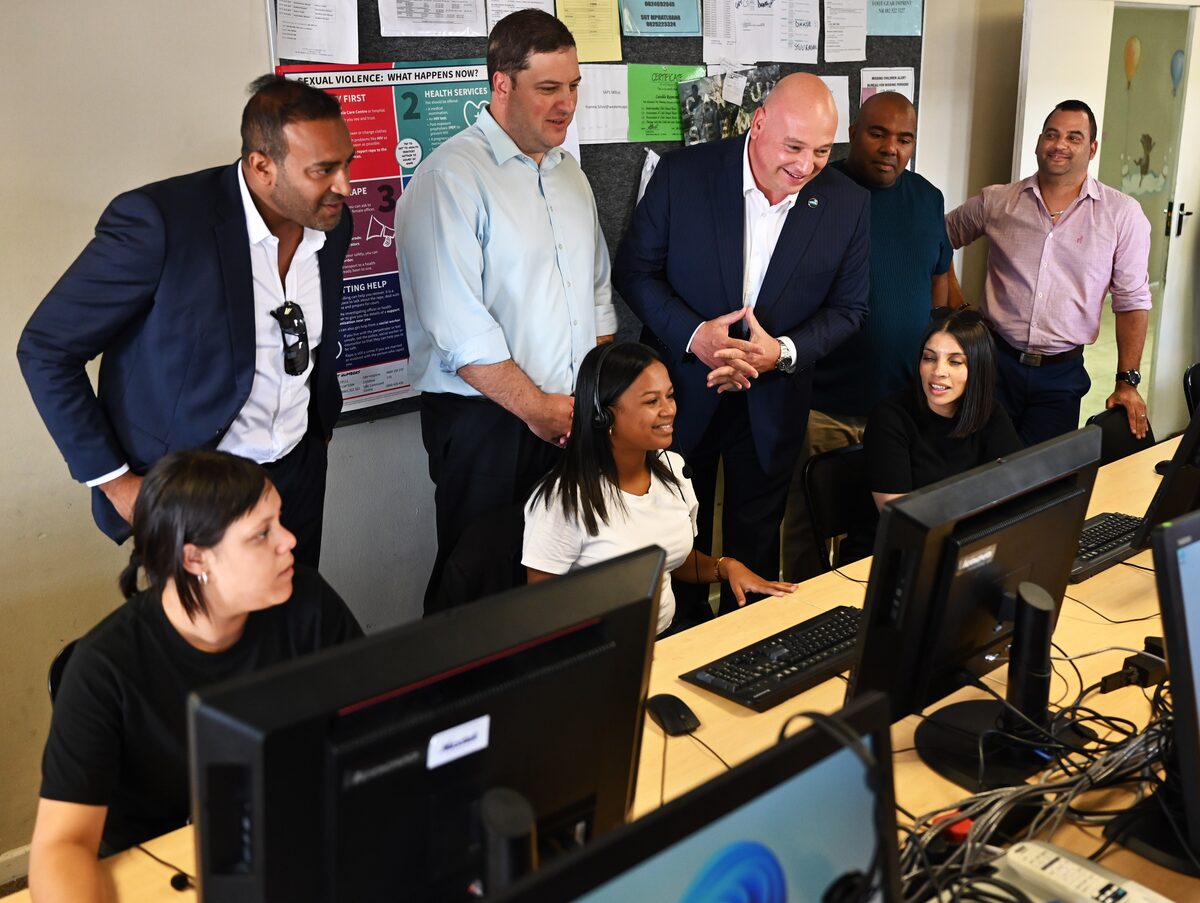
On Tuesday 2 April, provincial minister of health and wellness, Prof Nomafrench Mbombo, conducted a site visit of the facility with a delegation.
Chief executive officer (CEO) of the Western Cape Rehabilitation Centre, Fatima Peters, who also oversees the metro’s transitional care services, says: Following the Covid-19 pandemic and the implementation of the Western Cape Transitional Care Policy (in 2022), the department is making use of transitional care to alleviate the pressures being placed on our acute hospital platform.
“Facilities such as the Mitchells Plain Transitional Care Facility are playing a crucial role in bringing together multidisciplinary teams, including rehabilitation and community care workers, to provide these essential packages of care.”
The Transitional Care Policy outlines the concepts, principles and considerations for the implementation of transitional care in the Western Cape. This has evolved from the previous policy position of intermediate care released in 2012 and also accounts for the lessons learnt during the Covid-19 pandemic, says the department.
Budget constraints
The Mitchells Plain facility is one of several in the province, including Brackengate in Brackenfell and the Freesia Ward also located at Lentegeur Hospital.
These facilities form part of a group of facilities offering 539 beds in the metro and 353 beds in the rural health districts.These services fall under the sub-acute, Step Down and Chronic Medical Hospitals sub-programme in the department’s budget, which has been allocated R469,875 million for the 2024-25 financial year.
Mbombo says while budget cuts have affected the department, facilities like these remain vital in freeing up much-needed space at state hospitals.
These are patients who would have been in beds at hospitals but not ready to be discharged to go home.
There is still some care needed, but they don’t need to be in beds at acute hospitals, they then get discharged to a facility like this,says Mbombo.
As our country navigates a constrained budgetary period, we must look at ways to ensure the whole healthcare system is strengthened to manage both the present and future demands.
This is why transitional care is, and will continue to be, a strategic focus for the department going forward.
With our acute hospital services operating under immense pressure, transitional care facilities such as these are playing an important role in our service redesign process where we are aiming to optimise the efficiency, equity and quality of care across the province, says Mbombo.
Time-Limited care
At the facility, patients are allocated a maximum of 83 days before needing to be released.
There are 140 patients currently at the facility, with a waiting list of 11.
While the facility accepts patients from across the province, patients are referred to facilities like these through a referral path and network.
At the facility, they offer short-stay intense rehabilitation, wound care, end-of-life care, post-acute care and palliative care for admitted clients and guidance of families as part of the health promotion and supportive education provided by the facility.
Damon says they have 13 registered nurses, two doctors, dieticians, a social worker and social auxiliary workers, a physiotherapist, a speech and language therapist, as well as enrolled nurses and carers on their staff complement.
At the facility, they aim to rehabilitate patients to be self-sufficient as far as possible so they can reintegrate into the community.
They also commonly manage medications provided by the hospitals.
We also have patients coming for palliative care, these are patients diagnosed with life-threatening illnesses.
A lot of them are end-stage and they come in because it is not always suitable for them to pass at home. Others are here for pain control and symptom control for them to get relief from the family because they are distressed and tired, says Damon.
Motor vehicle and pedestrian-related accident patients, diabetic amputees, stroke patients and paraplegic patients are some of the most common admissions, Damon concluded.