
Autism Connect, a Mitchell’s Plain-based non-profit, has been inundated with calls for help from families with neurodivergent children, some as far afield as Durban and Port Elizabeth. The surge of interest follows the organisation’s recent string of successes, which brought it into the public eye and underscored the pressing need for more services.
Founded in 2013, Autism Connect has grown from a modest early learning centre in Camp Road, Strandfontein, into a lifeline for families raising autistic children and young adults. Now, after acquiring land in Westridge earlier this month, the organisation is preparing to take its biggest step yet: building a multi-faceted centre that will house its growing list of programmes and services.
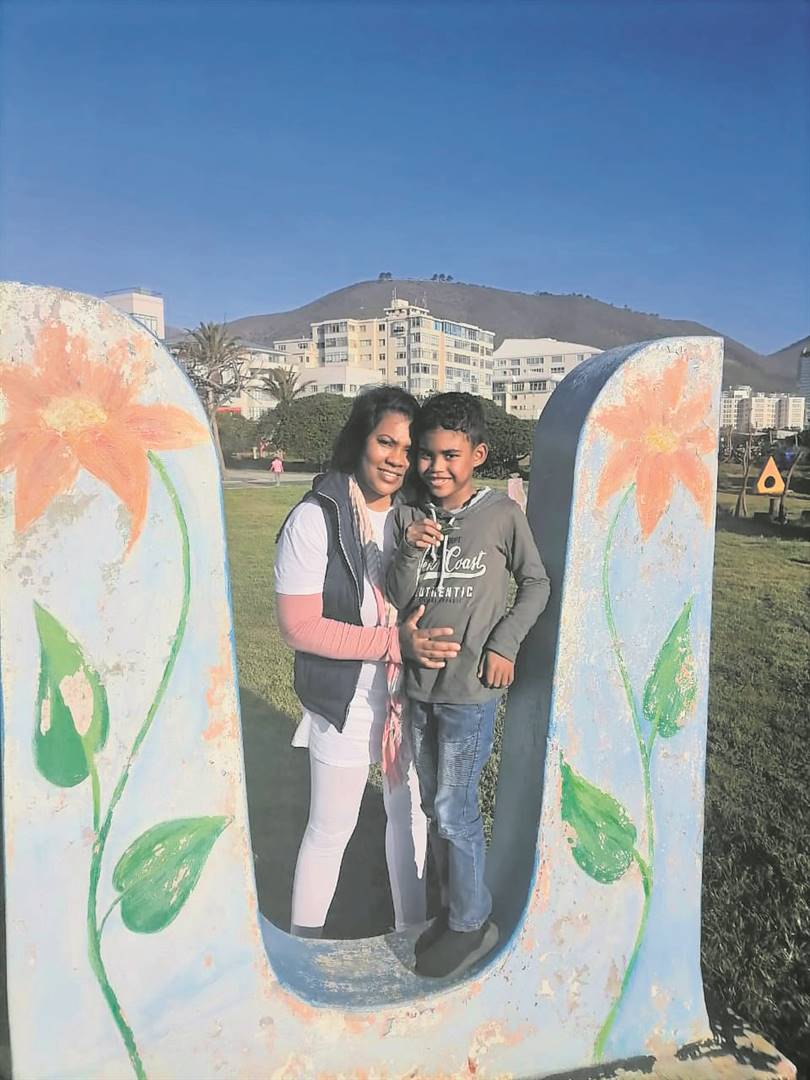
“We’ve always fought for a bigger space,” said founder Nicollette Ripepi, a single mother whose son Tyler was diagnosed with autism at age two.
“This organisation has grown with him and his need for a place where he is not excluded or discriminated against because of a diagnosis,” said operations manager Moeneeb Gilbert.
Ripepi’s journey began in 2007 when Tyler was diagnosed. By 2013 she had opened the early learning centre. Over the years, Autism Connect expanded into a second premises in Crete Street, adding programmes that prepare children for school placement and later, vocational training.
“As Tyler grew, so did the organisation,” said Gilbert adding that Tyler will be turning 21 this year. “The community has been with us for 12 years. Nicolette’s fight has been to secure land, and now we finally have a site where we can build a state-of-the-art campus for early learning, skills development and life coaching.”
Recent milestones
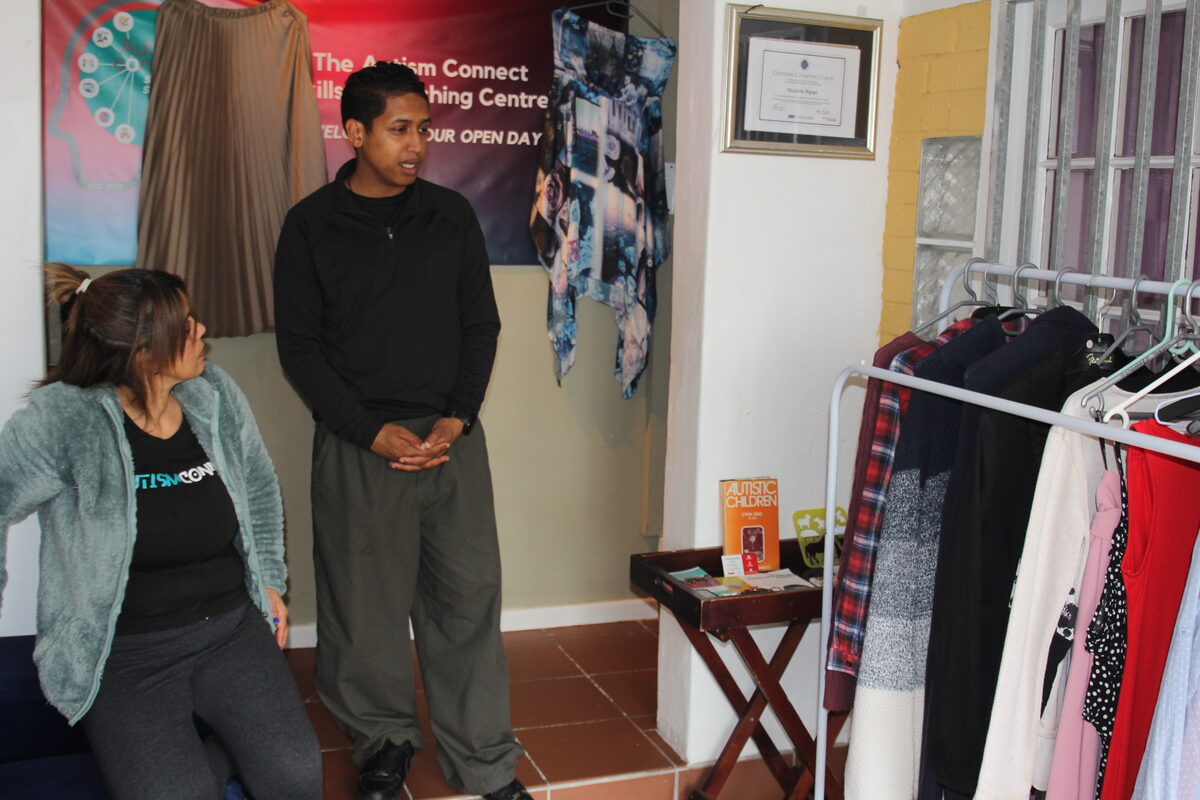
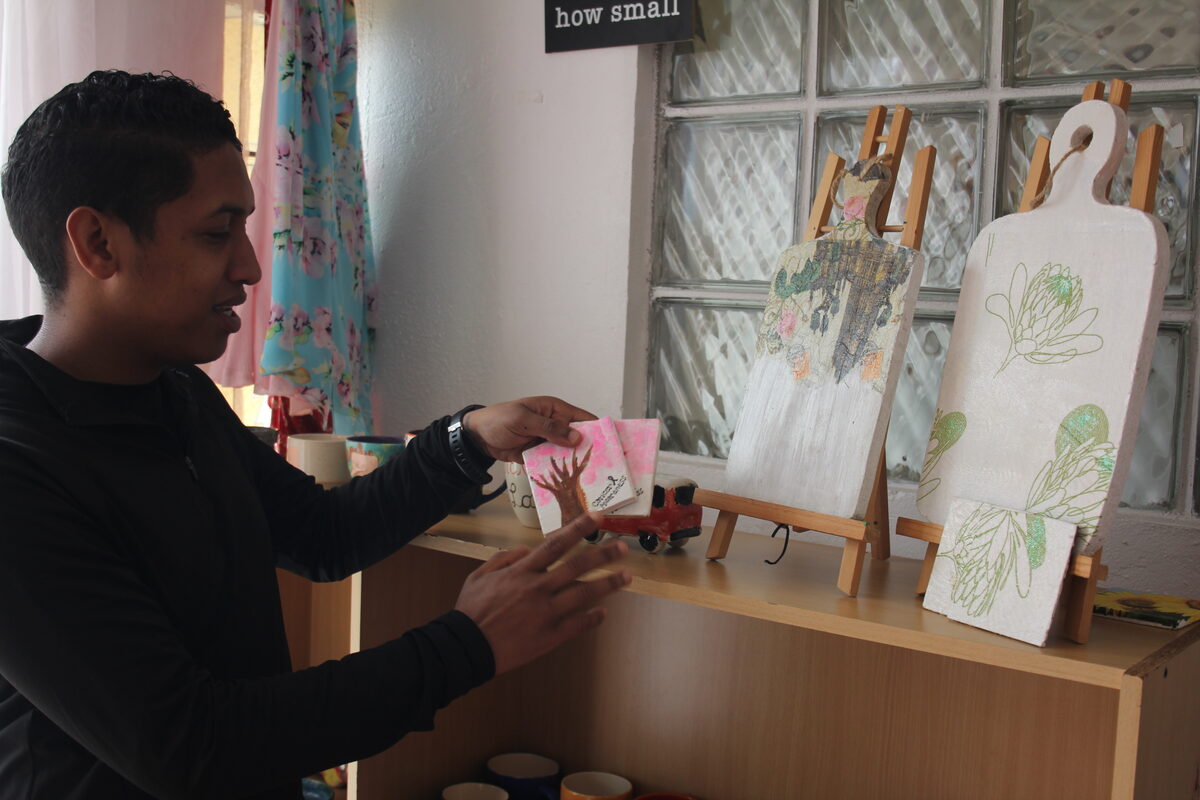
The past year has brought a series of breakthroughs. The NPO acquired its long-awaited Westridge property, were given a new vehicle, and opened a thrift shop in Crete Street, Strandfontein. The shop serves a dual purpose: generating income and providing young adults with autism the chance to learn basic retail skills.
Ripepi has also launched a parallel service as an autism-specific cognitive and life coach, a role she hopes will help parents navigate the unique challenges of raising neurodivergent children into adulthood.
But with every success, new needs emerge.
“The demand has grown,” said Ripepi. “Families are calling from all over; Durbanville, Kuils River, Langa, even Durban and Port Elizabeth; asking us to open centres in their areas.”
The Westridge campus will be designed as a multi-faceted hub. Alongside the early learning and skills centres, there are plans for a coffee shop, a library, and workshops for activities such as woodworking, cooking and basic skills, all of which currently operate from the Crete Street centre.
Gilbert explained the philosophy: “A lot of our autistic clients’ goals come from their parents. We want to expose them to different experiences; whether it’s crocheting, woodworking or academics; and see what they’re drawn to. Because many are non-speaking, they can’t always tell us directly what they enjoy. We give them opportunities, and from there we discover their interests.”
The centre has already seen success stories. One young man, who requires minimal instruction, has learned to cook, iron and garden. Others thrive socially, like the organisation’s only female client, described by Gilbert as a “princess and social butterfly” who loves showing off her jewellery despite needing mobility support.
“Autism is always accompanied by a friend,” Gilbert added. “It can come with epilepsy, cerebral palsy, ADHD or mobility issues. That’s why we emphasise individualised support. Yes, they are autistic, but they are also young adults with their own desires and personalities.”
Looking ahead
The growing demand has prompted Autism Connect to consider long-term expansion through mobile and satellite centres across South Africa, without duplicating the work of Autism South Africa.
“It’s always been part of our strategic plan to have satellite centres nationally,” said Ripepi. “But we’re also looking at the next stage, which is residential facilities.”
Parents of autistic adults often face heart-wrenching dilemmas, especially as their children reach their mid-twenties. Many require extensive support, and families struggle to find or afford permanent placements. Government facilities are limited and often only offer temporary stays.
“God forbid. I’m a single parent, what happens to Tyler if I am no longer there? That is something that all our parents are fearful of,” said Ripepi.
Autism Connect envisions a residential facility that will serve as both respite care and a permanent home for autistic adults who cannot live independently, particularly when parents are ageing or have passed away.
Despite its recent strides, Autism Connect remains heavily reliant on community support. The thrift shop, which is open on Tuesday, Thursday and Saturday mornings, always needs donations. The organisation is also working on launching a barista training programme.
Ripepi’s work as a cognitive and life coach adds another dimension, equipping parents with tools to navigate everything from early interventions to adult transitions.
“I get enquiries all the time,” she said. “This is to help parents see what life can look like for our autistic children and adults.”
For more information, join Autism Connect’s WhatsApp channel on 072 151 3419.