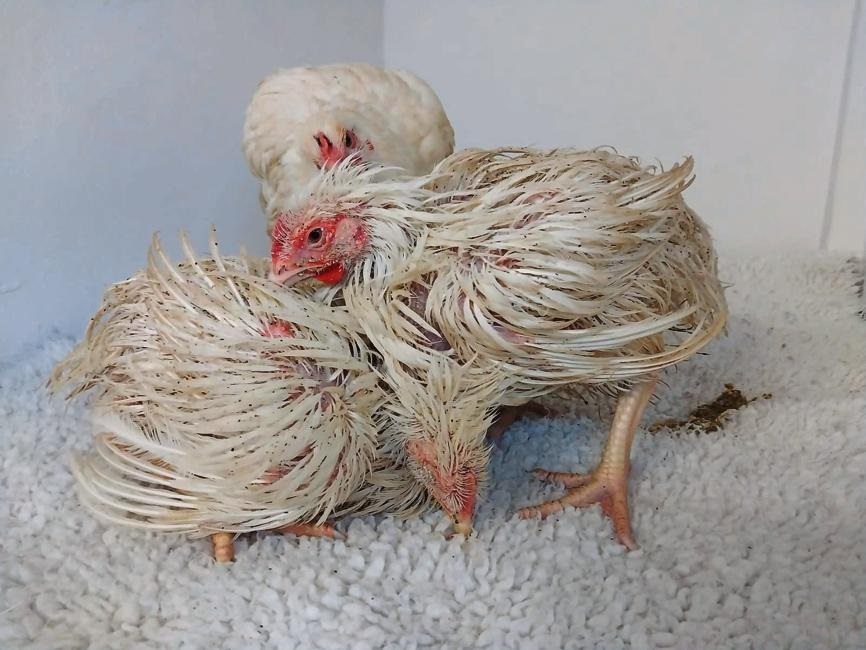


A dark cloud of mystery is hovering over beaches in the city as more dead animals are washing ashore – the recent being a dead chicken found with its feet bound with plastic on Melkbosstrand beach last week.
TygerBurger reported for the past two weeks of non-aquatic animals found on the shorelines of beaches in Milnerton and Bloubergstrand.
ALSO READ | Red flag raised as more dead non-aquatic animals mysteriously wash ashore on Cape Town’s beaches
The mystery is leading to “animal trafficking” and “animal rituals”.
According to the Cape of Goodhope SPCA there are several theories going around to explain the unusual appearance of dead animals on beaches.
“Certainly we are investigating them all,” the SPCA says.
The SPCA regards all reports of dead wildlife or domestic animals washing ashore as part of an ongoing investigation into the animals’ origins, their cause of death and, ultimately what lead to them appearing on the shorelines.
First animals to wash ashore
The first discovery was made at Sunset Beach by surfer Alex Aitkenhead where he came across a washed up aardvark (ant bear) earlier last month.
Widely circulated photos of a washed up porcupine, a turtle tied with a rope to its shell and the recent being a dead chicken found with both its feet bound with plastic, sparked an outcry from the public.
The SPCA says an aardvark is a seldom seen animal in the province.
Although there is a small population living on the city’s outskirts, you would count yourself very lucky to see one as they are mostly shy nocturnal animals.
READ | ‘Keep distance from sea animals’: Seal attacks linked to Domoic acid poisoning
The aardvark, an adult female, was in otherwise good condition, with no signs of external trauma that might have indicated how she came to be floating in the sea.
“Examining her heart, he noticed conditions that would indicate that she had suffered from heart failure and some fluid on the lungs would indicate shock lung; which is a state most often caused by suffocation (such as being kept in a box with no ventilation might induce).
“The conclusion is that the aardvark wasalready dead by the time it went into the water, either having been dumped overboard a ship close to shore or was somehow put into the sea from land,” the SPCA says.
The mystery
According to the SPCA, the leading theory points to these animals being used as part of a ritualistic ceremony (rooted in traditional rites or more commonly “witchcraft”.)
“We are however not ruling out the possibility that these animals originated on board a sea vessel,” the SPCA says.
Beachgoers and environmentalists claim that illegal ships are behind the animals washing ashore.
“It’s poached animals that have been smuggled on ships that have been dumped overboard,” one claims.
Residents in the area say these “rituals” are inhumane and should be thoroughly investigated.
The SPCA says these cases remain “unexplained” until they have conclusive proof to corroborate their leading theories.
“Only once we have this body of evidence will we be able to issue a statement and proceed accordingly within the precepts of the law.”
Ask for help
The SPCA says any deceased animal (whether domestic or wild animal), discovered on a public beach should be reported to your nearest SPCA or City of Cape Town law enforcement personnel immediately.
“We encourage the finder to take photographs or video footage of the animal exactly as it appears. Resist the urge to touch, pick up or ‘pose’ with the dead animal.”
Children should also be kept away from the the carcas.
“Dogs should be leashed and not allowed to disturb the carcass. Any animal reported to the SPCA as deceased will be collected by us and preserved. We will conduct and document an autopsy on the animal to try and learn as much as we can about its circumstance prior to it dying. We will consult with a range of authorities, conservation bodies and specialist veterinarians on the case, document it all and investigate further.”
- The SPCA urges the public to contact them at 021 700 4158/9 with any concrete leads they may have and to report animal cruelty. Their emergency number after hours is 083 326 1604.