
A further increase in the fuel price projected for April will have a significant impact on everyone globally and here in South Africa — a consequence of the current tensions in the Middle East between the United States of America (US), Israel, Iran, and Lebanon.
Earlier this month the Minister of Mineral and Petroleum Resources, Gwede Mantashe, announced an adjustment in the fuel price which came into effect on Wednesday 4 March. This increase, Mantashe said, was based on current local and international factors.
The main reasons for the fuel price increase earlier was attributed to crude oil prices; international petroleum product prices; the rand/dollar exchange rate; implementation of the Slate levy, and the maximum refinery gate price for LP Gas that is imported through the Port of Saldanha Bay in the Western Cape.
Petrol 93 and 95 (ULP and LRP) increased by 20 cents per litre, and diesel between 62 cents and 65 cents per litre.
In April, South Africans may have to brace themselves for a further increase – one more significant than the previous. According to some media reports, petrol is projected to increase to about R24,41 per litre, while diesel might increase to R26 per litre. Data from the Central Energy Fund suggest a price hike of as much as R4,74 per litre, some news organisations report.
Automobile Association (AA)
According to the Automobile Association (AA) of South Africa the current fuel price sits at R20,19 (Petrol Unleaded 93) and R20,30 (Petrol Unleaded 95) inland as of 4 March, on at R19,40 (Petrol Unleaded 93) and R19,47 (Petrol Unleadded 95) along the coast.
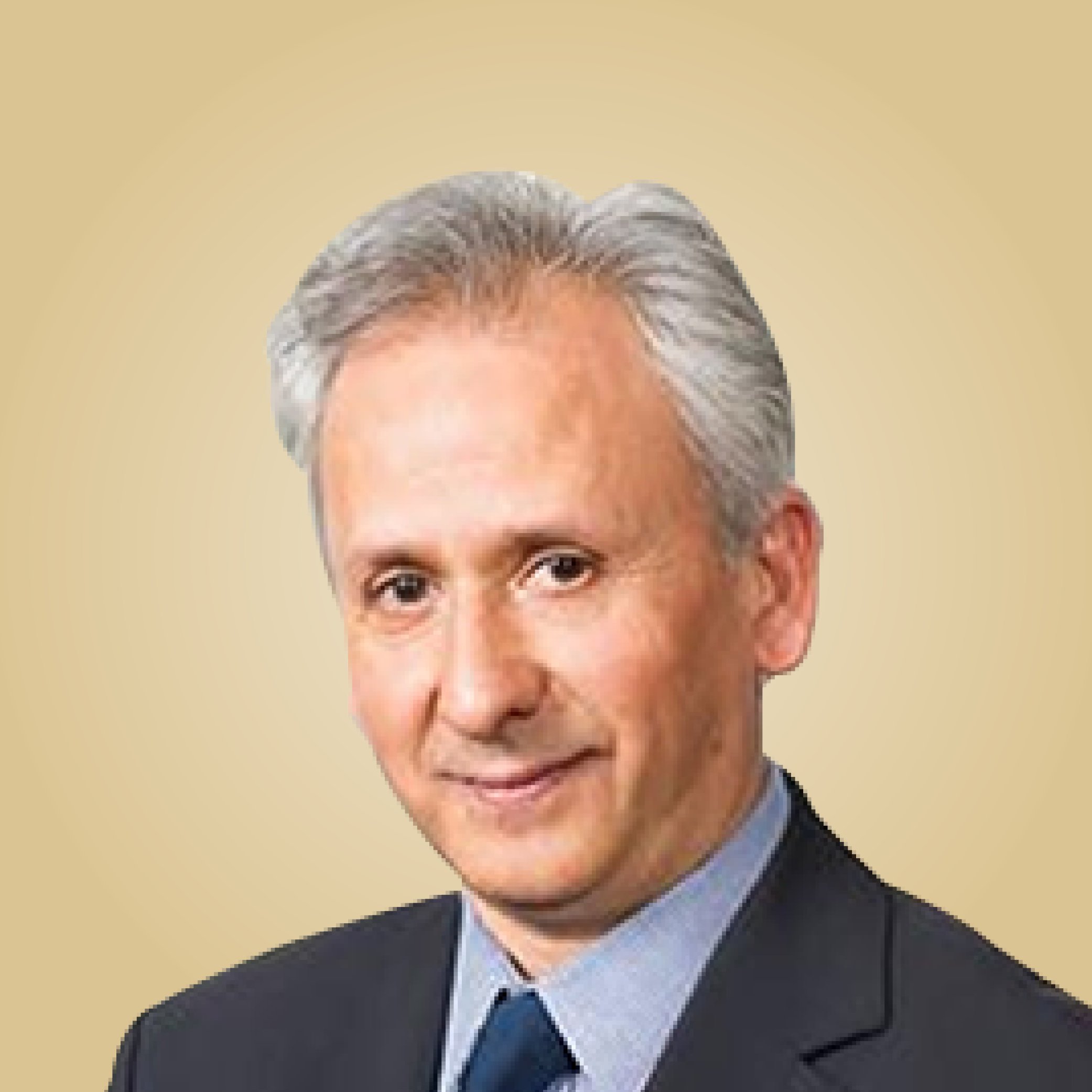
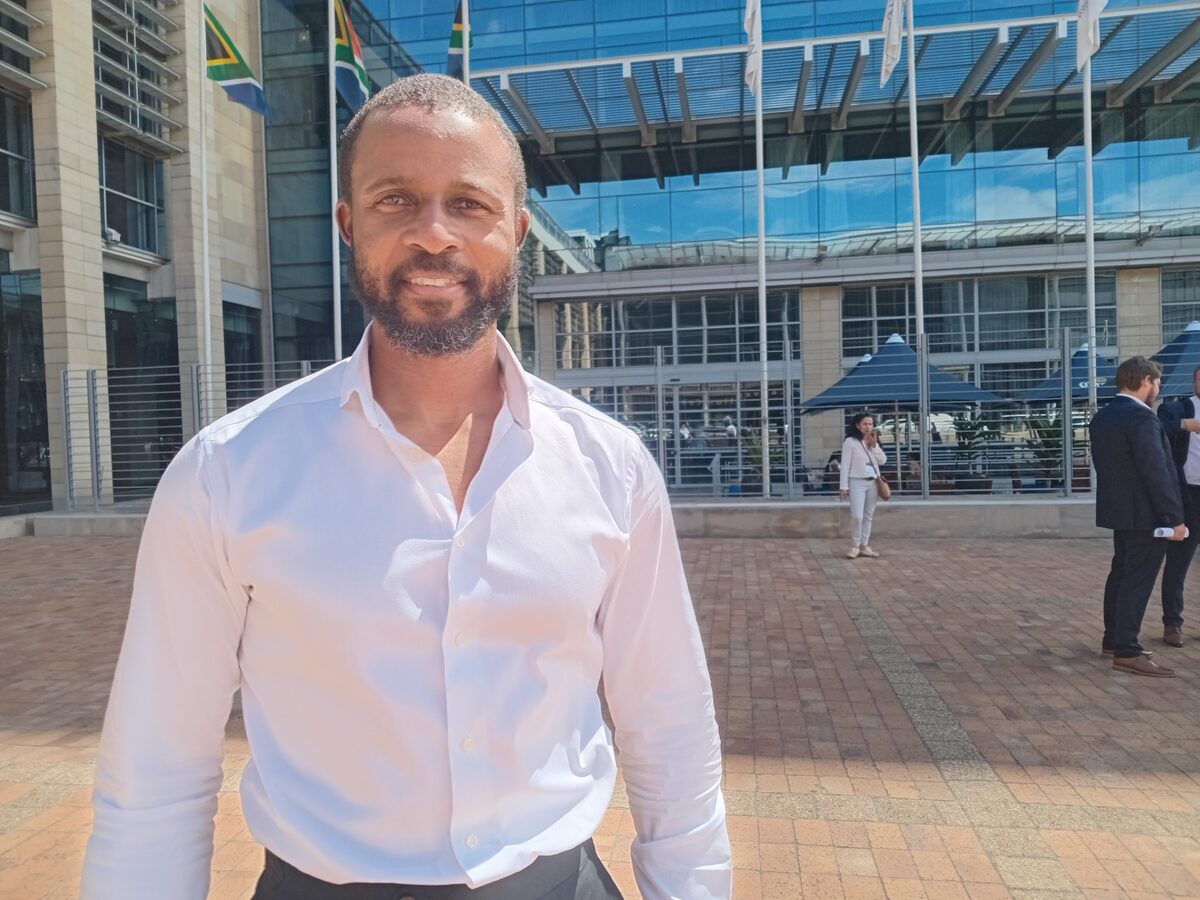
Bobby Ramagwede, AA chief executive (CEO),“recently spoke to TygerBurger about the topic of the recent fuel increase, and intended further increase in fuel prices. He explained how government should be more transparent when implementing these increases, and what the increases should actually be used for.
“The increase in the general fuel levy was a little disappointing to see, the argument was inflation, yet we have been in a pretty deflationary environment over the past few quarters. So I did not quite understand what the rationale was, but that said, I am not vehemently opposed to the general fuel levy,” he said.
Lack of transparency
Ramagwede said his concern, however, with the fuel levy is that there is zero transparency behind it.
“It is collected as a general tax and does not get allocated to anything mobility related. No bearing or no indication of how much of that fuel levy is used to improve the infrastructure, to improve road safety, to offset the effects of expensive vehicles in the country.
“It sort of leans into my theory about the rail network, trucks and fuel. I often expressed this theory in a series of questions, the questions are, what do trucks run on? Diesel, and diesel is fuel. Now, if we were to overnight miraculously repair and rebuild our rail network, what would the result be? You would have fewer trucks on the road, fewer trucks on the road would mean less fuel is being bought. If less fuel is being bought, then less fuel levy is being collected.
“So is there really an incentive for the government to rebuild the rail network, knowing very well, that the more trucks that they encourage to be on the road, the more fuel levy they collect. And this is the same fuel levy that gets increased with no real science behind it,” Ramagwede said.
He added: “Your minister of finance said an inflationary adjustment. Now an inflationary adjustment does not mean that he is increasing it by inflation, which inflation marker is he using – Q1, Q2, annual? There is no transparency behind it, it is just an inflationary adjustment.”
Ramagwede was appointed CEO of the AA on 1 October 2024. Before completing his MBA, he graduated with a BCom in Economics and Statistics, and a BCom Honours in Economics from the University of Pretoria.
The AA, with its head offices in Hyperion Road, Barbeque Downs in Kyalami, celebrated its 95th anniversary last year.