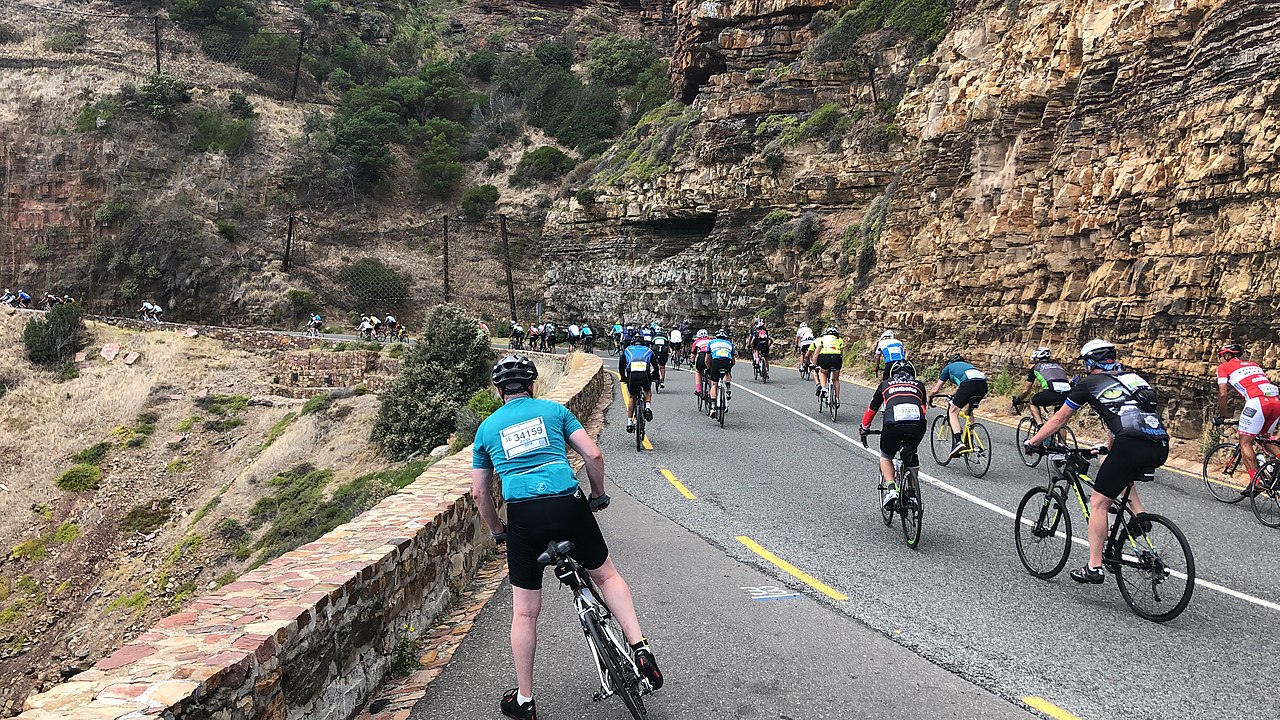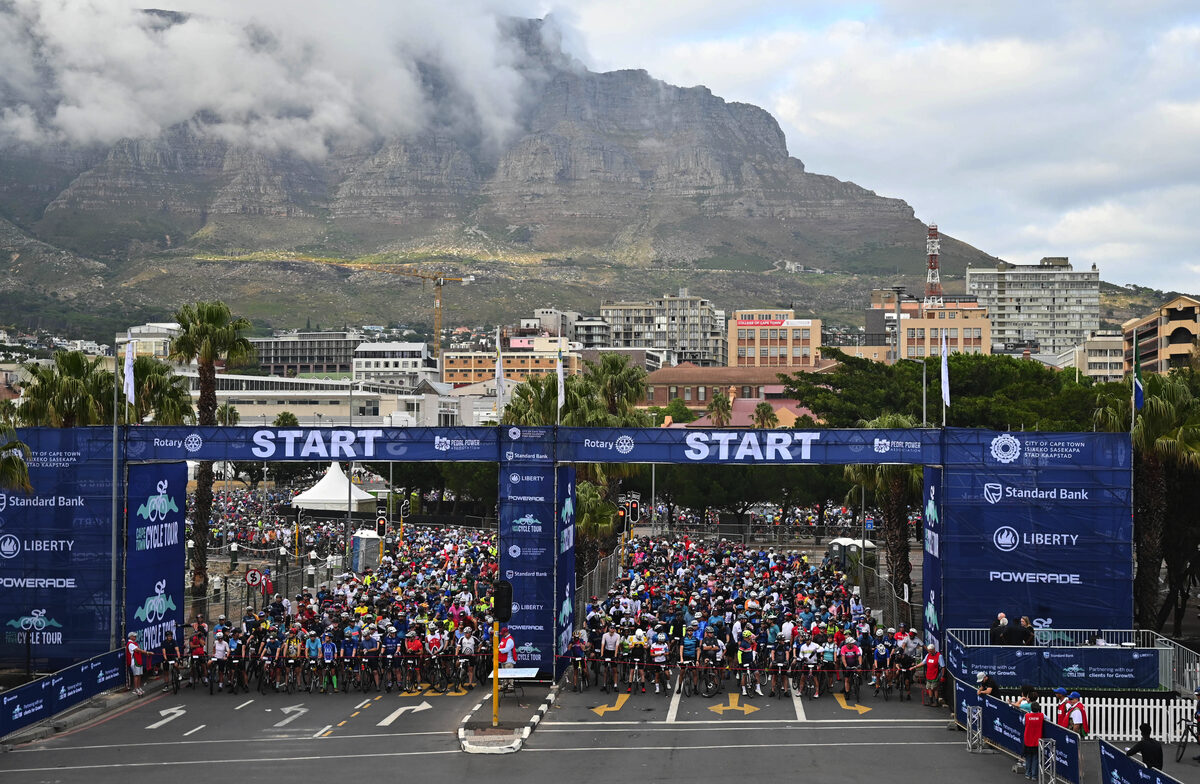

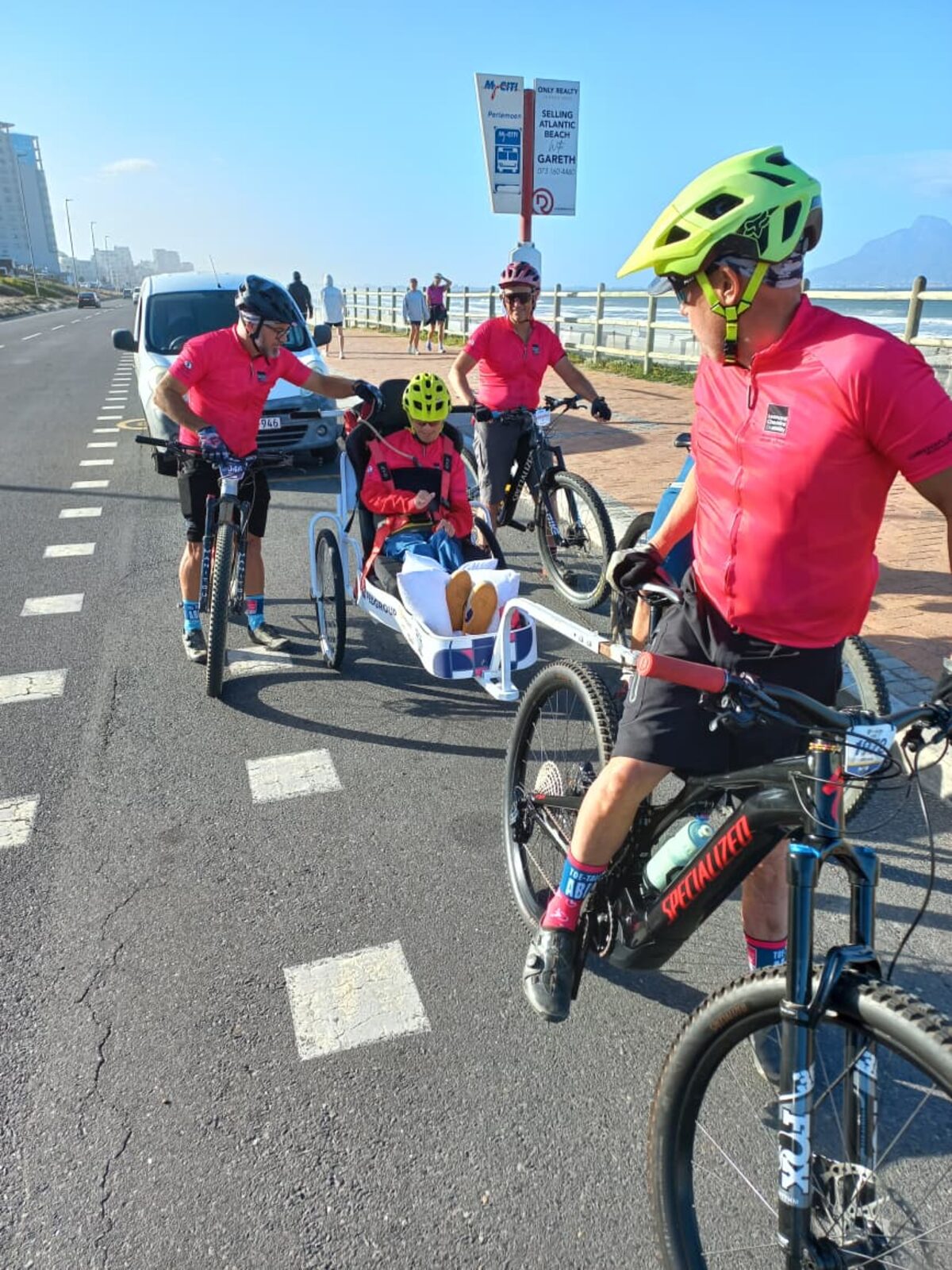
When Jeff Kao lines up at the start of the 109km Cape Town Cycle Tour on 8 March, he won’t be watching from the sidelines — he’ll be part of the action.
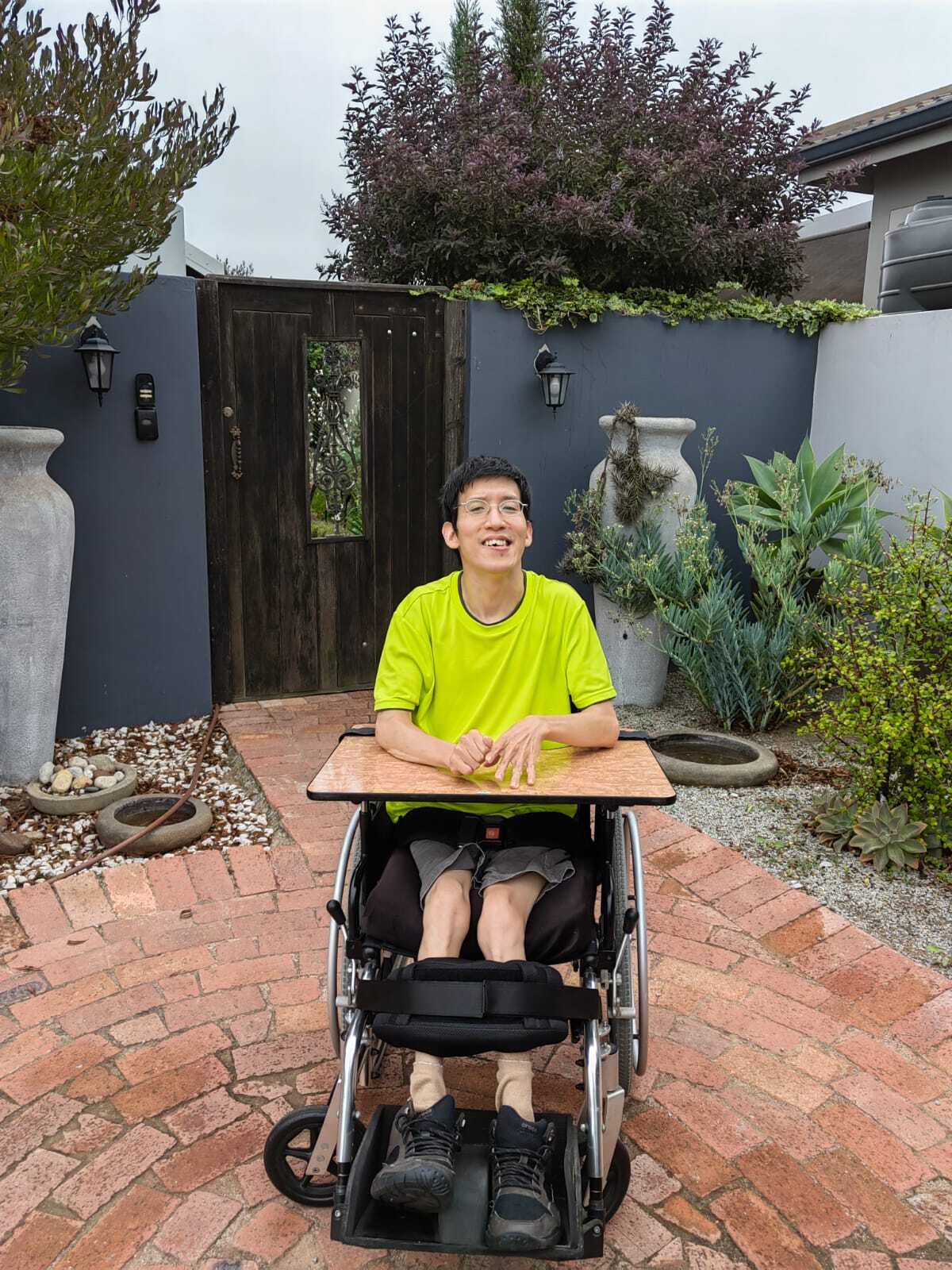
Jeff, a resident living with cerebral palsy at Eric Miles Cheshire Home, will experience the iconic peninsula route from the seat of a specially-adapted buggy, towed by a dedicated team of cyclists. His participation marks a powerful moment of visibility and inclusion — not only for himself, but for people living with disabilities across South Africa.
A first-of-its-kind experience
When Jeff was invited to take part in the initiative, his reaction was immediate.
“When I first heard about my participation in the Cape Town Cycle Tour I was super excited and super grateful as a person with a physical disability to participate in such a wonderful initiative to create disability awareness — to raise our voices for people with physical disabilities and disabilities in general,” he said.
Taking on the full 109km route is no small feat. For Jeff, it represents more than just a race.
“For me personally, participating in a 109km cycle tour event will be a magnificent experience and a once-in-a-lifetime milestone that I will remember for the rest of my life. I never imagined what it would be like, so I really look forward to it — and I’ll be bragging to my friends and family for a long time!”
Inclusion in action
The initiative is led by Cheshire Homes South Africa (CHSA), a network of 16 residential Homes providing specialised care and support to physically disabled adults and children nationwide. All the Homes are registered NPOs and rely heavily on donations and fundraising to maintain high standards of care that enhance residents’ physical, mental and social wellbeing.
For CHSA, inclusion is not just a concept — it is something that must be lived out through meaningful participation.
ALSO READ: WATCH | Eccentric cyclist sells baby bunnies on cobbled-together bike
A nine-member cycling team will complete the full 109km route while pulling Jeff in the adapted buggy, demonstrating that people with disabilities are active participants in society.
CHSA’s CEO, Etienne Schlechter, will be among the cyclists taking on the demanding route, reinforcing the organisation’s belief that leadership in the disability sector must be visible, practical and action-driven.
Everyday inclusion at home
Jeff says inclusion is already part of daily life at Eric Miles Cheshire Home.
“The cycle tour highlights visibility and inclusion. I already experience daily inclusion at EMCH. Although we are adults with physical disabilities, we also have our own voices and as much capability as persons with able bodies. We are not infantilised and we complete our daily activities very much the same as others in society.”
He believes initiatives like this should be the norm rather than the exception.
“This cycle tour is one of those examples where a person with physical disabilities is included — and life should be like this for others with physical disabilities as well.”
Seeing the peninsula differently
One of the aspects Jeff is most excited about is experiencing the peninsula from a completely new vantage point.
“I’ve never seen the entire peninsula — especially from such a perspective — ever before. It feels to me as if I were an able-bodied person completing the whole tour myself from a cyclist’s perspective by sitting in the buggy. I really appreciate the help of Etienne and his friends to make it possible for me to participate in this race. It will be unbelievably unforgettable for the rest of my life.”
A message to South Africa
The initiative has been made possible through the generous support of William Simpson Omoda Jaecoo Tokai, whose sponsorship of the adapted buggy, rider apparel and campaign visibility ensures that full participation is possible. Funds raised through the campaign will support CHSA’s ongoing work across its network of Homes.
For Jeff, however, the biggest goal is the message it sends.
“We as people with physical disabilities can also participate. We are as much equal human beings as able-bodied persons — we also have capabilities and agency. This is not common in our community, and it gives hope. People need to know what can be done when we all get together.”
He hopes the milestone will resonate far beyond the finish line.
“I hope that this will make history — not just in South Africa but for the world to know that people with disabilities are just people, nothing less and nothing more than others.”