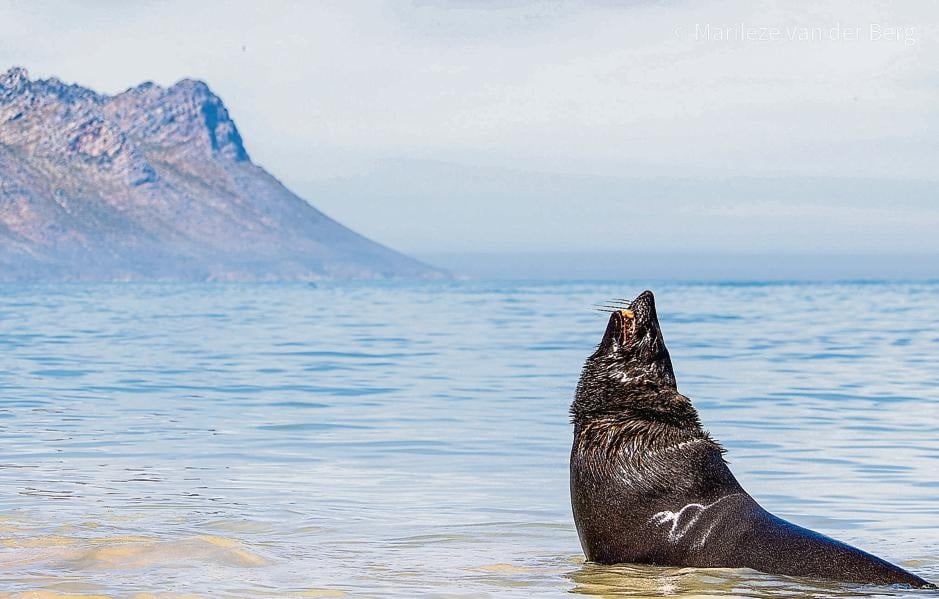

The investigation into the die-off of Cape Fur Seal pups and sub-adults on the West Coast last year has shown that the deaths were the result of a variety of factors, including malnutrition.
This is according to the provincial department of agriculture’s state veterinary laboratory that conducted post mortem examinations on pups and sub-adults following the die-off.
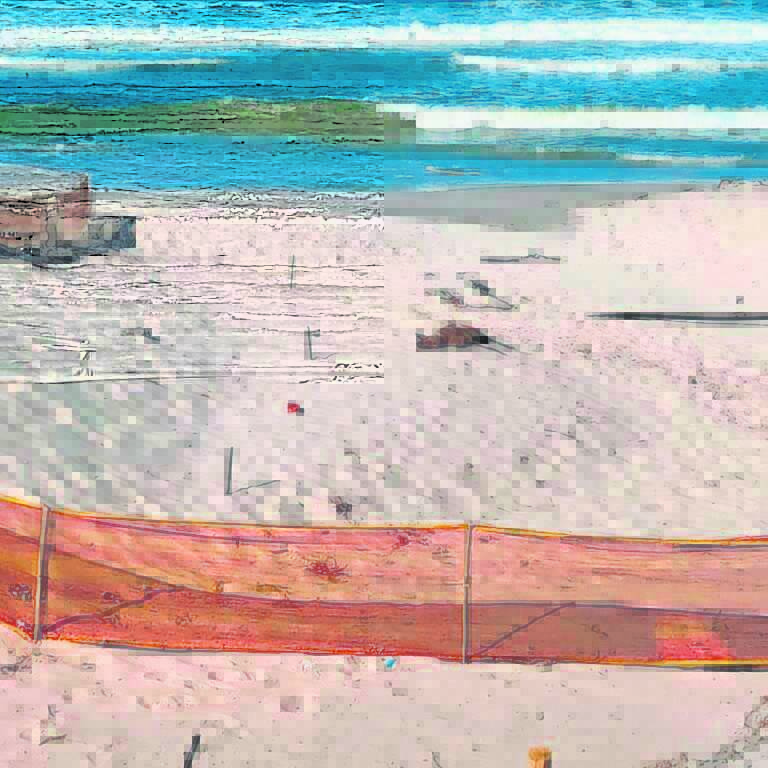
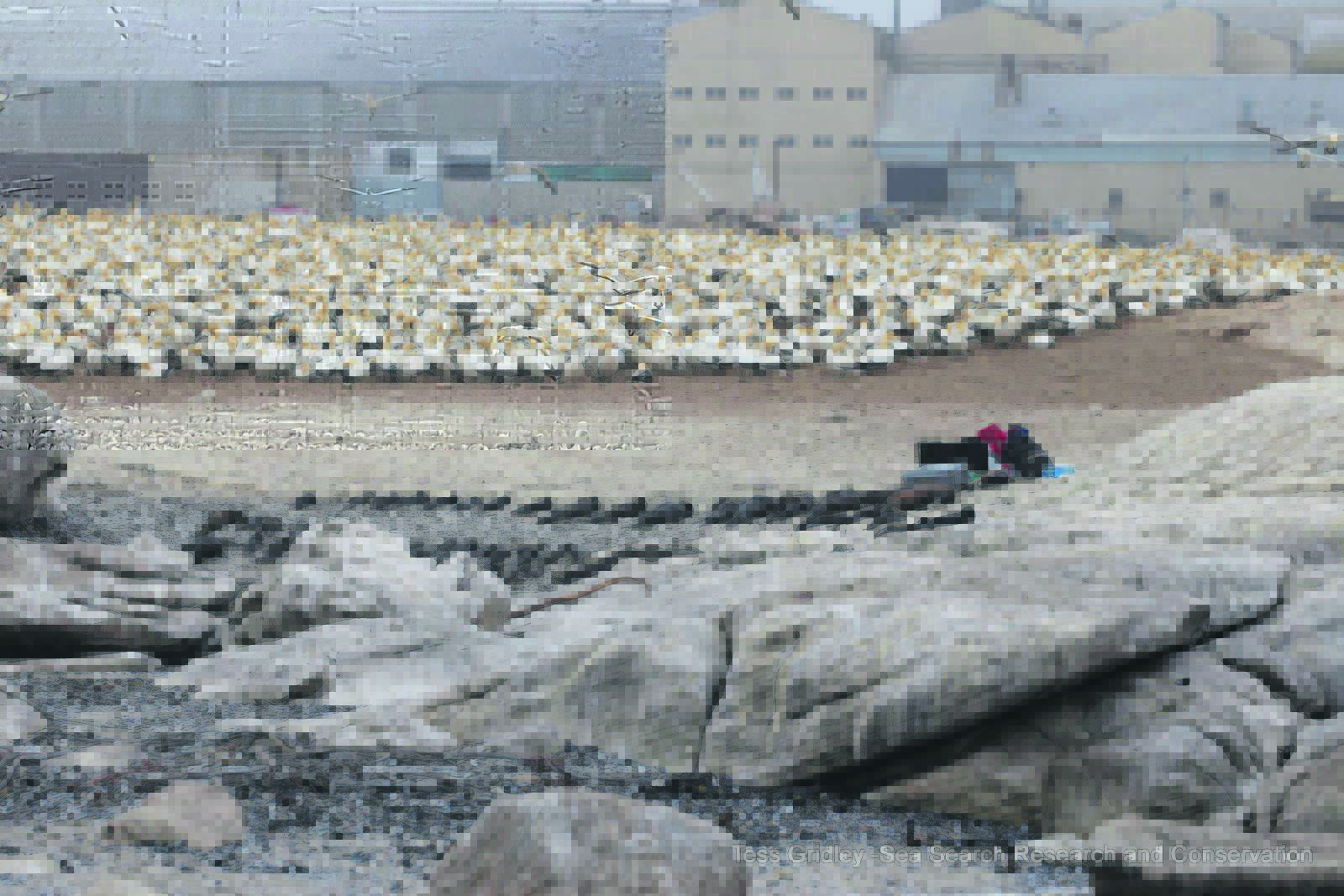
TygerBurger reported last year (“Help spot dead seals”, 17 November 2021) that hundreds of seals washed ashore along the West Coast. Marine biologists from Sea Search and a range of non-government organisations called on the public to help report sightings of dead seals.
The Department of Forestry, Fisheries and the Environment’s (DFFE) examinations found evidence of moderate to severe malnutrition, which led to the poor body condition of the mammals.
“Clinical signs, including convulsions seen in the video footage received, suggest possible biotoxin poisoning. As a result, extensive testing for significant parasites and viruses, including distemper, as well as bacterial infections were conducted on all carcasses. The results have proven either negative, or insignificant. All results for biotoxins were also negative,” the DFFE says in a recent statement.
Because of the neurological signs witnessed, similar tests will be conducted on adult carcasses as part of a more thorough, well-rounded investigation by the state vet.
The DFFE in collaboration with the Society for Prevention of Cruelty to Animals (SPCA) had requested the provincial department of agriculture’s state veterinary laboratory to conduct post-mortem examinations after a large number of the Cape Fur Seals had died in the Eland’s Bay area of the West Coast in September 2021.
The die-off coincided with the period when seals prepare for their breeding season and colonies see an influx of mature individuals.
Adverse weather, such as strong winds and storms, in September and October had previously resulted in large numbers of pups washing up dead or emaciated on beaches adjacent to breeding colonies.
The Berg River, Cape Town, Elands Bay, Lamberts Bay and Saldanha Bay municipalities reported the number of carcases that their waste teams had disposed of.
In total, 1 633 seals were buried or removed by the municipalities between September and November 2021. Stakeholders, such as Sea Search Research and Conservation, assisted by launching a carcass reporting platform. Review of the data is still underway.
The 2021 Cape fur seal die-off is the first of its kind since a similar occurrence in 1994-’95.
“National, provincial and local government, working with agencies and partners, will continue to monitor the situation. Any carcasses found in future will be taken to the relevant provincial state veterinary laboratory for testing,” the DFFE says.
The DFFE has issued a research permit allowing for further sampling and testing.
The public is urged not to handle underweight, injured or non-responsive seals, but rather to report these to the SPCA.
“Seals can be very dangerous and can cause severe damage when they attack to protect themselves. Attempting to rehabilitate a seal on private property may lead to a fine or imprisonment,” the DFFE says.