
After dead fish were spotted at the Milnerton Lagoon recently, the City of Cape Town closed the lagoon, advising visitors to avoid contact with the water due to signs of algal bloom.
These are typically blue-green algae (Cyanobacteria) which may sometimes produce blooms that contain algal toxins. However, the City confirmed on Monday that the algae currently present in the Milnerton Lagoon are non-toxic green algae. The City’s water and sanitation directorate is still investigating the possible source(s) of this algal bloom.
The City says although there are no blue-green algae present in the lagoon, harmful algal blooms are an ongoing threat, particularly in the vlei and water bodies (including Milnerton Lagoon) which are in nutrient-rich situations and are exposed to hot weather
TygerBurger reported last week about approximately 500 dead fish found in the lagoon, consisting of juvenile mullet species, primarily Southern Mullet (Liza richardsoni), at the mouth of the Milnerton Lagoon.
The City has since initiated an investigation to determine the possible causes of the fish die-off, including an analysis of the water quality.
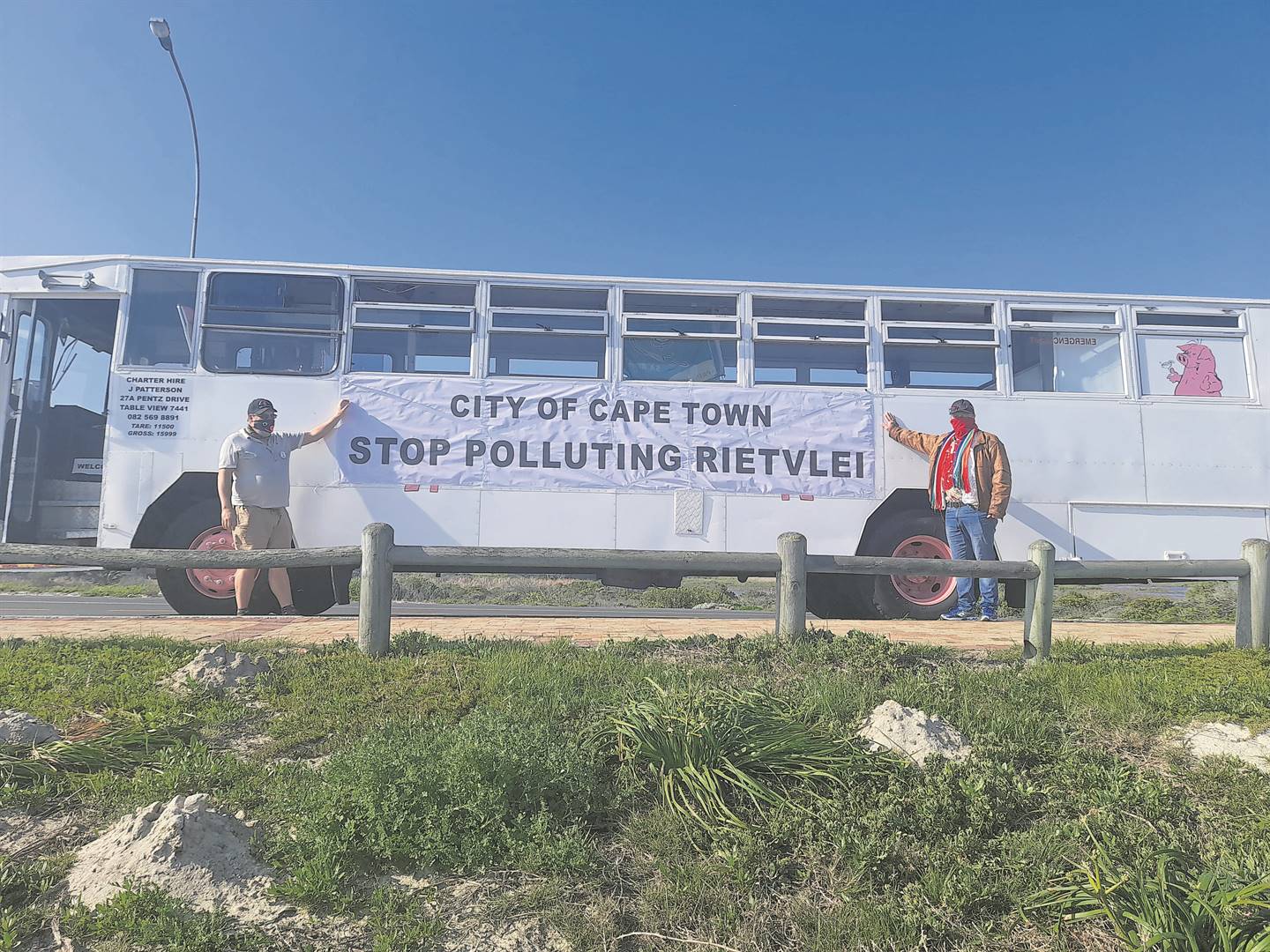
Residents and activists have warned the City for years that toxins in the Milnerton Lagoon should thoroughly be investigated.
After the signs of algal bloom, the City’s scientific services branch has conducted sample testing for algal identification, which seeks to quantify the various algal species present. The aim is to identify potential blooms of harmful algae. The concentration of algae can vary due to factors that can influence their growth, for example sunlight and warmth, availability of nutrients, reduced flows in the river and wind action, even predatory zooplankton and fish that feed on algae.
“The water and sanitation directorate investigated the water quality of the Milnerton Lagoon, and we have created a list of possible pollution sources for the catchment. The directorate is closely monitoring all pollution sources and does regular water quality sampling and physical inspections of our infrastructure. The Bulk Infrastructure Department confirms that Potsdam Waste Water Treatment Works (WWTW) is a small contributor to the problems we face with the waterway. The treatment facility achieves high compliance ratings for its treated effluent which sometimes has nutrients present in the discharge. At no point has Potsdam WWTW discharged raw effluent or had any emergency or unauthorised discharges that could have resulted in the algae bloom,” says the City’s Mayco member for water and sanitation, Zahid Badroodien.
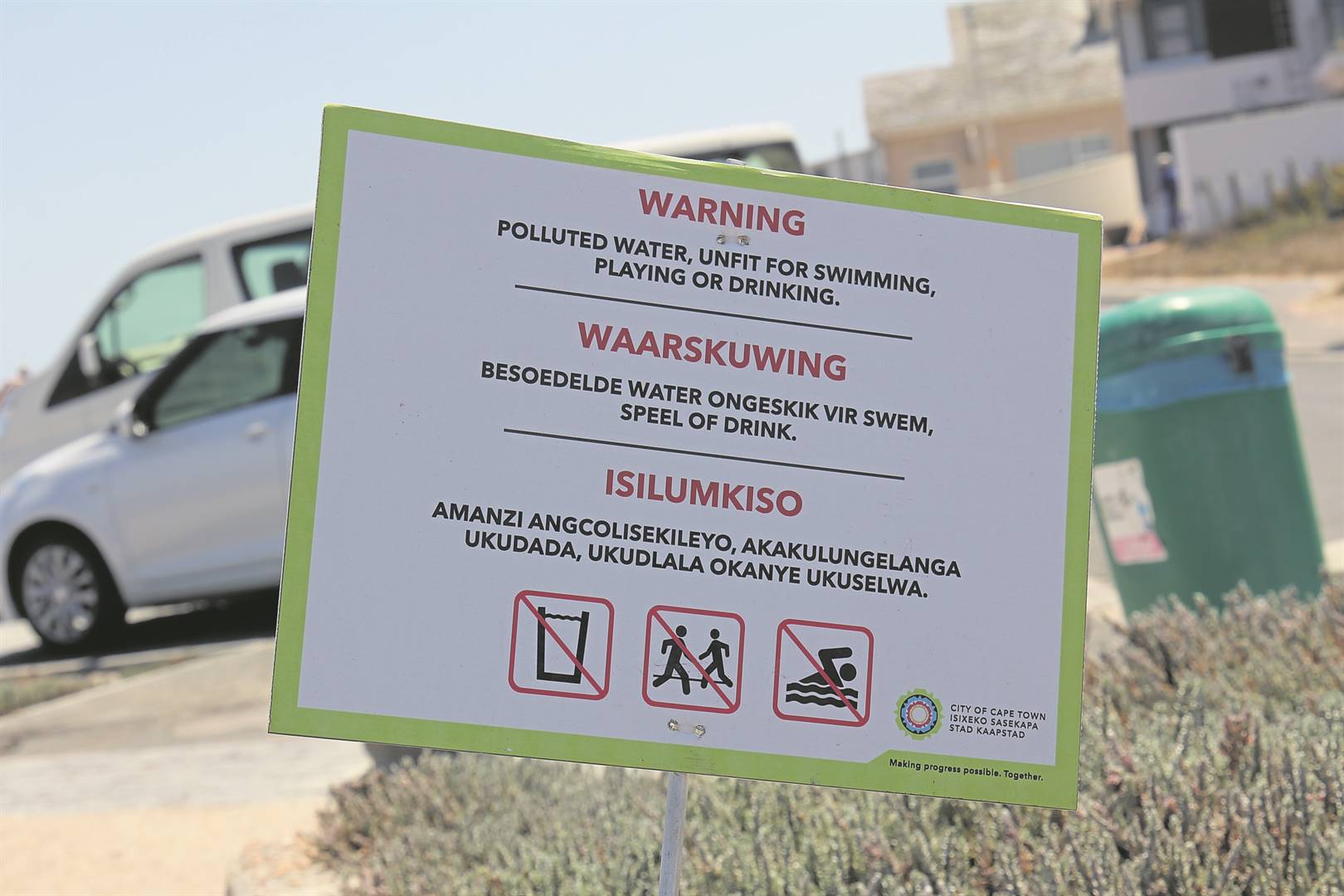
As a precautionary approach, the City will install additional warning signs to remind residents once again that the Milnerton Lagoon is closed to the public.
The Milnerton Lagoon is not suitable for recreational use and signage to inform the public as such has been in place at the lagoon for several years now.
“Due to the potential risk of a harmful algal bloom, the public is strongly discouraged from coming into contact with the water. The City will confirm whether this is a harmful bloom or not, once the results are available,” Badroodien says. He adds that at this stage, it is premature to speculate about possible causes.
The City’s biodiversity management continuously monitor the lagoon to see if it has an impact on wildlife and fish.