

Capetonians will have to count their pennies as new tariff increases were announced last week.
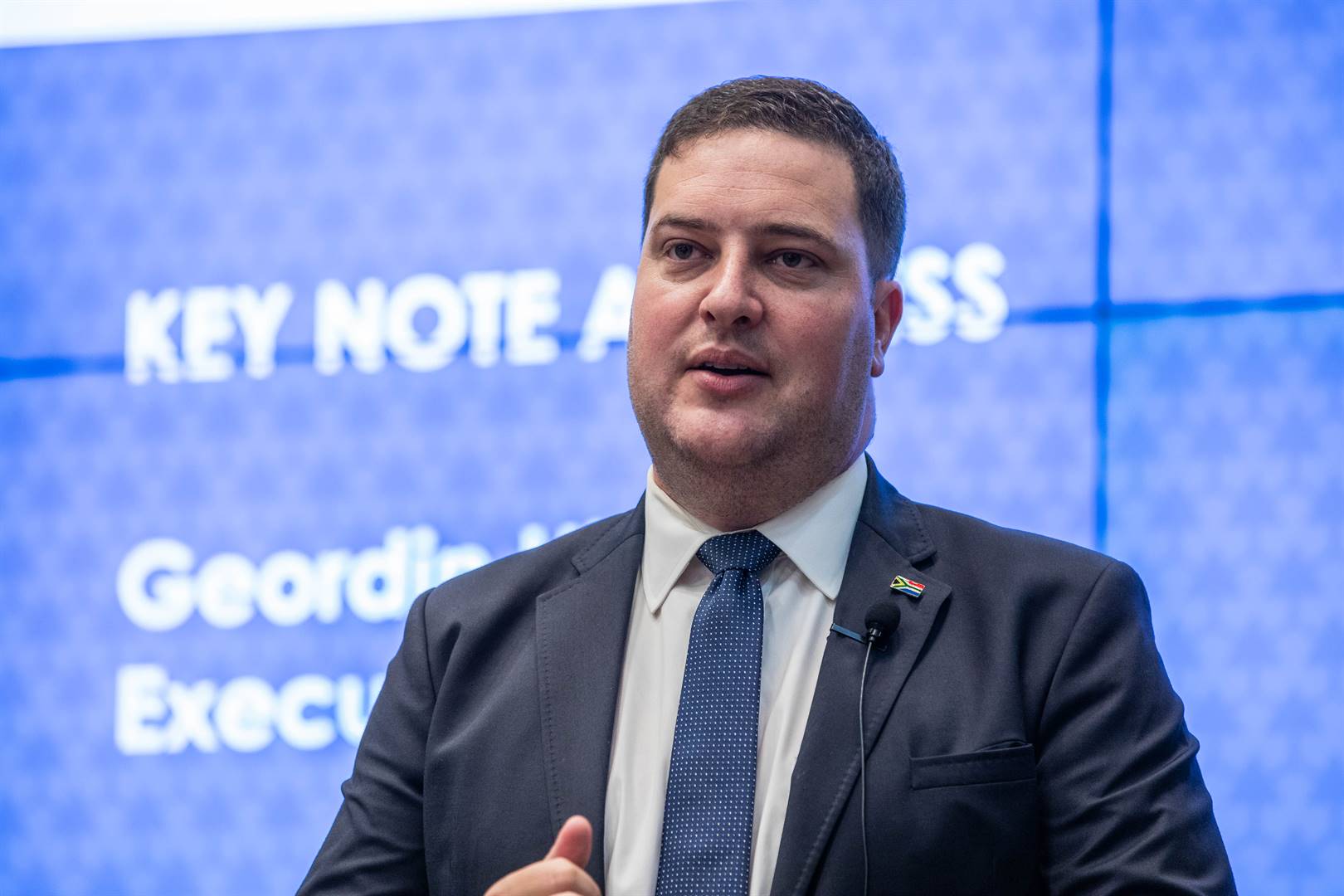
The proposed rates and tariff increases for the 2022-2023 financial year were tabled by Cape Town Mayor Geordin-Hill Lewis at the tabling of the annual budget on Thursday.
Electricity will increase by 9,5% and water and sanitation by 5%, with an additional 1,5% specifically for water access expanding to informal settlements.
Property rates will increase by 5,2% this year and refuse by 5%.
According to Hill-Lewis all of these increases are in line with or below inflation forecasts for the coming year.
“While Eskom didn’t approve the full 20,5%, they did still approve an unacceptably high 9,61% increase. We know this is unfair and unaffordable, and it upsets all of us in this government that South Africans in general and Cape Town residents in particular have to pay so much for a service that isn’t even being reliably delivered,” he says.
Hill-Lewis says the City cannot absorb the costs of Eskom’s increases.
“Electricity bulk purchases account for one quarter of our entire budget. Absorbing the costs of these increases would bankrupt the City in a year or two, and make us unable to provide every other essential residents need to live in Cape Town. Because of Eskom’s 9,61% increase, we are bound to a 9,5% increase in electricity tariffs this year — our only tariff increase that is substantially above inflation,” he says.
Founder of activist group STOP COCT Sandra Dickson says the tariff increases are higher than last year’s average inflation rate of between 4 and 5%.
“The recommendation from Treasury to municipalities was to keep increases to the bottom end of the Reserve Bank’s target inflation rate of 3-6% as the Reserve Bank is in a repo rate hiking cycle which will bring inflation down from its current highs.”
Moreover, she said National Treasury required municipalities to justify all increases over the projected inflation target band which should be the case for water, sanitation and electricity.
“The tariff and rates increases for consumers are all above the inflation-linked 4,6% for salary increases brought about by the recent wage agreement applicable to municipal workers,” she says.
According to Dickson, the proposed 9,5% increase for electricity is too high as the City’s bulk purchases for electricity make out only 60% of their costs. However, the 9,5% increase by the City hikes the entire electricity tariff. This includes maintenance, salaries and other costs to resell electricity it buys from Eskom.
The monthly municipal bill for the average middle-income household in Cape Town, she says, is not affordable anymore.
“Residents can’t keep up anymore. Year on year above inflation rate tariff increases have escalated and the effect of this is felt by households. For instance, an average household where the value of the house is say R2 million, pays on average a municipal bill of R1 500 per month and another R1 500 for electricity; that is R3 000 in total per month where an income is on average only R30 000 per month, accounting to 10% of the household income,” she says.
Dickson is also concerned about the fact that the general public will now only have 30 days to peruse a 2 554 page complex financial document without guidance to comment on it for the public participation period that ends on 3 May.
Comments can be made online at the City’s website or delivered to your nearest subcouncil office.