
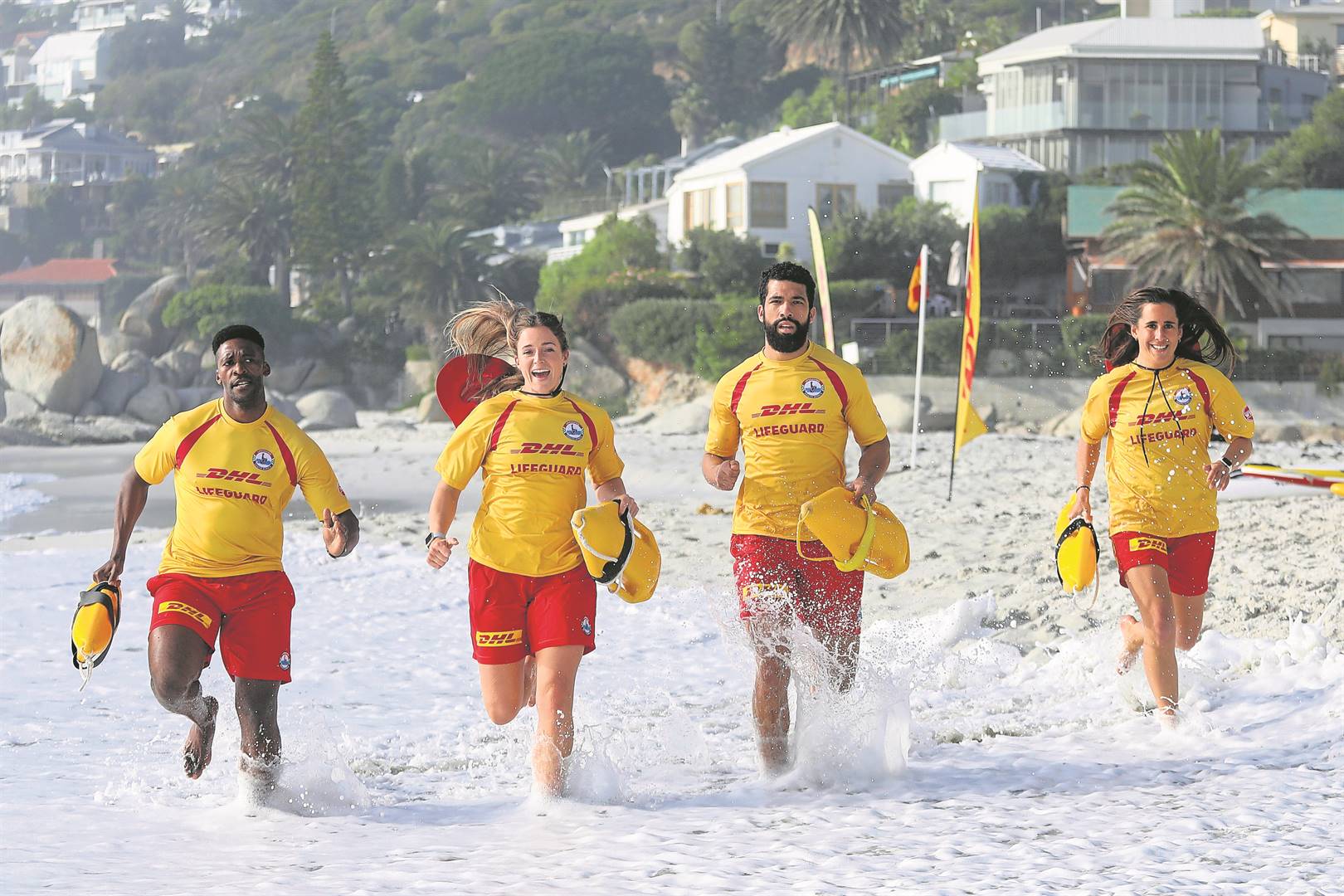
A spate of drowning incidents have been reported at beaches nationwide after lockdown regulations were lifted.
This is according to Lifesaving South Africa (LSA) which made this discovery recently, warning the public to be more cautious.
LSA says that with the complete easing of lockdown regulations, as well as the upcoming Easter holidays and long weekends in April, citizens and visitors should observe safety advice around bodies of water.
“At the outset, we extend sincere condolences to the family members of the individuals who drowned and pray that they receive the strength and support to cope with the untimely loss of a loved one,” says LSA’s director of drowning prevention, Mziwoxolo Mayedwa.
He further remarks that “with the increased incidences of heavy rains and flooding disasters, there needs to be greater care taken when driving or walking near swollen rivers and streams. Climate change patterns have caused frequent flooding incidences in some parts of the country and placed vulnerable communities at great risk. In other parts of the country that are water-scarce, there is a tendency to collect and store water in containers. Without proper covers, greater risks are posed for toddlers who could fall into these containers headfirst.”
LSA says they are calling on the government to enact legislation that could go some way in preventing drowning.
Dhaya Sewduth, president of Lifesaving SA, recommends that “legislation governing school excursions should compel organisers to notify the relevant beach offices in advance so the necessary advice and guidance on where the scholars could swim can serve as a preventative mechanism. The incident involving the drowning of two schoolboys from an inland school on a sports tour to Durban recently could have been prevented had the organisers been compelled to make prior arrangements.
“We are reminded about the unfortunate drowning of Enoch Mpianzi, the Parktown Boys High pupil who drowned on a school excursion.
“The incident could have been prevented had the necessary safety risks been taken into account and competent safety officers been on duty. As a lifesaving entity, we would like to state categorically that all school excursions that take place around water bodies must have qualified lifeguards in attendance.”
- Only swim where lifeguards are on duty and within their duty hours.
- Swim between the designated red and yellow bathing beacons and flags.
- Always obey the lifeguard’s instructions.
- Always supervise young children around water, especially around swimming pools, in the home and at bath time, and around any uncovered vessels containing water including buckets and pit latrines.
- Do not swim while under the influence of alcohol and medication.
- Empower yourself and your loved ones by learning to swim.
The National Sea Rescue Institute (NSRI) shares the same sentiments as LSA. In 2006, the NSRI started a water safety education programme.
“Our focus is on teaching people throughout South Africa to be safe in and around water, especially those who are most vulnerable, being children under 14 years. The need for water safety education is obvious if we consider the drowning statistics in our country. Rural underserved communities, in particular, are vulnerable to drownings in farm dams, rivers and streams. Without formal swimming skills people too often find themselves in trouble,” the NSRI says.
Today the NSRI has 21 full-time instructors who visit schools and clubs around the country and teach people about water-safety issues – using colourful teaching materials and a mannequin to demonstrate bystander CPR.
The lessons are designed to fit into a normal school schedule, are presented in a fun and interactive way, are age-appropriate and delivered in the mother tongue of the learners.
- For further information, please contact LSA at (031) 312 9251 (office hours), visit www.lifesaving.co.za or follow LSA on social media @LifesavingSouthAfrica.