

The City of Cape Town has been given the go-ahead by national government to start a feasibility study on taking over rail management in the city.
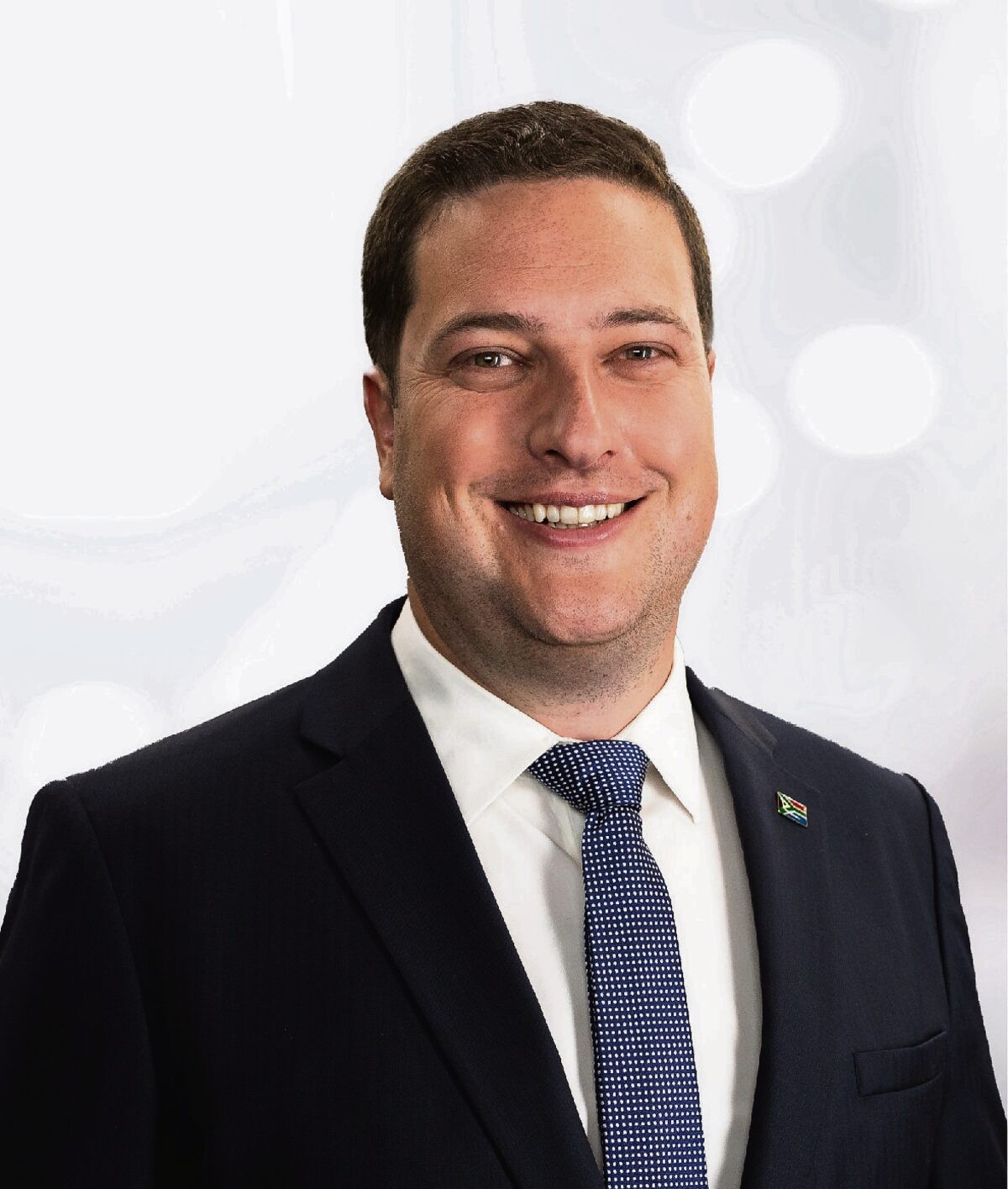
Mayor of Cape Town Geordin Hill-Lewis made the announcement at a council meeting on Thursday, saying a service provider had already been appointed to do a devolution study that will start on 1 July.
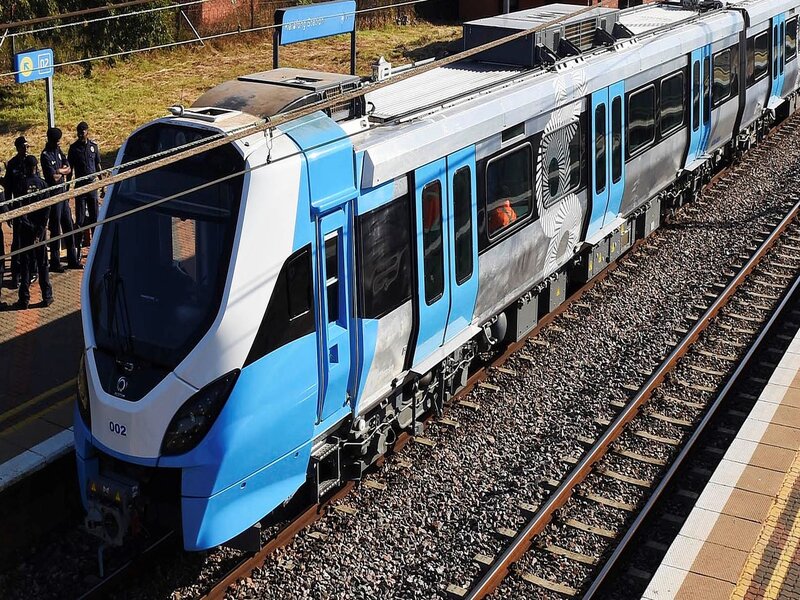
Hill-Lewis said the rail service is far past crisis point with only 33 operational train sets in Cape Town compared to the 95 trains sets in 1995.
It is furthermore estimated that over the last decade, approximately 570 000 passenger trips per day have shifted from passenger rail to road transport modes.
In February, Prasa, in a report to the Western Cape Provincial Parliament, revealed that in June 2019, it was operating 444 train trips on a weekday in Cape Town.
“In early 2020, this had dropped to 270 daily trips, and this year there are no more than 153 train trips across the city on a weekday, a 66% reduction in availability of the service.”
According to a media statement issued by the City on Friday, the feasibility study will investigate associated financial costs and risks and which functions of the passenger rail system it should take over, if any, and how to phase this takeover.
“The study will focus on an approach that is feasible, incremental, and structured. Taking over passenger rail from the national government is a huge undertaking. We must fully understand what this entails, especially when it comes to the costs as passenger rail in Cape Town has imploded to a level where it is barely functioning. The whole system, from the planning to the operations and management, will need to be overhauled so that it can be the backbone of public transport and the study will assist us in how to approach this takeover,” said Hill-Lewis.
In a further statement to the media Mayco member for urban mobility Rob Quintas said a critical component of the study is the financial viability of the City taking over passenger rail, and the City’s ability to afford and maintain the system.
“Budget allocation and subsidisation will require detailed and ongoing engagement with the national Department of Transport and the Treasury,” Quintas said.
Hill-Lewis, referring to section 156(4) of the Constitution, pointed out that if a local or regional government is able to carry out functions that the national government is failing to fulfil, then those functions should be devolved to that local or regional authority.
“It is clear that capable local governments, and not the national government, are best positioned to deliver the services needed by residents.
“We are showing what functional federalism looks like, and what can and is being done right here in this city to improve people’s lives.
“Prasa has neglected passenger rail for decades.
“A lack of investment, maintenance, vandalism and crime have led to a loss of assets, illegal occupation of rail reserves, and a collapse of most services.”
Hill-Lewis further added that early signs are very encouraging with national finance minister Enoch Godongwana endorsing the City’s policy direction in favour of devolution of the rail system.
In a letter to the City Godongwana expressed the view on behalf of the National Treasury that a study of this kind is essential and should be carried out by the City.