
Some children grow up seeing their father drink two six packs of beer every evening or their mothers drinking a bottle and a half of wine.
This becomes their reference point, their benchmark of what “normal” is.
And without intervention or other reference points, their “normal” becomes their ritual as adults.
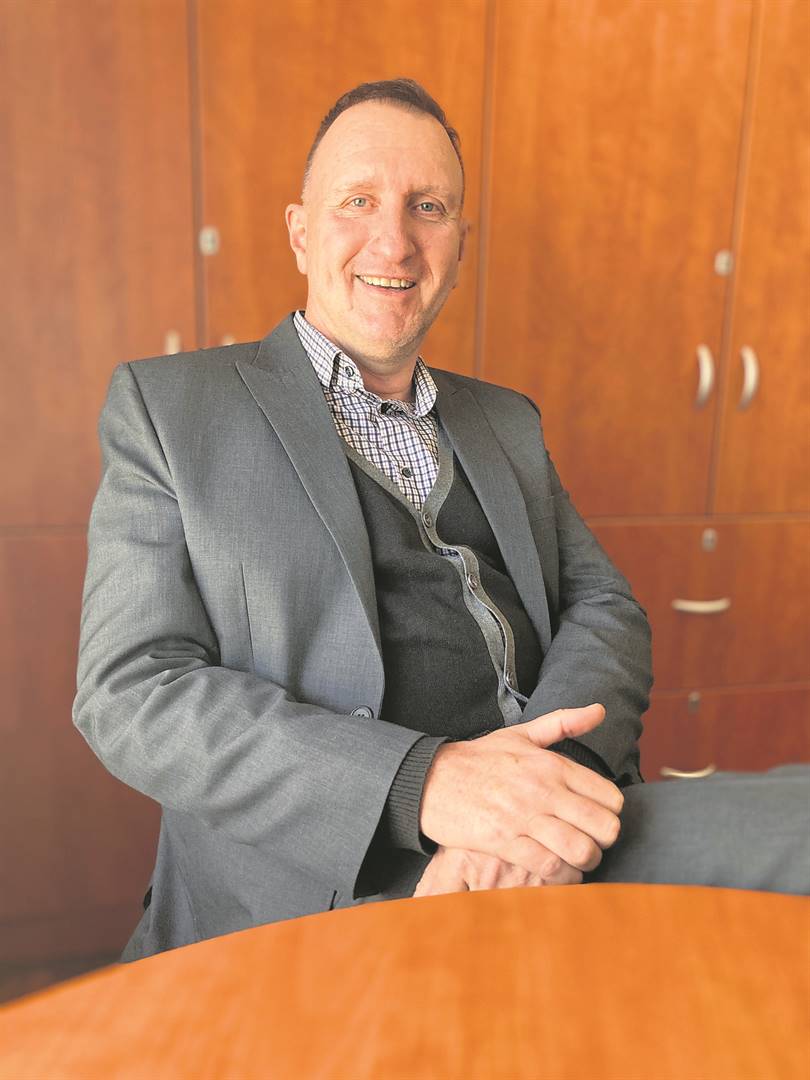
Brad Mears, the new regional head of the South African National Council on Alcoholism and Drug Dependence (SANCA) says this is the stark reality for countless South Africans today.
He would know, as both his parents were alcoholics. One died at a young age because of alcohol and the other lived the rest of their lives in denial. Fortunately for him, Mears realised their usage wasn’t normal and isn’t an addict today.
He just heads up one of the organisations with arguably the most potential to impact addicts who have no money and nowhere else to turn to.
Epidemic
Sanca, with its head office in Bellville, offers free out-patient support to addicts and their families.
Among many other services, they also offer educational talks at schools and training to professionals.
Mears hails from Kwa-Zulu Natal, where he spent years in the HIV/Aids and TB sectors.
“I have a good understanding of how we should handle epidemics. And we have an epidemic of drug and alcohol abuse.”
This issue is something that affects all South Africans, regardless of their alcohol and drug habits. Alcohol abuse, for one, is linked to a higher rate of gender-based violence. Road users are paying a levy on fuel to fund the Road Accident Fund, which has an immense load of cases stemming from alcohol abuse
Anesthetic
Ordinary non-addicted South Africans have no idea how reliant they are on alcohol, Mears says. “If you could be a fly on the wall on these Whatsapp groups and how people struggled when there was a ban on the sale of alcohol during Covid 19 lockdown, you realise how we rely on alcohol”.
In fact, he often wonders to what extent society uses drugs and alcohol to anaesthetise the realities of life. “I don’t have a job, I don’t have a full stomach, I can’t find economic opportunities, I’m uneducated. Somehow the harshness of that reality is softened through the abuse of alcohol.”
Plans
Mears says we need to look at a range of approaches to supplement what the government and organisations like Sanca are already doing. “A multilevel, multisectoral approach.” For one, he believes it’s important to work on the destigmatisation of drugs and alcohol. ”Normalising doesn’t mean accepting.” However, at the moment it’s difficult to treat many addicts, as they (or their families) feel embarrassed. “People see it as an admission of defeat.”
How openly do people talk to each other about addiction? “(Addiction) is here and we need to confront it.”
A teenager who is addicted is ashamed to go to his parents and ashamed of the consequences should he go to his parents. In the mind of the teenager he thinks: ‘I am going to be judged, ostracised.’”
This is one of the reasons Mears wants more programmes at schools.
He wants to educate as many people as possible about abuse. “We need to become a drug-literate society. Family members need to be aware of what the signs of addiction are.”
Mears, his wife and two children currently live in Durbanville. When he’s not trying to better the world, he likes exploring the aviation and aerospace industries.
He has a steep climb of mountains of challenges ahead of him, but he believes every rehabilitated addict’s story is a success.
“It begins with hope.”