
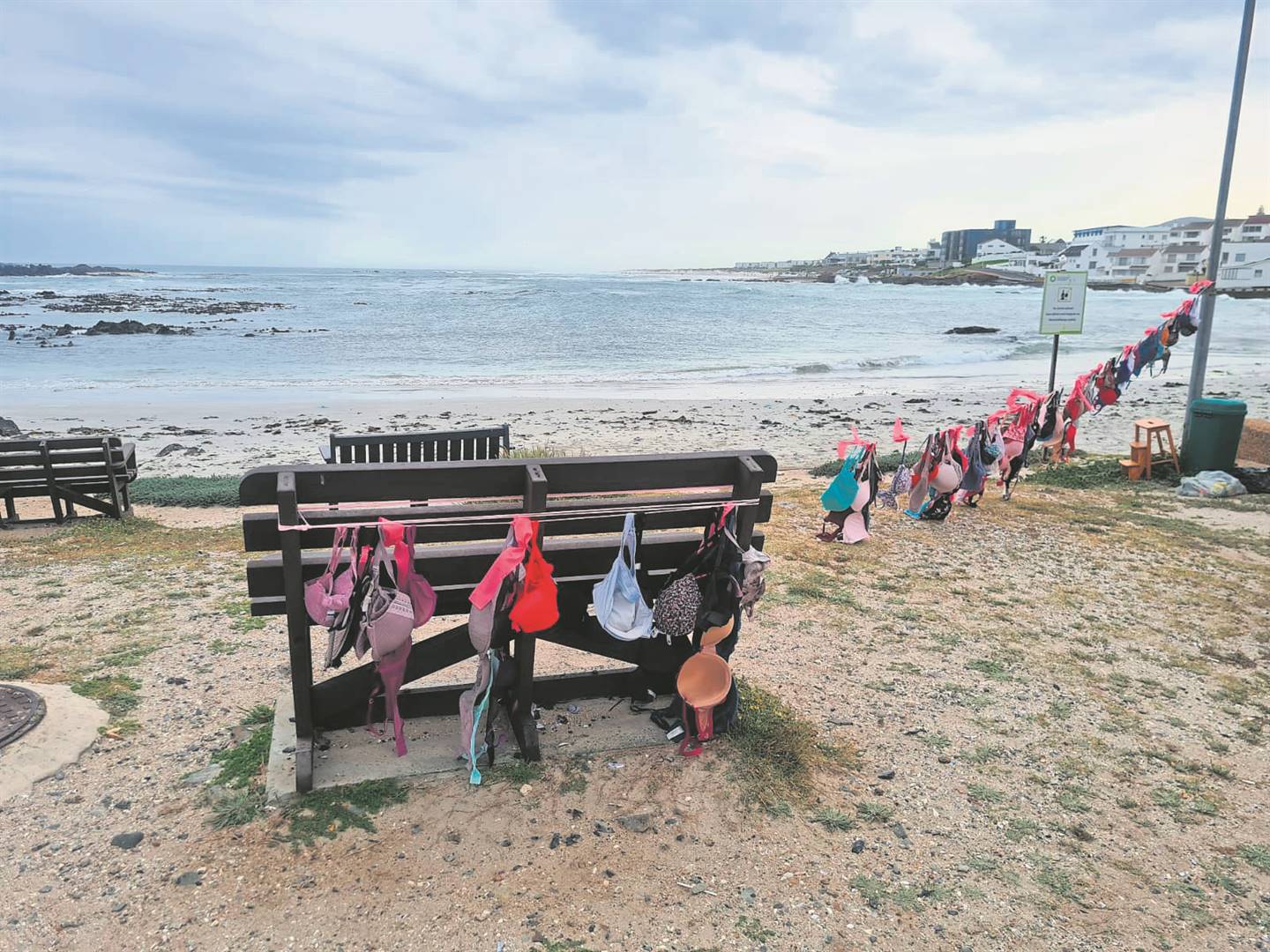
Many people stopped in their tracks to witness the people hanging bras in Bloubergstrand (opposite Ons Huisie) on Saturday.
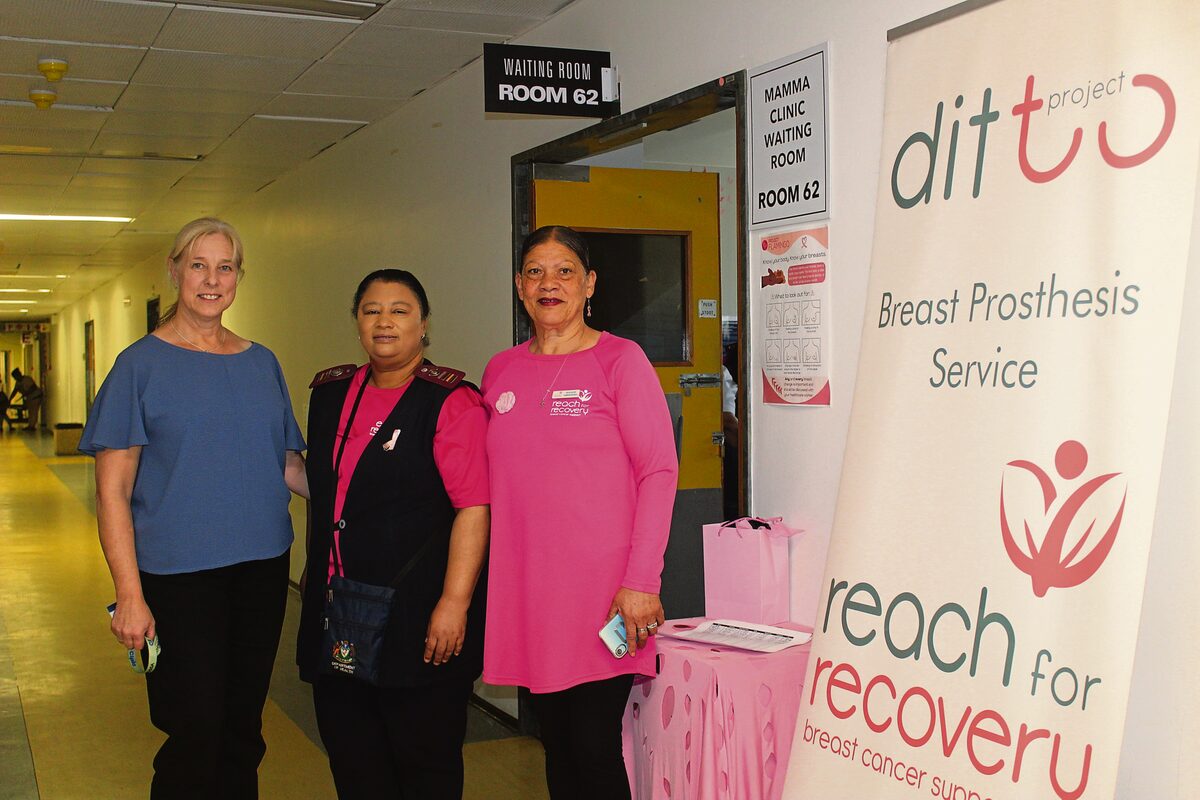
The bras are there to create awareness for the String of Hope campaign and were put there thanks to Reach for Recovery, a voluntary organisation that renders an emotional and practical support service to persons and their families that have been diagnosed with breast cancer.
Carla Lind, chair of the Cape Peninsula Branch of Reach for Recovery, says the String of Hope Campaign is to attract attention and highlight the importance of breast cancer.
The community donated their gently-worn bras and formed a string at Bloubergstrand Beach.
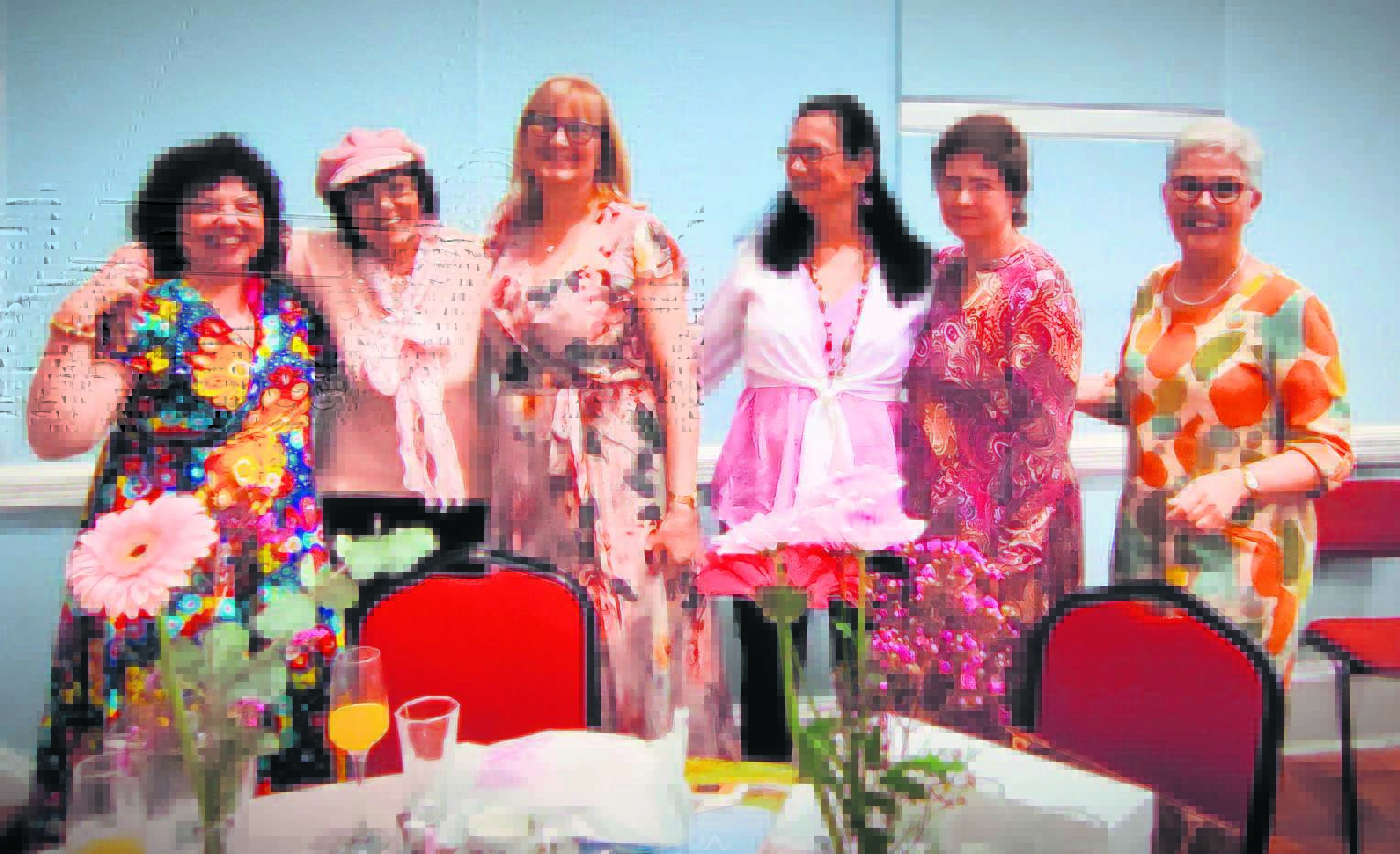
“We are all breast cancer survivors and we would like other patients to know we are there for them, and support them through this difficult time.
First mastectomy bra
They have recently launched the first mastectomy bra – a first for South Africa, which is locally made. The Cape Peninsula Branch of Reach for Recovery is currently doing this pilot project.
The bra is where the campaign got its name – the hooking of bras symbolises the connections between people and the support by Reach for Recovery.
“These strings of bras could be a conversation starter – when kids ask their mothers why the bras and ties are displayed like that, it would provide an opportunity to explain to them what breast cancer is,” Lind says.
Bras used to be imported from overseas, but now South Africa has its own, Lind says. The bra is available to state hospital patients who have had a mastectomy.
“The bras have been tested on patients. It is a groundbreaking world for SA,” she says.
Lind adds that in most cases, people wear the wrong size bras and are not even aware of it. Reach for Recovery now offers professional fitters to help patients.
“You should really see these patients. We’ve given them their hope back and life back. Their faces light up,” Lind says.
Breast prosthesis
After having breast cancer and a mastectomy, a woman is often worried about her appearance. External breast prostheses may be the only option a woman has, especially if she cannot afford to undergo reconstructive surgery. Wearing a breast prosthesis is a personal choice.
“The reality is that many breast cancer patients in South Africa cannot even afford a bra, let alone a breast prosthesis. Reach for Recovery wants to help these women who come from very low-income groups to feel confident again after the traumatic diagnoses and surgery.”
If breast-conserving therapy is not possible or chosen, a mastectomy will be performed. Breast reconstruction can be considered to restore the shape of the breast. If this procedure is not recommended or chosen, a breast prosthesis is available.
Reach for Recovery volunteers
When a person first finds out they have breast cancer, they may feel overwhelmed, vulnerable, and alone. While under this stress, they must also learn about complex medical treatments and choose the one that’s right for them.
The particular focus is therefore on providing service that is post-diagnosis, treatment and survivorship.
“Trained volunteers visit patients in the hospital, either before or after the operation. Emotional and practical support is provided at this time and if necessary, at any later stage. Patients are supplied with a booklet and pamphlets dealing with various topics relevant to breast cancer patients.”
They receive a soft prosthesis (temporary breast form), a cushion for underarm comfort and a bag to contain the port-au-vac drain.
Volunteers can also provide information on types of permanent prostheses, as well as lists of where those items are available within a patient’s community.
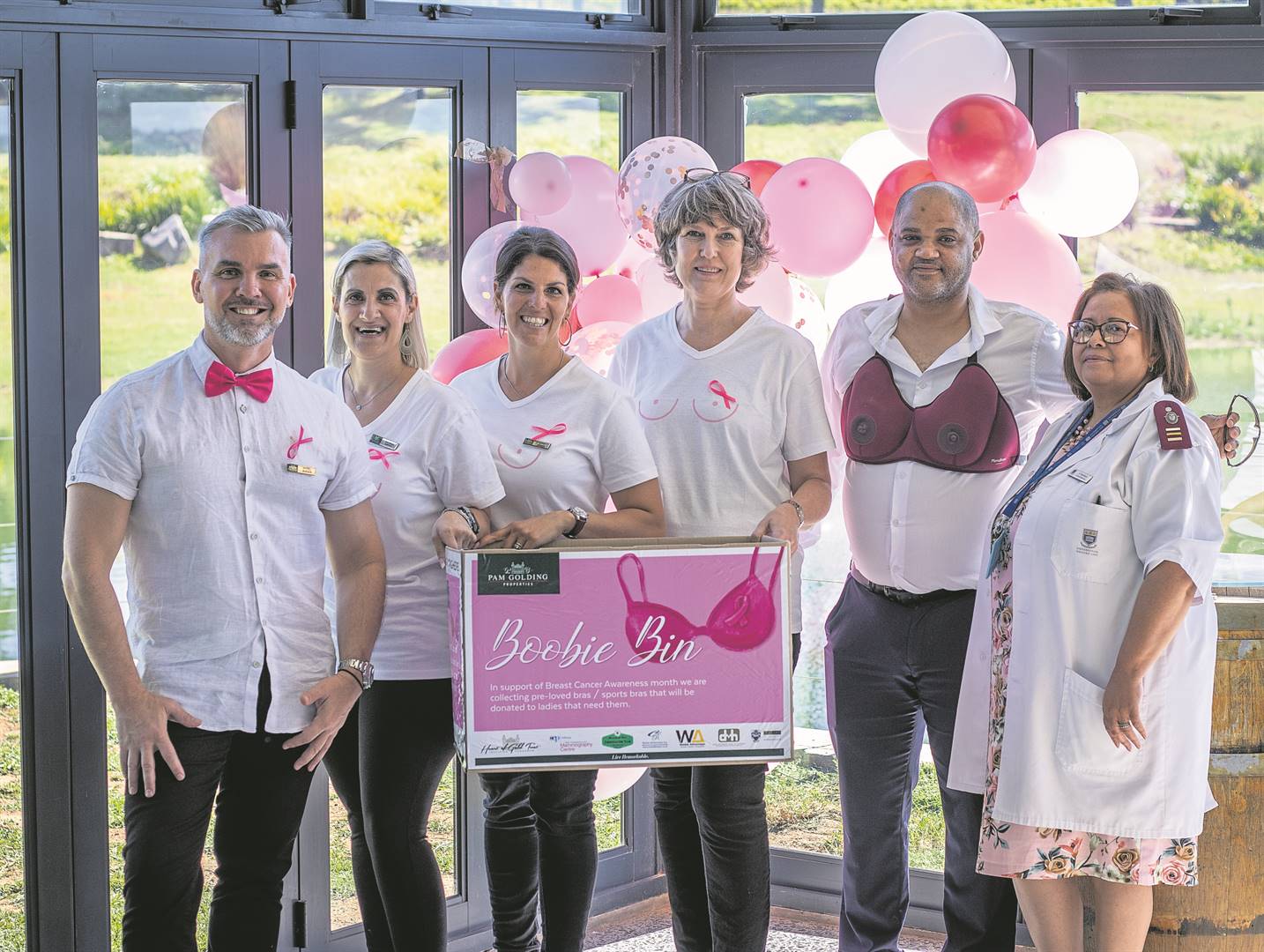
Asked what happens to the bras which were donated on Saturday, Lind says those bras will be donated to women’s shelters, hospices and people in need.
To help create awareness or for more information, contact Lind via email at Clind47@gmail.com, or visit www.reach4recovery.org.za.