
If the home user service charge for electricity on your municipal account frustrates you in the light of continued load shedding, you will just have to grit your teeth and bear it.
A resident complained to TygerBurger that the City of Cape Town should lower the R185 fixed “availability” charge that is charged per month – regardless if you are off the grid or not – in the light of unavailability of electricity to residents during load shedding.
“We have at its best a 40% availability of electricity and the City should adjust the fee accordingly. We do not have the availability of electricity all the time and the service charge should be lowered pro rata,” he says.
“We buy our electricity from the City and the City is responsible to deliver it. The City must take the unavailability of electricity up with Eskom.”
Fixed service charge
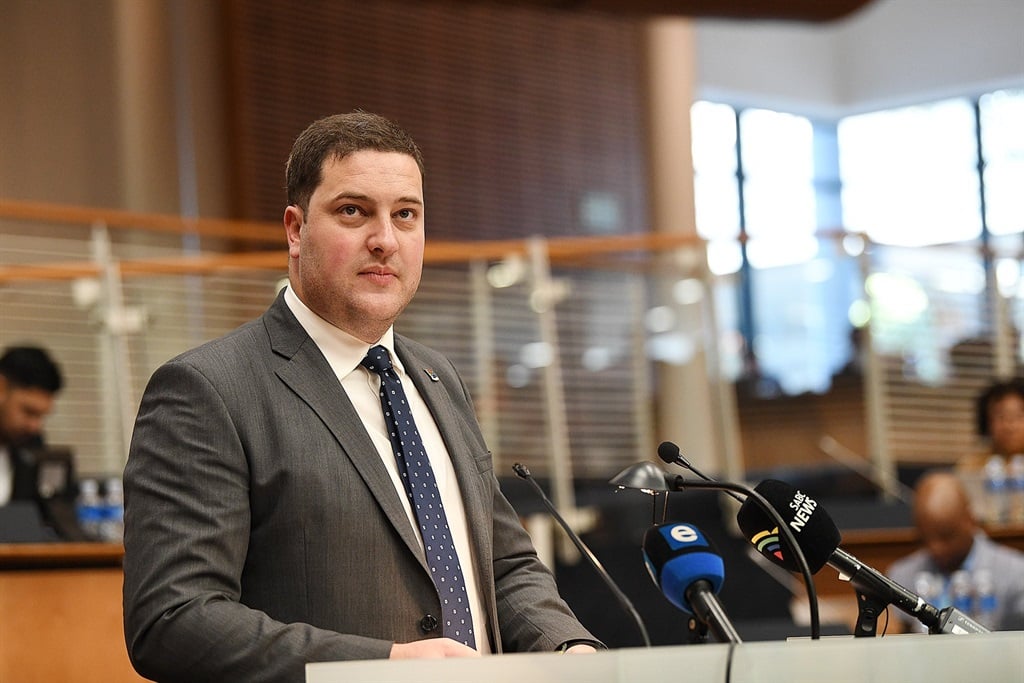
The home user charge is a fixed service charge and is a charge to recover fixed costs such as network operations and maintenance, capital, meter reading, and billing, explains Siseko Mbandezi, the City’s Mayco member for finance, on enquiry by TygerBurger.
“This charge may be recovered as a daily or monthly charge. It is applicable throughout the entire period during which the relevant property is connected, irrespective of whether any electricity is used or not,” he says.
Mbandezi says the home user service charge is there to protect reliable supply of electricity.
“Even so, it is not fully cost-reflective as it is only approximately half of what it should be. No matter how much or how little electricity is used, it still costs the same to provide the services.
“Without this charge, the usage component of the tariff would be much higher,” he says.
“The income from rates and tariffs all goes toward the provision of reliable services and meeting the needs of a growing city. Tariffs are revenue neutral and no profit is planned on this income. Every year, affordability, while at the same time not jeopardising service delivery, is at the heart of setting rates and tariffs,” Mbandezi says.
The City has managed to protect its customers from many hours of Eskom’s load shedding over the past year of almost non-stop load shedding, he continues.
Load shedding protection
“For many hours Cape Town was the only metro in South Africa that had no load shedding at all. The load shedding protection is also to the benefit of all in Cape Town as it protects critical infrastructure and service provision to all residents,” he says.
The City will not consider to do away with this fee during load shedding, Mbandezi says.
“The City’s cost of supply study shows that the home user charge is indeed roughly half of what it should be. The confusion around this may arise from a lack of understanding of costs involved in rendering electricity services.
“Some costs, such as salaries and wages, capital expenditure, and repair and maintenance costs are incurred whether any electricity is used or not.
“The fixed home user service charge not only helps to secure the provision of the service, but also ensures that those who are able to install more expensive energy-saving technologies are not being subsidised by those who cannot. Without this charge, the usage component of the tariff would be much higher,” he says.