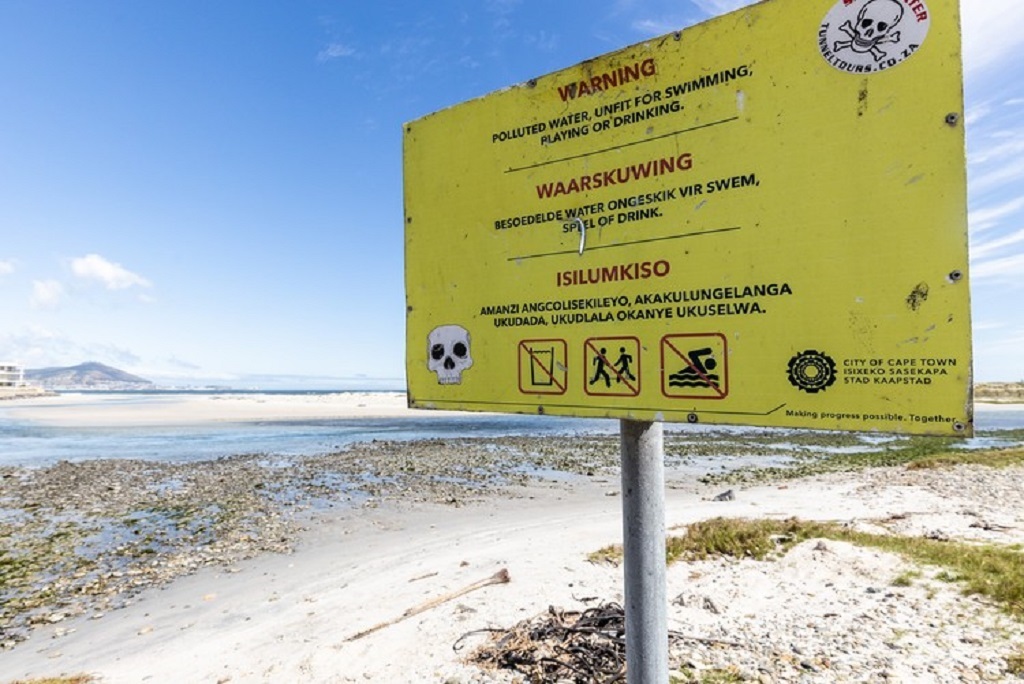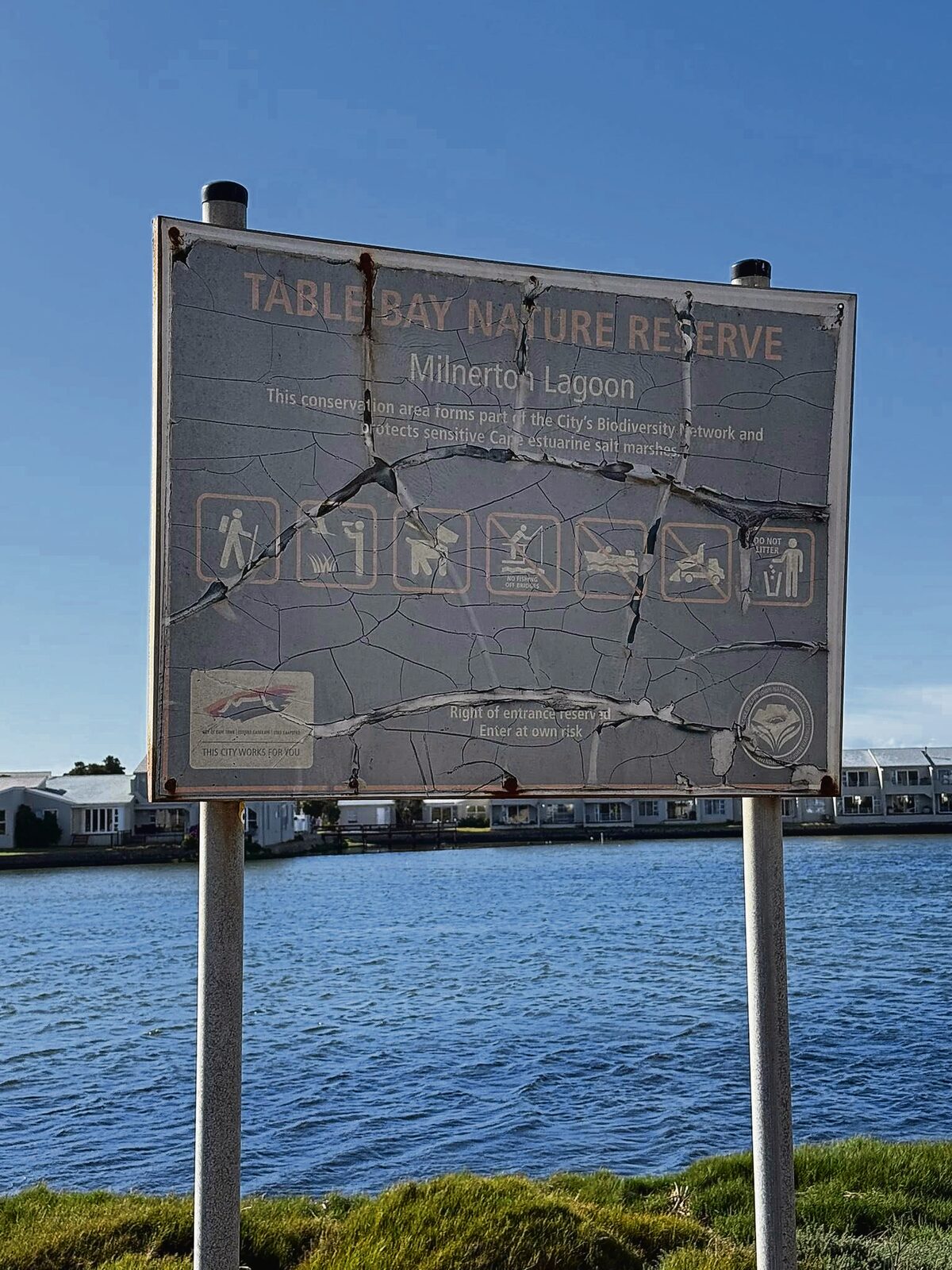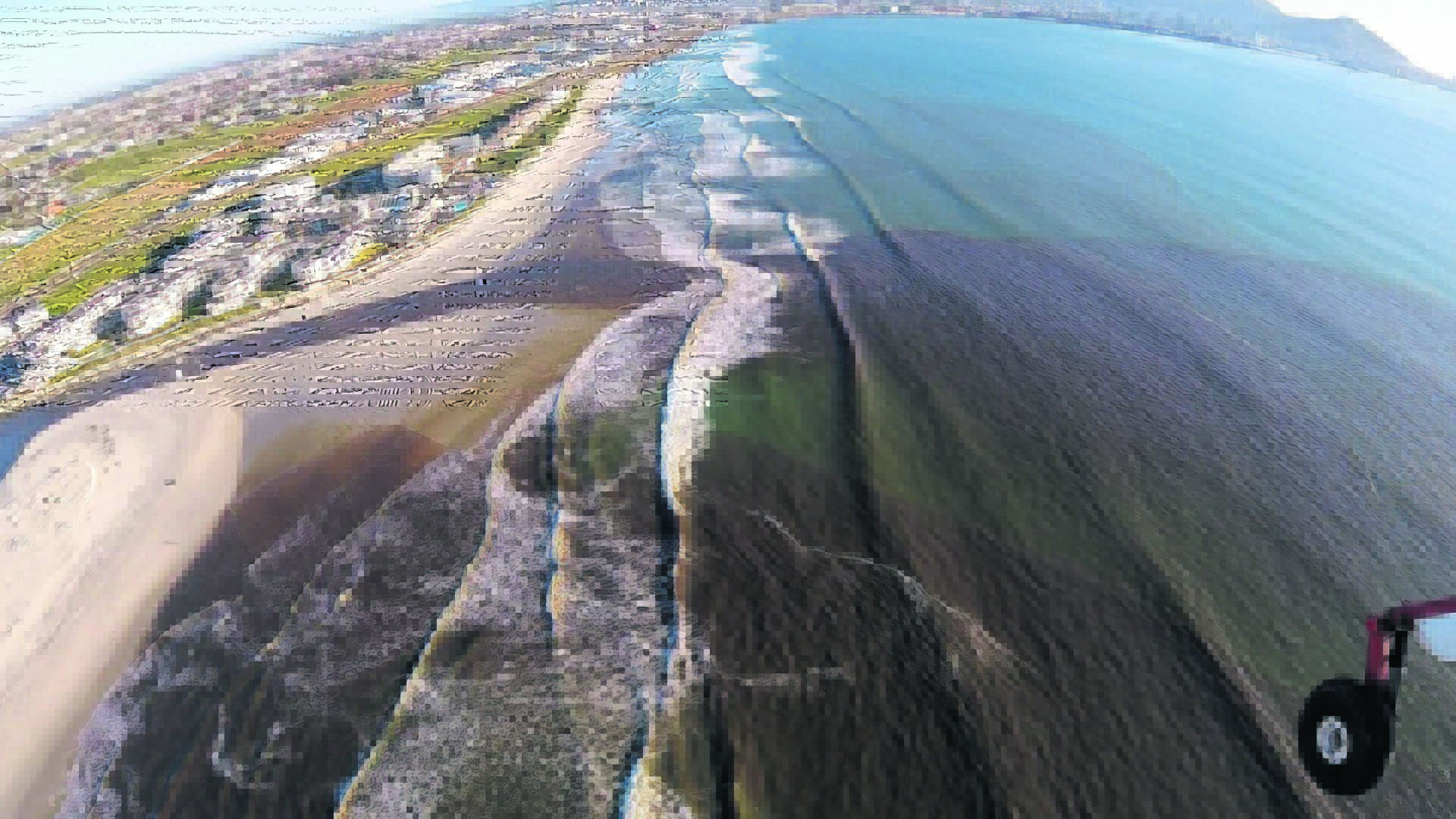

Health hazards were foremost at the third quarterly Milnerton Lagoon stakeholders’ meeting last Monday night after a number of residents pointed the finger to the polluted lagoon.
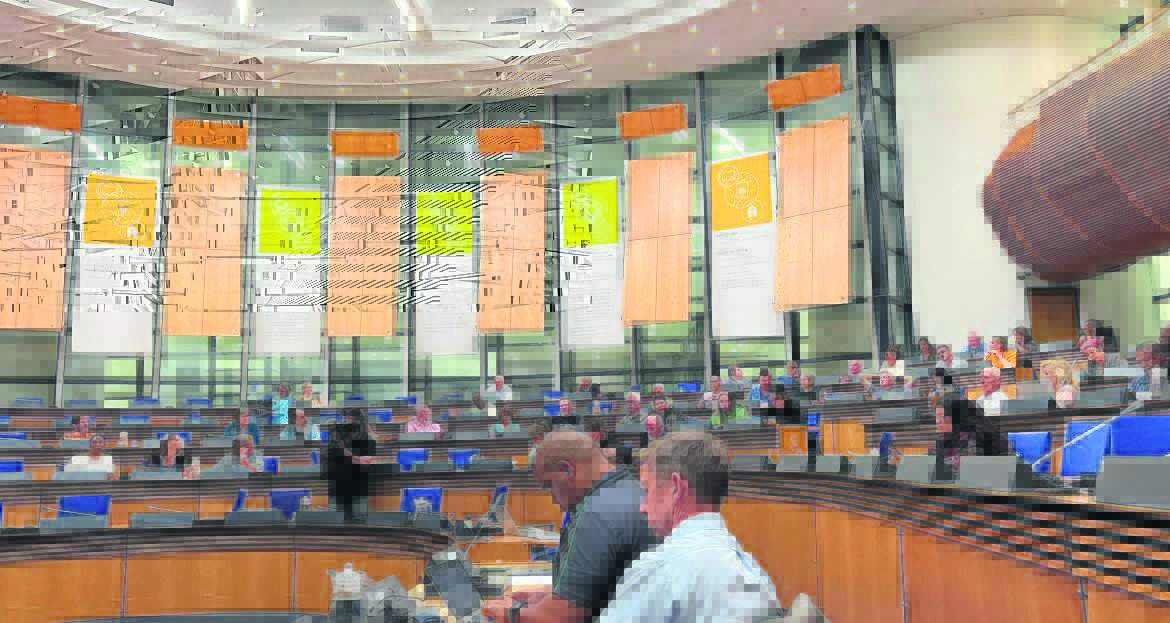
The meeting, chaired by Mayor Geordin Hill-Lewis together with representatives from various departments, gave residents, community groups and other stakeholders the opportunity to engage with City officials on matters related to the Milnerton Lagoon.
The meeting also provided updates on recent developments and initiatives on the City’s multibillion-rand Milnerton Lagoon rehabilitation plans.
Recently, TygerBurger reported residents living close to the lagoon complaining about recurring eye, nasal and skin irritation, headaches, nausea, sinusitis, asthma flare-ups and other health issues.
According to these residents, their conditions are worsening.
“I’ve had headaches for weeks on end and doctors simply can’t pinpoint the cause of it,” a residents says.
She claims that the odour contains highly toxic hydrogen sulphide.
“This has been ongoing and seems like it’s getting worse,” she says.
Slow progress
The Milnerton Central Residents Association says while the commitment by the mayor that whatever resources are required to restore the Milnerton Lagoon will be made available is welcomed, the slow progress is both disappointing and frustrating.
“Some good news is that the City promises an improvement in the Potsdam effluent quality within weeks and a significant improvement by end June. Similar promises were made at the September 2022 site inspection, lets hope these promises materialise,” a spokesperson says.
Caroline Marx, admin of the RethinkTheStink group, says the low flow diversion near Milnerton High is anticipated to be completed by June and should reduce the amount of overpumping with the temporary mobile pump currently required.
“Sadly there are still no firm timelines around when the subsurface aeration trial aimed at reducing the hydrogen sulphide smell will start. Other questions remain inadequately or unanswered; we will attempt to get more comprehensive feedback on these,” Marx says.
Solutions
At the meeting Hill-Lewis said there is no other community in the whole city that has quarterly update meetings on the problems they face.
“The City takes this problem seriously and has presented a detailed multibillion-rand project timeline to address the problem. That timeline of course has been subject to some delays already and I have no doubt that in the course of the next five years, it will be subject to some other unexpected delays. But the project has everything it needs to succeed, there is not a single stone we have left unturned,” he said.
Alex Lansdowne, deputy chair on the Mayoral advisory committee on water quality in wetlands and waterways, says the priority for the City at the quarterly Milnerton Lagoon meeting was to communicate the various infrastructure upgrade projects that we will soon be breaking ground on – specifically in catchment management, wastewater treatment and environmental management – that will materially improve the condition at Milnerton Lagoon.
“We also want to communicate to the community that whatever resources are needed to restore the Milnerton Lagoon will be made available. I am pleased with progress that city officials have made towards the Aeration of Milnerton Lagoon. The Water Quality Advisory Committee has taken a keen interest in advising and fast-tracking the implementation of this.
“We are expecting the full council meeting at the end of March to approve the R5-billion Potsdam upgrades. This is the beginning of the pathway out of the stink,” Lansdowne says.
The City says their strategy to improve water quality at Milnerton Lagoon is two pronged: close off the sources of pollution and in turn work to rehabilitate the Milnerton Lagoon. “Engaging in regular meetings with the residents of Milnerton is an ongoing commitment as the City of Cape Town breaks ground on wastewater infrastructure projects that will protect our environment for people and nature.”
Test results
Residents are accusing the City of not being transparent with pollution test results. Marx says they had to carry out their own independent tests around the Potsdam Wastewater Treatment Plant. The tests found effluent pouring out of an “official outlet” to contain an E. coli count of 1 560 000 cfu/100 ml and 2 140 000 cfu/100 ml from an “unofficial outlet”.
The City’s recent water sample testing on 7 February were as follows:
- Diepriver estuary at Woodbridge Island (Loxton Road): 38 110
- Diepriver estuary at the mouth: 2 180
The City has since rolled out several measures to deal with the hazardous pollution in the lagoon, including a R5 billion upgrade to the Potsdam Wastewater Treatment Works.