

Every year, thousands of teens commit suicide.
The pressures facing today’s generation of adolescents and young adults are taking a toll on their mental health, increasing the risk of drug addiction and suicide.
“Even in the best of circumstances, adolescence and the transition from childhood to adulthood is a vulnerable phase of development,” says Dr Kavendren Odayar, a psychiatrist practising at Netcare Akeso Gqeberha.
Teen Suicide Prevention Week was marked across the country earlier in February and experts have spoken out about the necessity of looking after mental health and finding healthy ways to navigate challenges.
Global research indicates that encouraging and practising wellness in teen years can help young people flourish and improve the quality of their lives.
“Although speaking to children or adolescents about mental health challenges may evoke discomfort at times, it remains imperative to regularly acknowledge and engage them in conversation pertaining to their mental health, their challenges and their overall well-being,” says Western Cape Government Health and Wellness youth mental health counsellor, Zelah Dodgen, who works with young people in Ravensmead, Ruyterwacht and Elsies River.
“Doing this encourages and fosters open, non-judgmental and ongoing dialogue to discuss and address stressors in their lives, explore adaptive coping skills, as well as promotes health-seeking behaviour.”
Preventative measures
Dodgen stresses the importance of preventative measures, such as healthy living and listening to young people to protect their wellbeing. “No individual is immune to life’s stressors. This applies to our young people as well. This is why young children and adolescents need to be attentively listened to – what they say and don’t say – and their experiences validated. We all have a collective duty to normalise speaking about mental wellness and challenges within our homes, schools and communities. Mental wellness challenges are nothing to be ashamed of, neither is talking about it.”
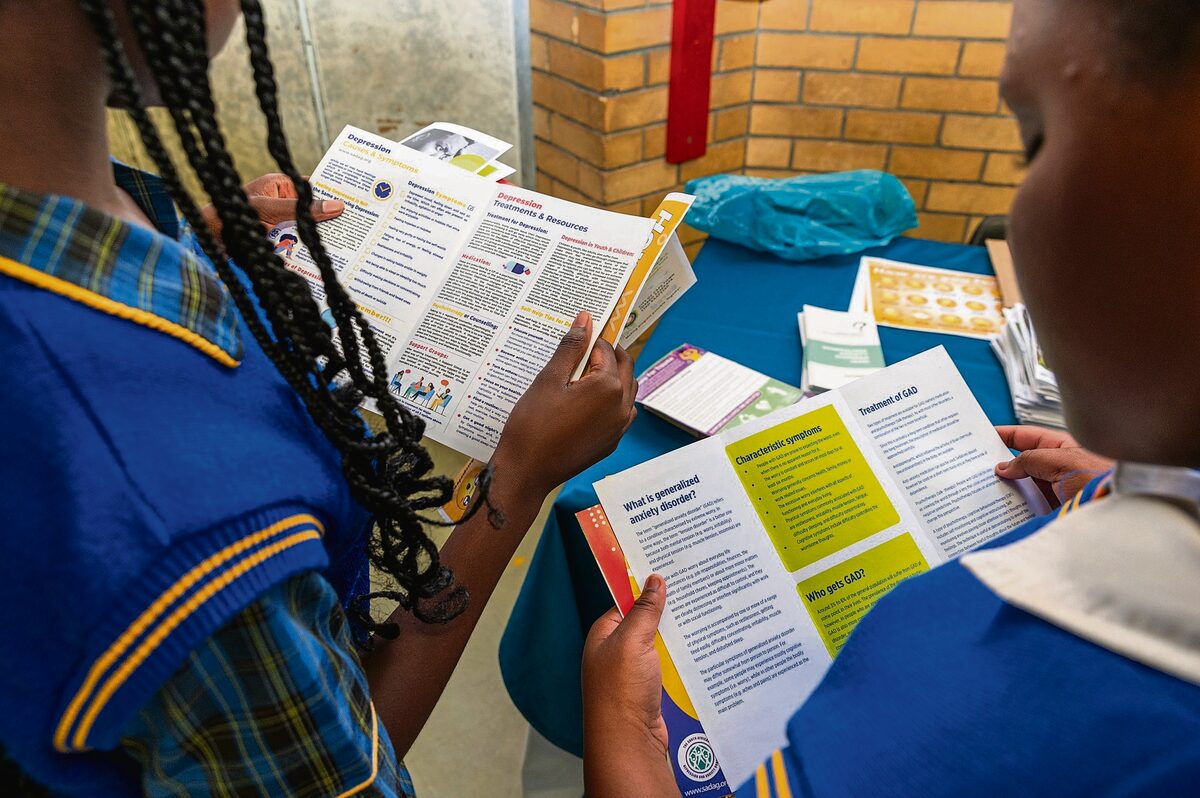
Understanding the science behind teen suicide can help us in addressing and preventing challenges our teenagers may be facing, experts at Sadag say.
“There’s this association that depression is sadness, but only about 20% of teens with depression will actually say they feel sad,” explains psychiatrist Dr Terri Henderson. She elaborates: “The majority report feeling empty, feeling nothing, and also very prominent is experiencing profound negative thoughts.”
Here are some ways that teens can improve mental, emotional and physical wellness. This guide, approved by our health experts, can be used by young people or parents raising youth.
Find healthy coping skills
Find out what works to help you or your teen to cope. Whether you’re feeling stressed or anxious or you’re learning how to care for yourself, there are ways to deal with your feelings without harming yourself. This includes:
- Practise breathing exercises: Nobody feels happy all the time. It’s okay to feel angry or sad. Practise deep breathing. This may help you to reduce stress.
- Keep a journal: Use your phone or a notebook to write down your feelings. If you’re feeling insecure, keep a list of everything you like about yourself and check it regularly or put your list where you can see it every day.
- Listen to music: Research shows that listening to music can reduce stress or anxiety, improve your mood and the quality of your sleep. Pay attention to how music makes you feel and choose a song that works for you.
- Exercise or dance: Regular exercise releases feel-good brain chemicals, which supports your mental well-being. Dance when you’re feeling stressed or watch an exercise video on YouTube. Exercise may also include walking, swimming or games. Parents can join in and support young people when exercising at home or outdoors.
- Choose healthy foods: Did you know healthy foods like fruits and leafy green veggies are good for a healthy brain? Food with lots of sugar, fizzy drinks, and energy drinks can make you feel tired and anxious.
- Get enough sleep: Getting at least eight hours of sleep per night can help you to manage your stress levels and help you to focus while at school.
- Practise time management: Creating a routine can help you to get things done that matter to you, like schoolwork or making time to practise for an extra-mural activity, such as soccer, or spending time with family. Routines can help you deal with stress as it provides structure in your day despite possible changes.
Set boundaries
Parents can teach children to set boundaries. Knowing your boundaries and what is important to you can protect your peace and safety. For example, making choices that are good for your health and your future. Say no to things that are not good for you.
Be honest about your physical boundaries, such as your personal space, privacy, and things you don’t feel comfortable with or don’t consent to. Your feelings are important. Speak up when you don’t feel comfortable or valued. Speak to other people with respect and ask them to do the same. You are worthy, loved, and enough.
Be aware of social media use
Social media has many benefits but can be harmful to young people, especially if you or a friend are being bullied online or someone is spreading false information about you.
Remember you can report harmful posts to the platform you’re using and lay a charge at the police station. Ask a trusted adult, friend or teacher for help. It is also important not to spread false information about others.
Know the qualities of good friends
Positive friendships are important in teenage years, as you become more independent, decide who you want to be and how you want to live. A good friend will be a companion, provide support and help you to make healthy choices that won’t harm you or others. Knowing the qualities of a good friend can have a profound impact on your well-being and future.
If you’re concerned about your friend’s well-being, there are a few warning signs. These include:
- They stop taking care of themselves, for example, they don’t bath regularly and are eating less than usual.
- They make jokes about hurting themselves or others.
- They don’t want to spend time with friends anymore and prefer being alone.
- They have unpredictable mood swings, feel angry or sad all the time, struggle to sleep, or are doing risky things.
- If you notice any of these signs, please be kind to your friend and reach out to a safe adult or teacher for support. Remember that help is available, and you are not alone.