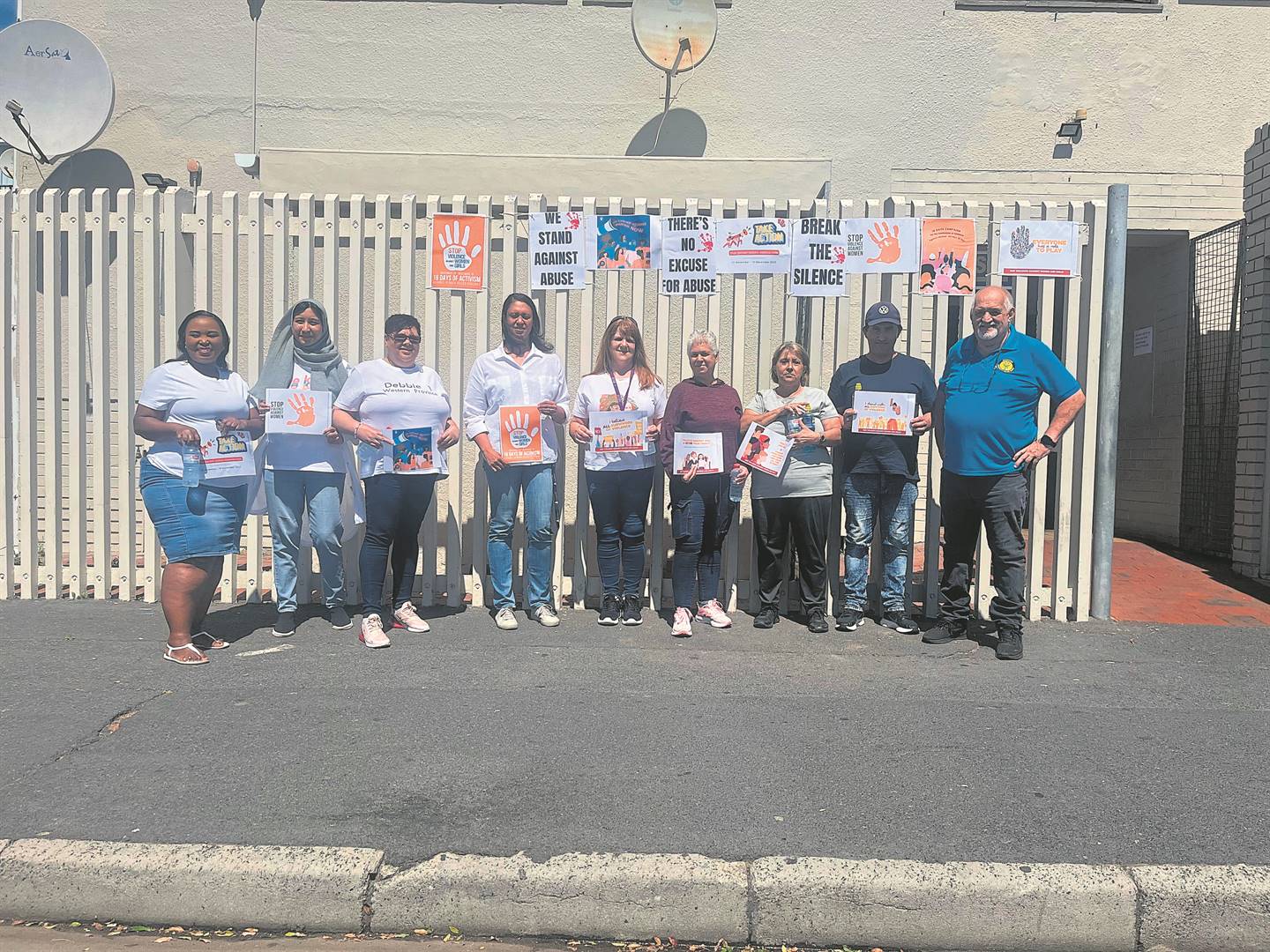


This year’s 16 Days of Activism for No Violence against Women and Children saw a jovial and dynamic launch at the Bellville South Community Hall on Tuesday 26 November, with speakers bringing uplifting vibes, valuable insights and awareness from key stakeholders and support services.
Brought by Subcouncil 6 chair, Mercia Kleinsmith, the City of Cape Town’s Community Arts and Culture Development Region 3 collaborated with Bellville South police, Rape Crisis NGO, Correctional Services, Badisa, Bellville South Community Police Forum (CPF), community activists, faith-based leaders and more.
Understanding GBV
“The 16 Days of Activism is a global campaign dedicated to promoting action to eliminate violence against women and children. GBV is not only a violation of human rights, but also a life-threatening health and safety issue,” introduced Bellville South Station Commander, Lt Col Johannes Erwee.
He said GBV knows no boundaries. “It can affect anyone, regardless of race, age, sexual orientation, religion, gender or socio-economic background. Tackling this issue requires both awareness and practical solutions to empower victims and address root causes, like financial dependency trapping individuals in abusive relationships.”
One key focus, he added, is to foster resilience through collaboration, “which means helping victims not only survive but thrive”.
GBV parolees
Another key speaker addressed procedures related to parolees formerly convicted of GBV-related crimes. During the incarceration period, Liesl Pieterse said, the offender undergoes different programmes for being considered for parole.
“There are restorative justice programmes, life skills, new beginnings, substance abuse programmes, and once they are placed out on parole, those programmes do not stop[…] I’ve got a soft spot for this programme.
“We call it the Victim-Offender Dialogue, where victims are encouraged to get closure where they would sit with the perpetrator or the offender.”
She illustrated strict processes to be followed before such a sit-down between offenders and victims can happen.
“Obviously, the victim will get help. We send them through counselling, and then when they are ready, they will take a seat with the offender. But both the offender and the victim have to be willing for this programme to follow.
“If we feel that something is not right, then we’ll stop that programme completely. But we encourage that programme on a daily basis. We have seen closure with the victims, where victims have said: ‘I have forgiven the offender’.”
Essentially, this process helps the victim to release emotions and traumas to better continue their journey to healing and renewed empowerment, explained Pieterse.
“The Department of Correctional Services would like to encourage the community to come forward with any issues concerning parolees and professionals. We would like to work hand-in-hand with all in order to make South Africa a safer place for all.”
Rape Crisis
René Manuels, representing Rape Crisis, explained its mission to promote safety in communities and illustrated an array of avenues whereby victims may seek help from their organisation. “We raise awareness about procedures involved in instances of rape, to ensure due process is followed for victims’ cases to be heard in a court of law and ensure success of timely convictions.”
The organisation offers a range of services, like online courses, training, free counselling, court support and promoting their Birds and the Bees-programme in schools whereby learners in partnering schools are trained to become peer educators of GBV-related dangers.”
Urgent need
The Bellville South CPF chair, Jerome Sias, took the opportunity to reaffirm their commitment to the cause: “Allow me to say this about the 16 Days of Activism: the CPF today wants to acknowledge and we want to reaffirm our commitment to fight this curse. This annual campaign reminds us of the urgent need to end all forms of violence, especially against women, children and the vulnerable in our community.”
He added this remains a time to call on each and everyone to play an active part in preventing GBV, ensuring the protection of human rights in our communities.
Types of GBV
GBV is classified in four different categories, namely physical abuse, emotional abuse, economic abuse and sexual abuse.
- Physically, GBV is recognised in forms of physical assault, trafficking / slavery, infanticide, honour killings and maiming.
- On an emotional level, GBV takes the form of abuse, humiliation, confinement or isolation, intimidation or threats, social exclusion, and ostracism based on sexual orientation.
- Economically, it entails discrimination and / or denial of opportunities, forced / early marriage or denial of education for women and children.
- The sexual aspect relates to forced marriage, sexual exploitation, forced prostitution, survival sex, rape and marital rape, child sexual abuse, defilement and incest.
If anyone experiences GBV, the following steps are strongly encouraged:
- Get to a place of safety.
- Seek medical assistance.
- Seek help from a social service professional.
- Report the incident to the police and relevant authorities.
Rape Crisis 24/7 helpline: 021 633 9229
Department of Social Development GBV Toll-free: 0800 220250
Bellville Department of Social Development: 021 918 3000
Childline: 116