

Youth unemployment is a huge problem in South Africa and the youth of South Africa need to be equipped to be made employable.
The future is technological and even though South African youth are increasingly becoming technologically savvy and are on par with their peers in other countries, access to technology and quality education remains a challenge for some, particularly in rural areas and is a contributing factor to youth unemployment in the country.
So says Alison February, the provincial project manager of the Presidential Youth Employment Initiative. She deals with youth unemployment and strategic ways to deal with it.
“First we need to revamp our education system because it is not good enough. We need to equip the youth with foundational skills and expand vocational training that aligns with what is needed in the economy. You cannot just train people and when they are done, the training means nothing,” says February.
Life-long learners
According to her it is also important to encourage the youth to be life-long learners. “The youth must also be encouraged to become entrepreneurs so that they can create jobs,” she says.
February says the following is needed in the medium term to increase youth employment in the country:
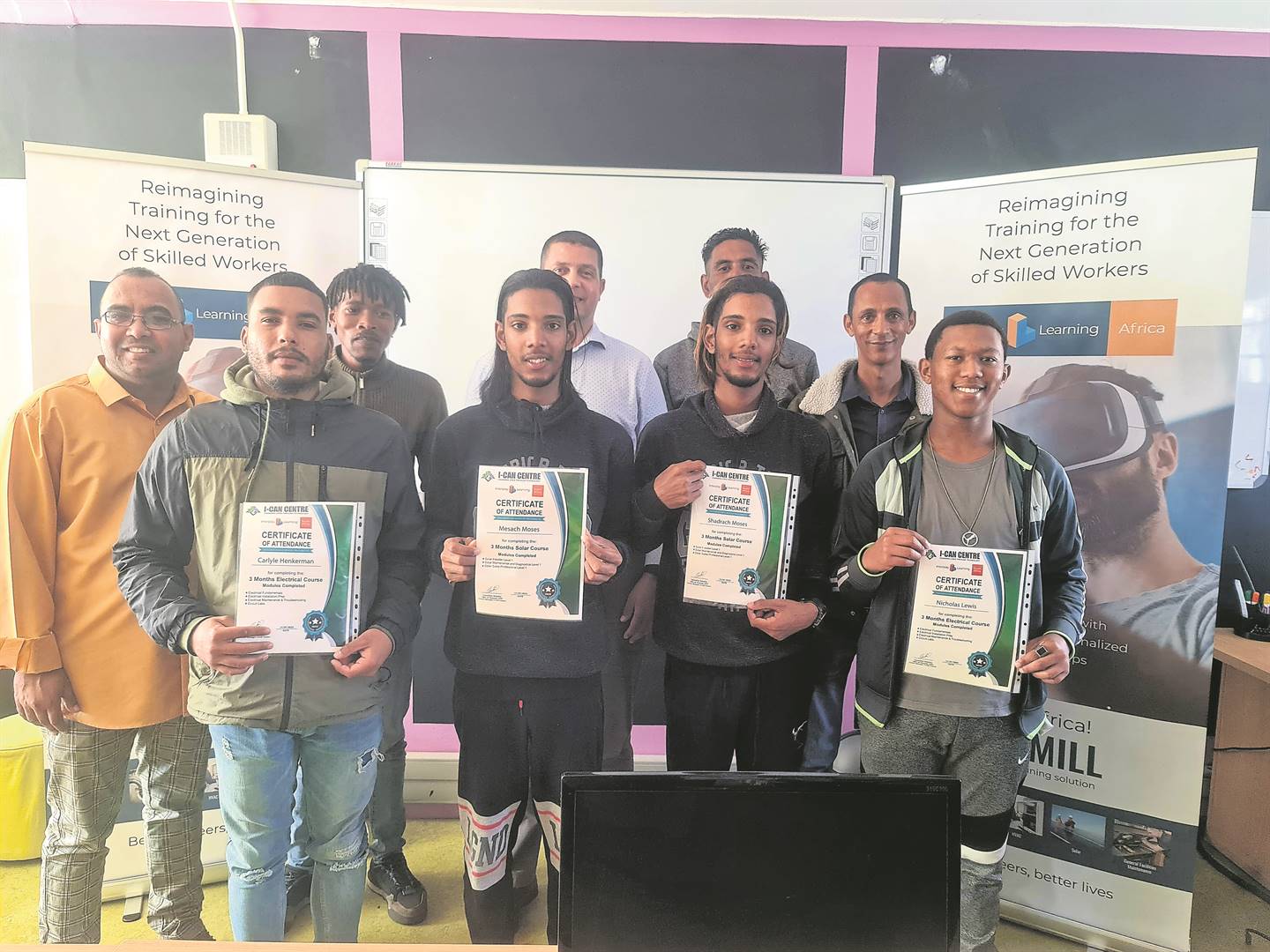
- Skills training: Offer short-term skills training programmes to equip individuals with in-demand skills for immediate job entry.
- Revamp education system: Reform the education curriculum to align with industry needs and promote critical thinking and problem-solving skills.
- Vocational training: Expand access to vocational training programmes to equip individuals with practical skills for employment.
- Lifelong learning: Promote continuous learning and upskilling opportunities to adapt to changing job market demands.
Mathematics
Vivian Pekeur, an educational specialist, specialising in mathematics, says the country cannot run away from poor mathematics results. “We will be in great trouble if we do not improve drastically in mathematics, in the number of learners taking maths at school and the number passing. Technological development in the world demand that learners understand maths and science. We have one of the lowest pass rates in the world,” she says.
She says young people should be encouraged and supported to do maths.