
A school-based recycling initiative has expanded to 31 schools across the Western Cape, bringing recycling education, infrastructure and income-generating opportunities to thousands of learners in low-income communities.
The iThemba Phakama 4Ps programme — a partnership between Polyco, a Producer Responsibility Organisation (PRO) under South Africa’s Extended Producer Responsibility (EPR) regulations, and the Western Cape Department of Environmental Affairs and Development Planning (DEA&DP) — completed its 2026 rollout during April and May, adding 14 low-income and no-fee schools to the programme.
The expansion is expected to reach an additional 13 700 learners and more than 380 educators, while supporting 28 jobs across participating communities.
How the programme works
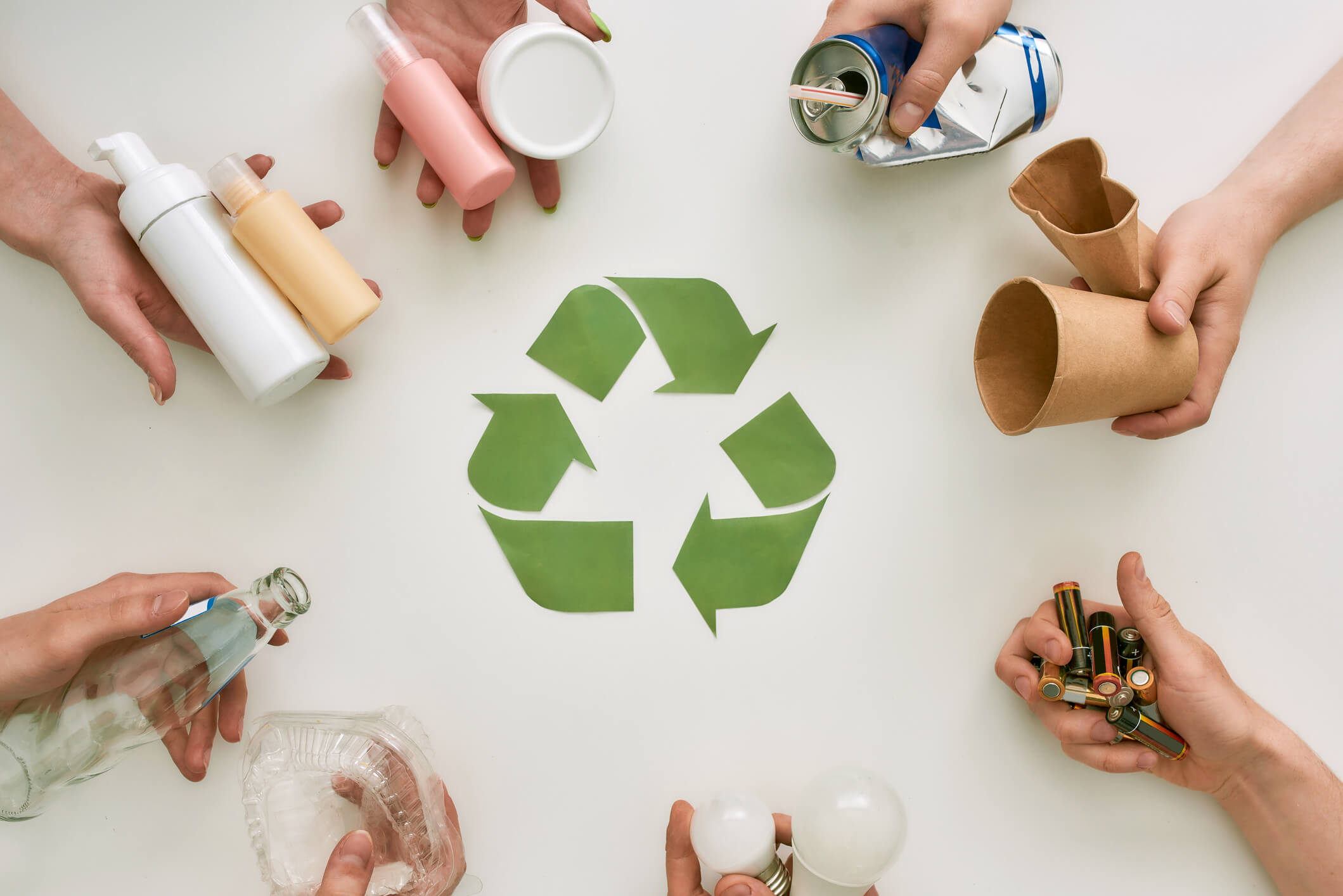
The programme centres on a practical model that connects schools, households and local waste systems. Learners collect recyclable materials — with a strong focus on plastic packaging — from their homes and surrounding communities, and bring them to dedicated recycling hubs at their schools. Schools are paid for the plastics and other recyclables collected, providing an income stream that can be reinvested in school needs and infrastructure.
Each participating school receives a tailored package that includes sorting tables, balers, recycling bins, bulk bags, signage, educational resources, safety personal protective equipment (PPE), digital scales and on-site project coordination support.
ALSO READ: Glass recycling creates new income opportunities for South Africans
The name iThemba Phakama translates from isiXhosa and Zulu as “hope” and “rise”, respectively, while the 4Ps refers to People, Public, Private, Partnership
Impact since launch
Since the programme launched, more than 40 tons of recyclables have been collected across participating Western Cape schools. The initiative has reached over 30 000 learners and more than 900 educators to date.
The 14 schools joining in the 2026 rollout are located in communities across the province, including Atlantis, Durbanville, Ottery, Heideveld, Khayelitsha, Delft, Lansdowne, Athlone, Elsies River, Brooklyn, Prince Albert and Kuilsriver.
Partnerships at the heart of the model
Patricia Pillay, CEO of Polyco, said the programme goes beyond improving recycling infrastructure.
“It’s about helping young people see waste differently — as an opportunity, not just something to throw away. When learners engage with recycling in a real, practical way, it doesn’t stop at school; it carries into their homes and communities. This is how we build real momentum and ensure lasting impact,” she said.
ALSO READ: New e-waste drop-off points launch in Bellville to boost local recycling efforts
Ron Mukanya, Director of Sustainability at the Western Cape DEA&DP, said the initiative was designed to address deeply entrenched waste challenges in underserved communities.
“We started this initiative to transform how communities interact with waste — especially in areas where illegal dumping, plastic pollution and poor access to recycling services are deeply entrenched. But government can’t do this alone. The success of iThemba Phakama relies on the strength of its partnerships, and support from organisations like Polyco plays a vital role in scaling the programme, reaching more schools, and ensuring the model delivers both environmental and social outcomes,” he said.
Pillay added that the collaborative approach is central to the programme’s ambitions. “Through collaboration and shared investment, we can bring the benefits of recycling infrastructure, education and income-generating opportunities to even more communities,” she said.