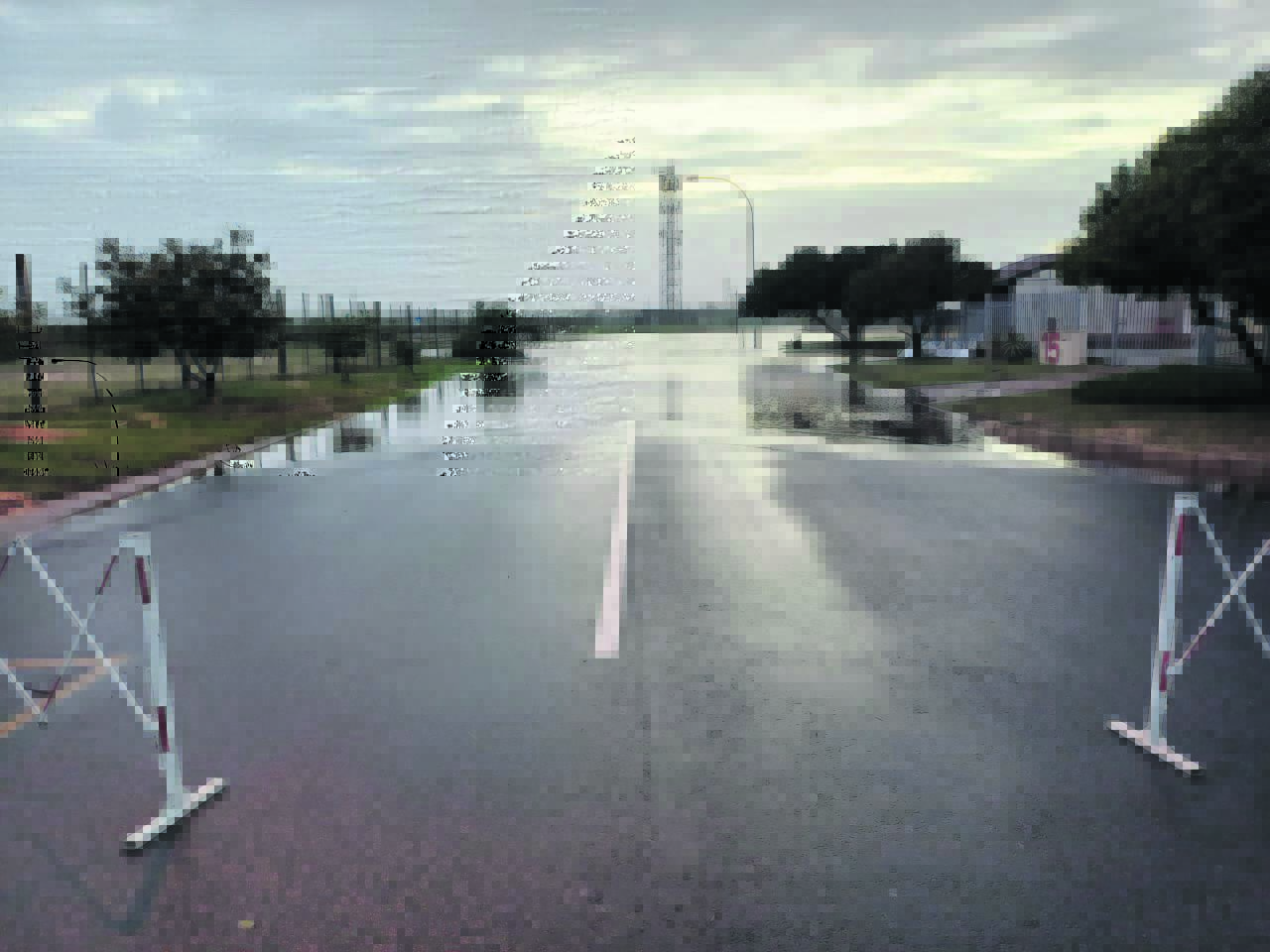


There is something almost theatrical about the weather in Cape Town. It doesn’t simply change — it performs, complete with dramatic lighting, sound effects, and just enough chaos to make everyone briefly question their life choices.
For 48 hours, the city is pushed through an entire weather system with very little warning.
Gale-force winds arrive first, pushing rain sideways across roads and turning visibility into a grey blur. Then come the floods, the icy bite in the air, and the constant roar of wind that makes even solid buildings feel slightly less confident than usual. And then there are the trees.
Not just swaying — but uprooted. Entire trees are torn out by their roots, collapsing across roads and open spaces like nature briefly losing an argument with gravity.
People don’t talk about “bad weather” so much as they talk about getting through it — waiting for the next gust, the next downpour, the next reminder that the storm is still very much in charge.
Then, just as suddenly as it arrived, it stops performing.
The wind drops its intensity. The rain slows. A patch of blue appears in the sky like someone testing the lighting system. And then, almost without ceremony, the storm is gone. And this is where things get truly Cape Town. Because Cape Town has a very specific post-storm personality: complete denial.
Storm forgotten overnight
Within hours, the same city that was dealing with uprooted trees, flooded roads and flying debris begins behaving as if nothing remotely dramatic just happened. As if the previous 48 hours were just a slightly intense dream everyone agreed not to talk about. It is almost impressive. The storm doesn’t fade away — it gets socially ignored. One moment residents are navigating blocked roads and dodging fallen branches. The next, they are discussing weekend plans in full sunlight, with the confidence of people who did not just survive what can only be described as nature’s aggressive reminder.
Lion’s Head suddenly becomes a popular suggestion again, as if it wasn’t just partially hidden behind horizontal rain a day earlier. The coastline follows the same pattern. Beaches refill quickly, even if the sand is still damp and the ocean hasn’t fully recovered from its own mood swing. Jackets disappear. Sunglasses return. Iced drinks are ordered with surprising optimism.
Coffee shops reopen their outdoor seating like nothing happened. Conversations shift from “Did you see that tree come down”? to “What a beautiful day for a walk”.
And that is the most Cape Town thing of all — not the storm itself, but the speed at which it is mentally deleted.
And yet, within a day or two, it is treated as a distant inconvenience — something that almost happened in another version of the city. Almost like it tried to do serious damage… and the city politely decided not to remember it that way.
From survival to selfies
That is the strange rhythm of life in Cape Town: extreme weather followed immediately by extreme optimism.
No slow recovery. No lingering drama.
Just a reboot. And by Wednesday morning, the same people who were dodging uprooted trees and sandbagging their driveways were posting sunrise selfies from Bloubergstrand beach, acting like the last 48 hours didn’t try to kill us — just briefly interrupted the weather forecast.
ALSO READ: THINKING OUT LOUD | Socks, storms and stubborn summer vibes