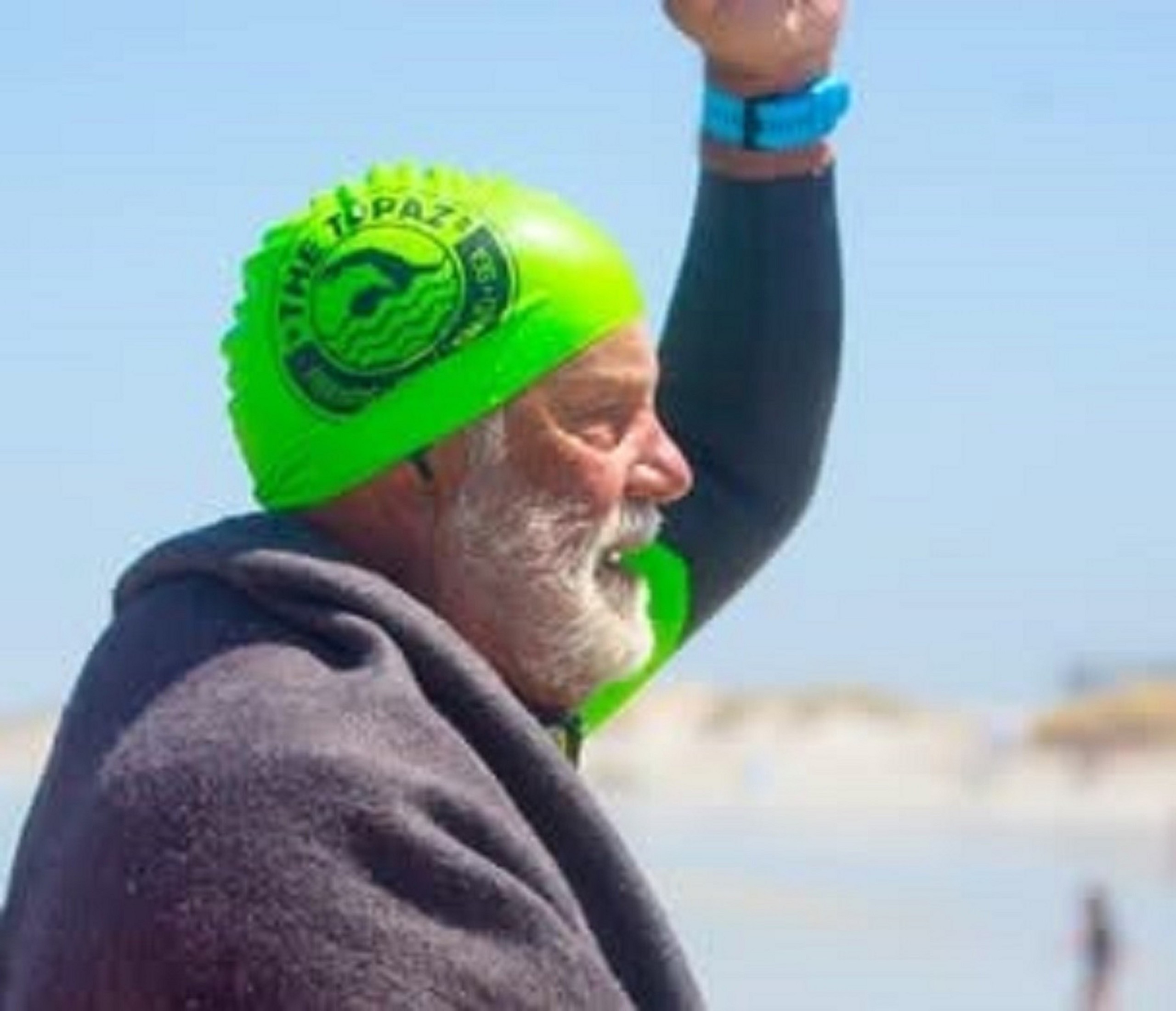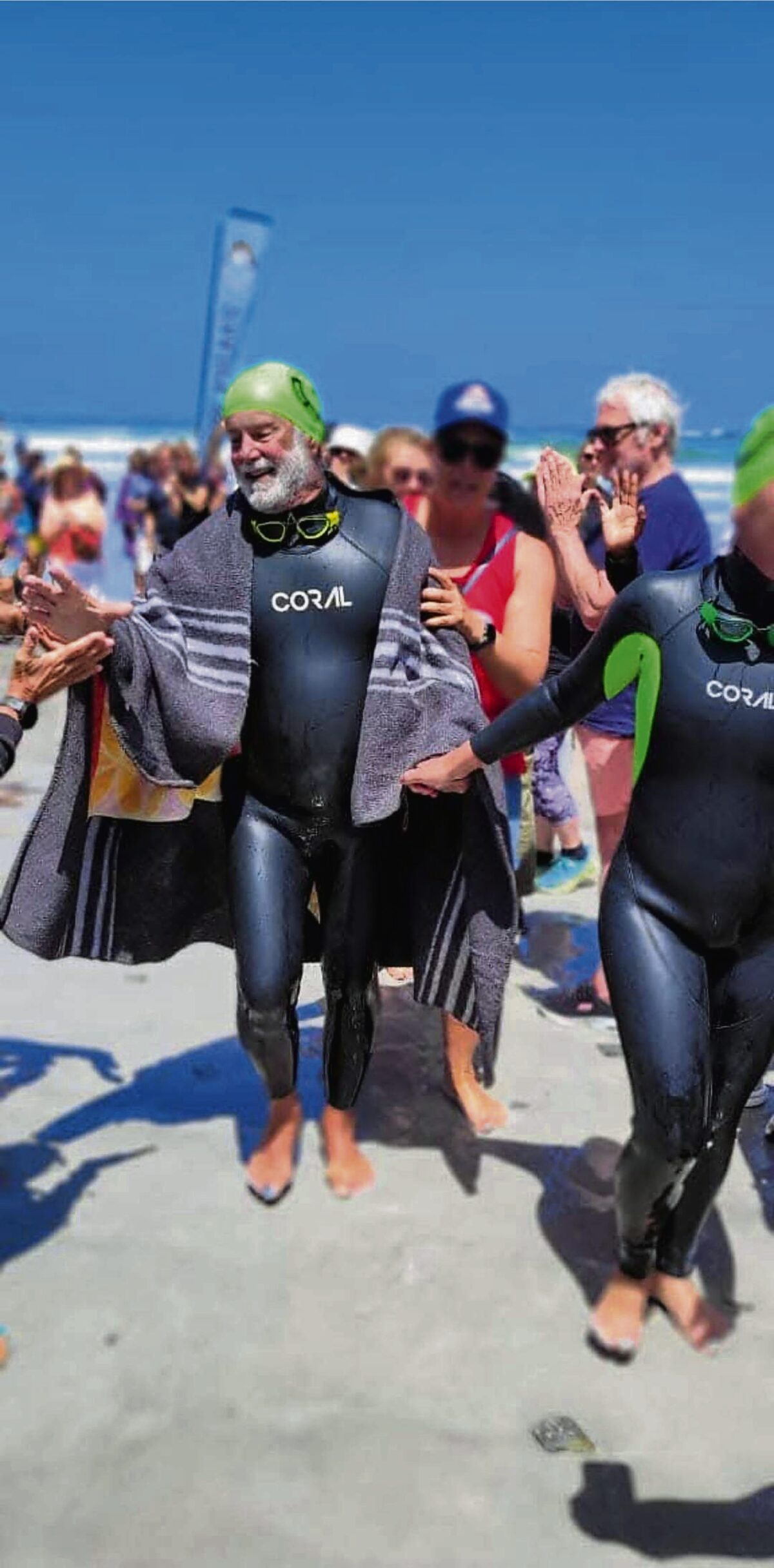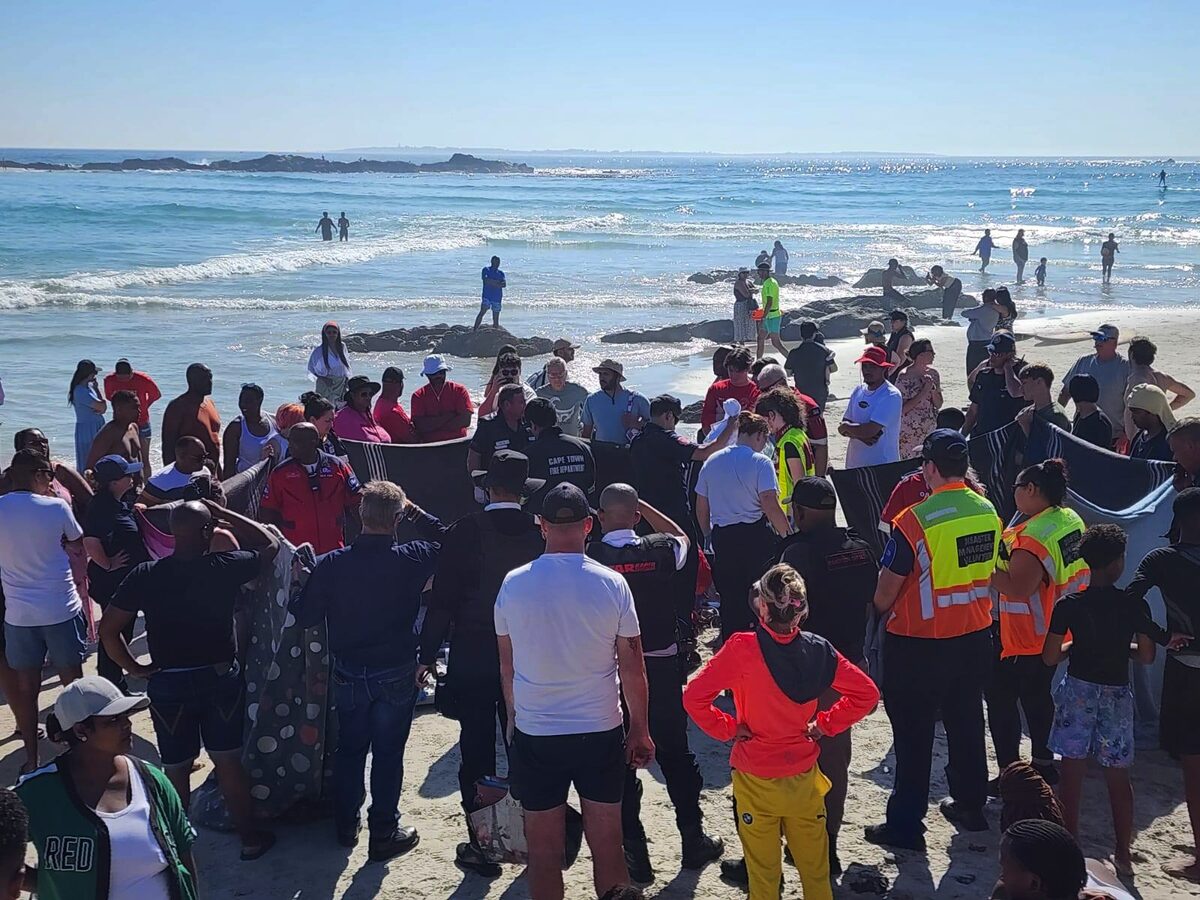

A routine early morning coffee stop at Small Bay turned into a dramatic sea rescue when 72-year-old Bloubergstrand resident Peter Rietveld rushed to help a fellow pensioner caught in dangerous currents. It was the second time in recent weeks that Rietveld had assisted the same swimmer from the water.
For most Bloubergstrand “bobbers”, the daily early morning plunge is about friendship, fresh air and a love for the ocean. But for Rietveld, one of those outings quickly became a life-or-death situation when he helped rescue a fellow swimmer trapped in rough sea conditions.
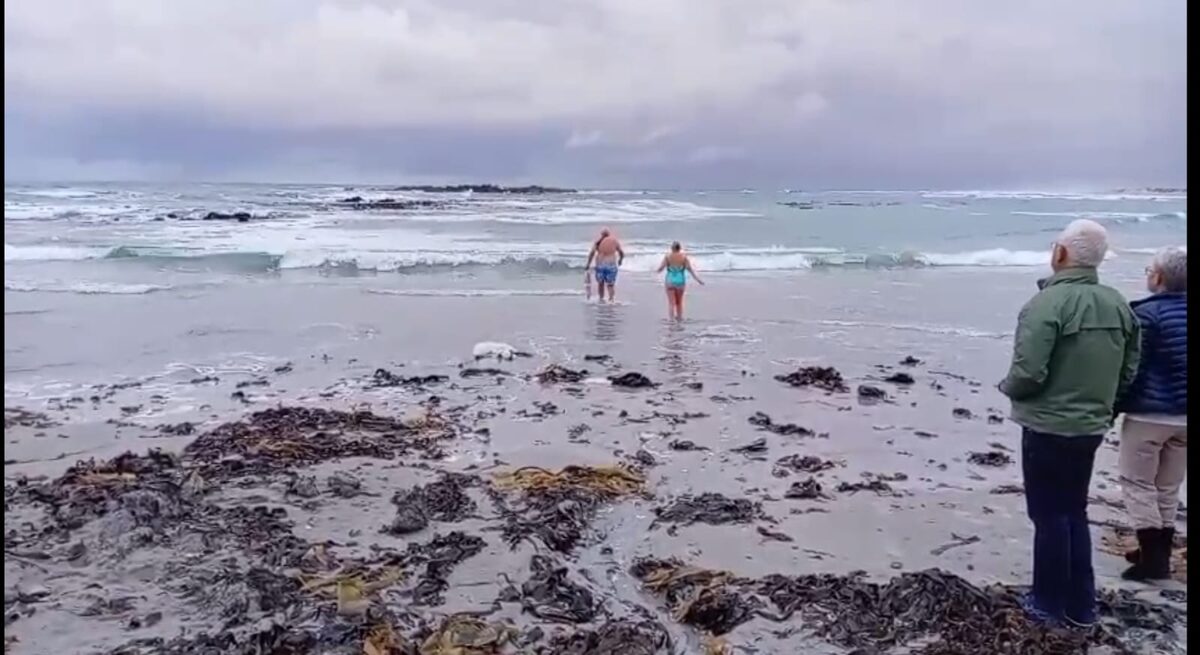
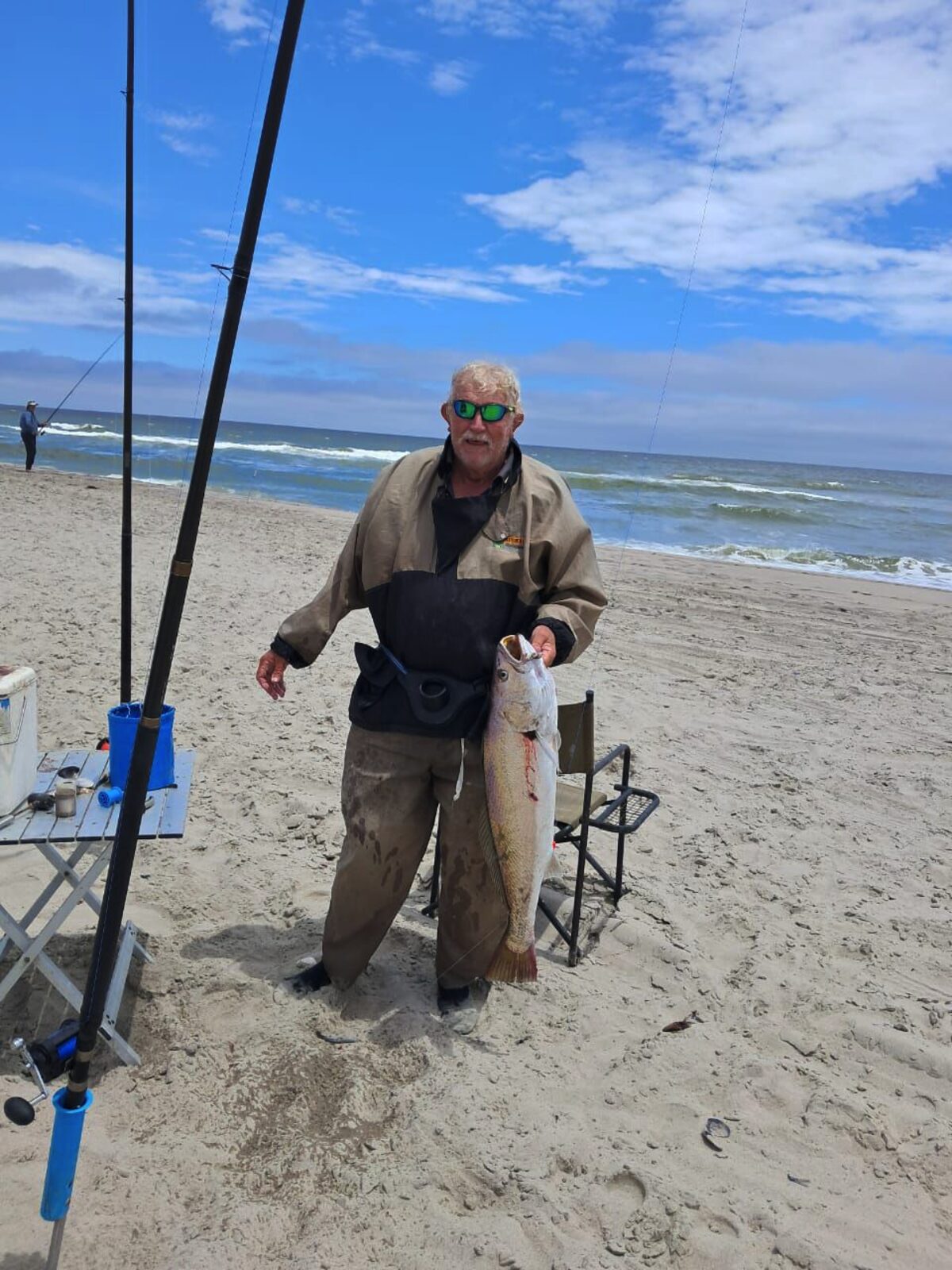
Rietveld, a retired diver, fisherman and lifelong Bloubergstrand resident, says the daily ocean plunges began when a few members of the local bowls club decided to start swimming together.
“A number of the guys from the bowls club decided to go for an early morning plunge,” he explained. “What started as just a fun thing ended up becoming a daily occurrence. We started in summer at half-past six in the morning and there were a number of other swimming groups as well.”
Although he no longer considers himself a serious swimmer, Rietveld says he still enjoys the routine and camaraderie of the ocean mornings.
“I’m part of what they call the bobbers,” he laughed. “I don’t really swim like I used to in the old days. I just go out and have an early morning dip.”
A lifetime spent around the ocean
Growing up in Bloubergstrand gave Rietveld a deep respect for the sea and an understanding of how quickly conditions can change.
“I know the conditions of Blouberg,” he said. “I’ve seen it from dead calm to very harsh conditions.”
He remembers the years when ski boats launched from the beach to fish around Robben Island, often returning through rough surf.
“In those days the boats would go out for snoek and sometimes the waves would pick up. Unfortunately, not all of them made it back safely,” he recalled.
Rietveld says years of diving, fishing and spending time in the water taught him how to read currents and avoid dangerous situations.
“I’ve never had formal rescue training,” he said. “It’s basically just experience from diving most of my life and growing up around the sea.”
First rescue near Blue Peter
The first rescue happened when another swimmer became trapped in a rip current near the Blue Peter side of Small Bay. Rietveld explained that a woman from another swimming group was actually the first person to notice the man in distress.
“She spotted him closer towards the Blue Peter side where there is often a rip current,” he said.
According to Rietveld, the swimmer had become stuck in the current and was clinging to seaweed while struggling to get back to shore. “The lady went out and assisted him back towards the shore where I then took over and helped him,” he said.
Rietveld stressed that others played the major role in that rescue. “They did the majority of the first rescue,” he added. “I assisted towards the end.”
Rough conditions spark concern
The second incident unfolded during rough weather conditions, despite repeated warnings from family members not to head down to the beach.
“My wife and daughter were very anti-me going down to the sea,” he admitted. “My daughter told me, ‘Dad, you’re not going out because the weather conditions were not good’.”
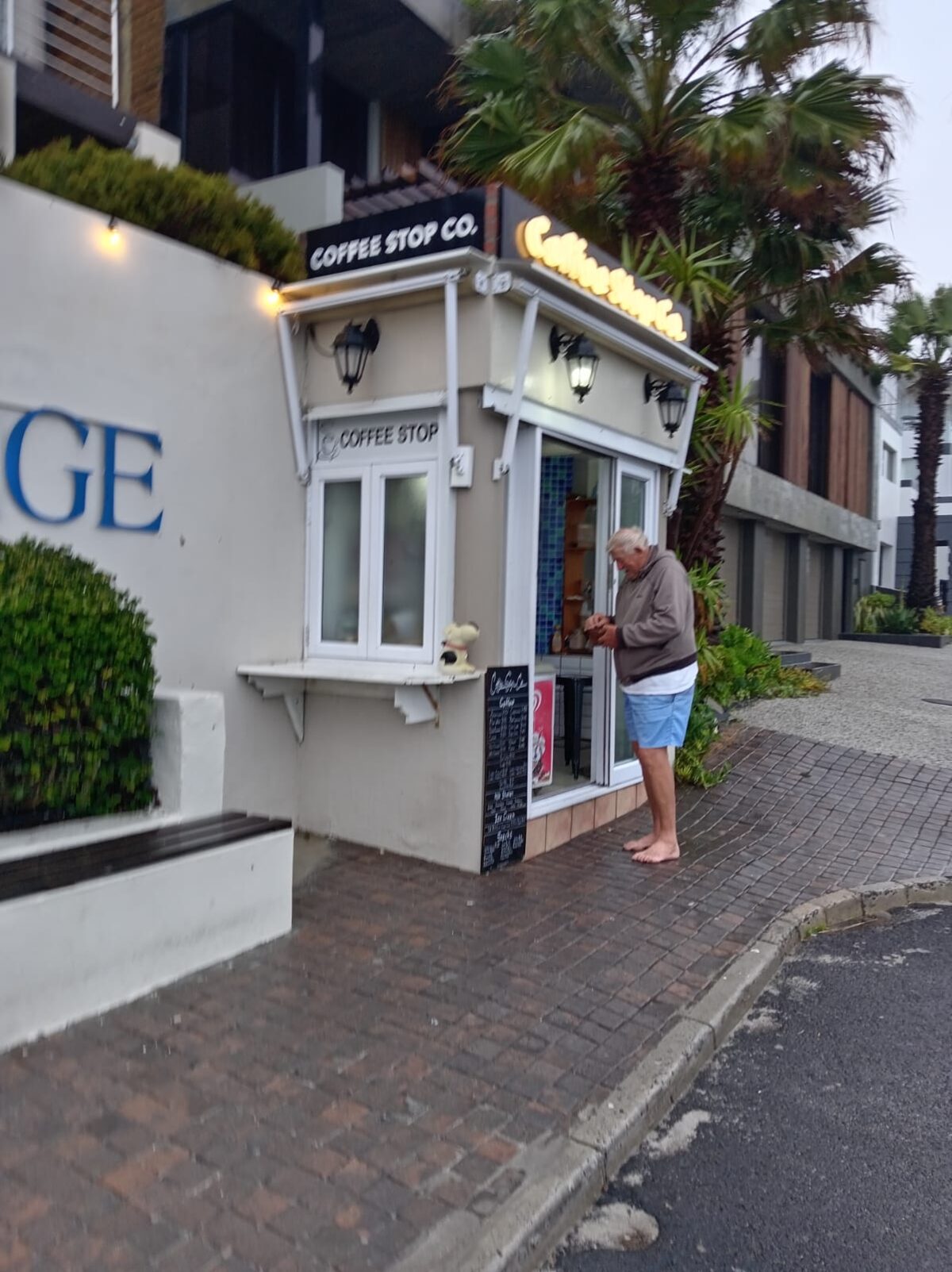
But Rietveld eventually decided to drive down to the beachfront with his son, taking along coffee while they watched the sea from inside the car.
“We were just sitting there drinking coffee when Sandy came out of the water and said to me, ‘Peter, Colin is in trouble’.”
The swimmer — the same man involved in the previous rescue — had become trapped in a rocky gully between seaweed and strong currents.
Fortunately, he had been carrying a flotation buoy fitted with a whistle.
“He’d apparently been there for quite a while,” said Rietveld. “When I heard the whistle, I realised he was in trouble.”
“There was no hesitation”
Rietveld immediately rushed to help and searched for the emergency number on a nearby sea rescue buoy, but could not find it. At the same time, he said his concern grew as the swimmer battled in the water. “I got more of a panic, not for myself, but because he was in real difficulty,” he explained.
Despite the dangerous conditions, Rietveld said he never hesitated before entering the water. “It was instinct to go out and rescue him,” he said.
Using the flotation buoy, and assisted by Sandy and later his son, Rietveld managed to help bring the struggling swimmer back to shore. “When we eventually managed to get him out of the current, Sandy helped me bring him to shore with the assistance of my son,” he said.
Once safely on land, the swimmer appeared disoriented and struggled to breathe. “We sat him down on the bench and brought him some coffee,” said Rietveld.
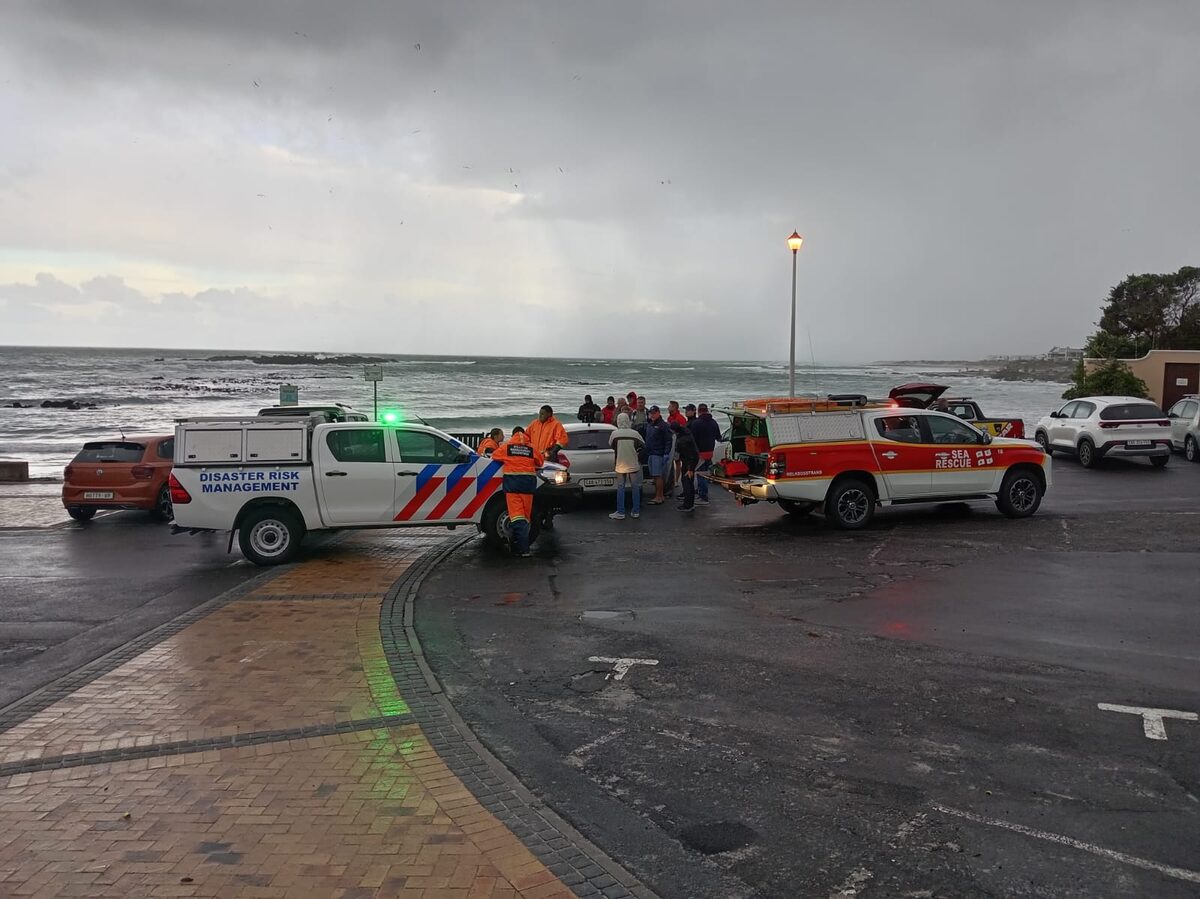
Emergency personnel, including NSRI crews, paramedics and community medics, arrived shortly afterwards to continue treatment.
Rietveld also personally informed the swimmer’s family that he was safe. “They were lucky to still have their father with them,” he said.
Respect the sea
Despite the praise he has received, Rietveld insists the real lesson is about ocean safety and respecting dangerous conditions.“You never try and fight against a rip current,” he explained.
“You either go with it or swim sideways out of it.”
He also urged swimmers never to enter the water alone and to make use of flotation devices. “Never swim alone,” he said. “That’s something I learned many years ago.”
Rietveld revealed he was upset to later see the same swimmer back in the water without his buoy.
“I was very cross with him,” he admitted. “I told him, ‘You don’t come into the water without your buoy’.”
While he admires the man’s passion and determination to remain active, Rietveld believes people must understand the risks they create for others when ignoring safety precautions. “Yes, he loves the sea, and I respect that,” he said.
“Sandy, who alerted me to Colin standing by to assist. She is the hero of the day. Without her Colin would not be here today,” he said.
All beach signage and Pink Buoys include the NSRI contact telephone details in bold print for easy visibility.
ALSO READ: Pink rescue buoys save over 100 lives