
A briefing to the Western Cape Standing Committee on Environmental Affairs and Development Planning has exposed the alarming scale of plant poaching, with more than 2,5 million indigenous plants seized since 2018, a figure that reflects only a fraction of the ongoing environmental crime.
“Since 2018, more than 2,5 million poached indigenous plants have been seized by law enforcement,” said Dave Bryant, MPP and DA Western Cape spokesperson on Local Government, Environmental Affairs and Development Planning, “yet this represents only a fraction of what is being stripped from our landscape by organised criminal syndicates.
“This industrial-scale theft is driving species to extinction in the wild and demands urgent, coordinated action.”
The presentation by CapeNature highlighted how the illegal trade in succulents and other high-value species had escalated into a sophisticated international criminal enterprise.
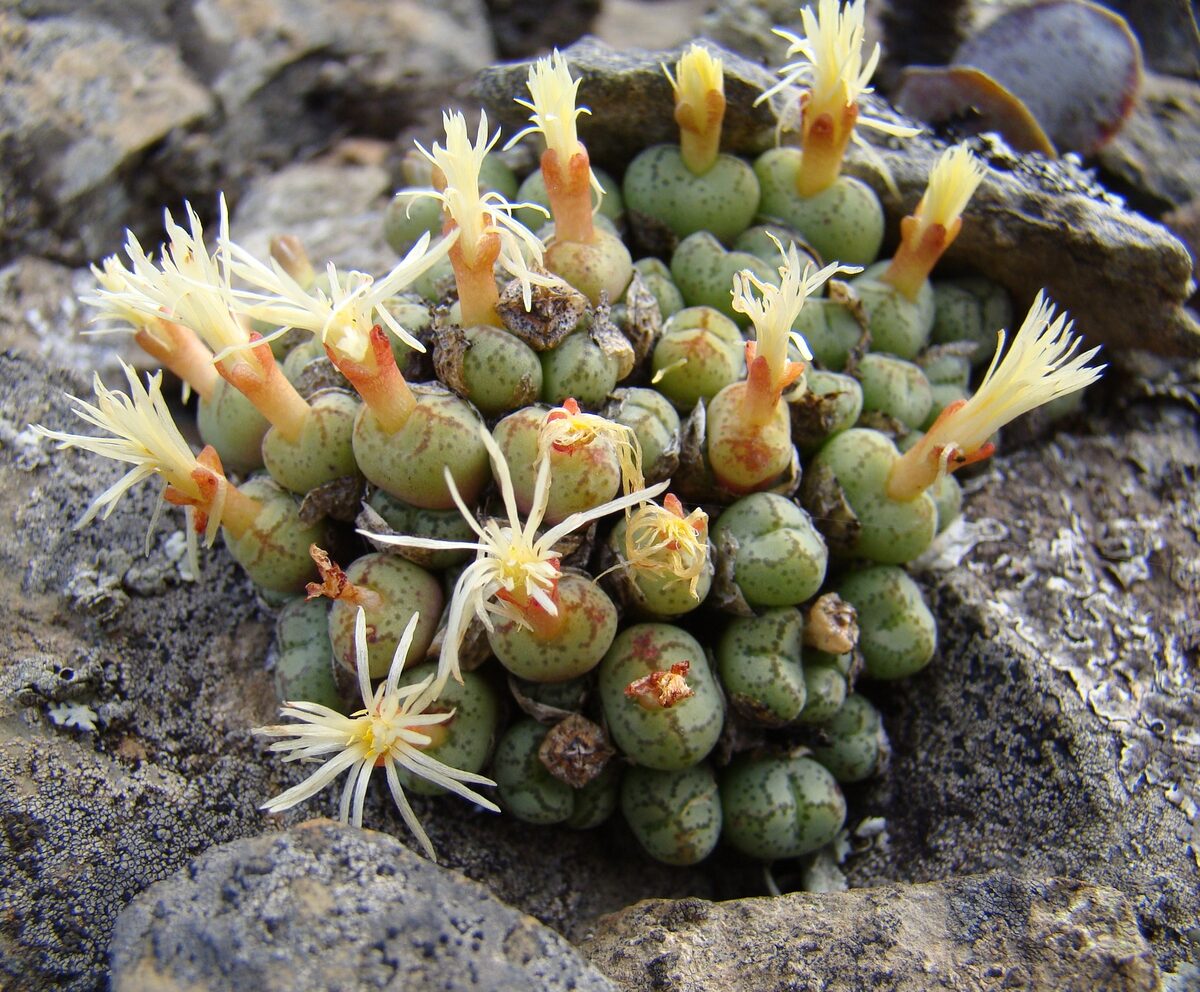
Seven species and two subspecies of Conophytum had already been lost in their natural habitats due to poaching, marking what officials described as an irreversible blow to South Africa’s biodiversity.
From collectors to criminal syndicates
What began as small-scale, opportunistic collecting by international enthusiasts has evolved dramatically over the past decade.
Before 2020, foreign collectors travelled to South Africa to source rare plants themselves. Today, organised syndicates rely on local intermediaries to recruit poachers and fulfil targeted “special orders” for rare species.
“These syndicates are highly organised and operate across provinces and borders, treating biodiversity as a commodity,” officials told the committee.
CapeNature identified global demand for rare ornamental succulents as a key driver of the surge in poaching.
“More rare or unique means more valuable,” the presentation noted, highlighting how online platforms enable illegal trade to flourish.
At the same time socio-economic pressures are making local communities vulnerable.
“Poaching is seen as low-risk and high-income, quick money for short periods in the veld,” CapeNature said.

Extinction unfolding in real time
The environmental consequences are already severe, CapeNature told Nova News. “Seven species and two subspecies have been poached to extinction in the wild since 2020.”
Monitoring has shown drastic declines in plant populations, with large portions of the Conophytum genus now critically endangered.
Authorities warned that plant poaching is linked to broader organised crime.
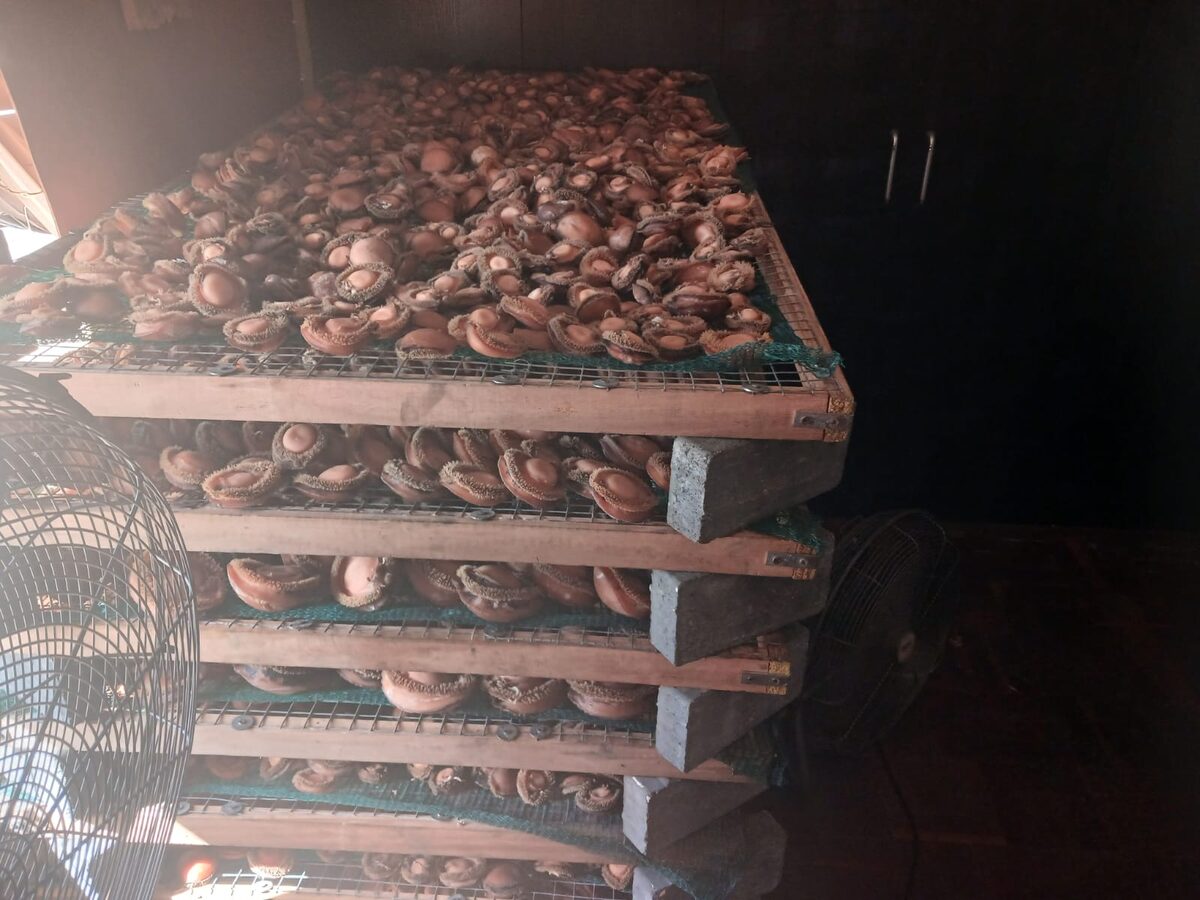
“Syndicates involved in succulent poaching are also linked to abalone, rhino horn, ivory smuggling and drug trafficking,” the briefing revealed.
High-value species such as Clivia mirabilis are being smuggled through the Limpopo border disguised as common agricultural products, such as sugar cane, to reach international markets where they can fetch 10 times their local value.
“These syndicates operate with precision, often deploying groups of 75 to 150 poachers in a single night, treating our province’s unique biodiversity as a common currency for organised crime,” Bryant said.
Law enforcement under pressure
Despite increased seizures enforcement agencies face significant constraints. “There is no dedicated investigation unit within CapeNature,” the organisation said, “and officers are required to perform multiple functions.”
CapeNature highlighted interventions including improved camera networks, K9 units and inter-agency collaboration.
“Good cooperation with law-enforcement agencies and international partners is key.
“CapeNature together with our partners are slowly but surely winning the Green Gold War.”
However, Bryant stressed that stronger action was needed, calling for a coordinated, government-wide response to protect the province’s biodiversity from further irreversible loss.
“To combat the severe manpower shortages facing rural units, there is a need for the expanded use of technology as a force multiplier. Drone programmes in the City of Cape Town have already proven their efficacy, demonstrated by the successful tracking of poachers across vast distances, from Robben Island to their landing points in Hout Bay at night. By using fixed-wing drones and real-time surveillance we can bridge the current enforcement gaps and provide wide-scale protection for our most vulnerable ecological zones.”
READ ALSO: Nine suspected poachers arrested in high-tech operation near Robben Island