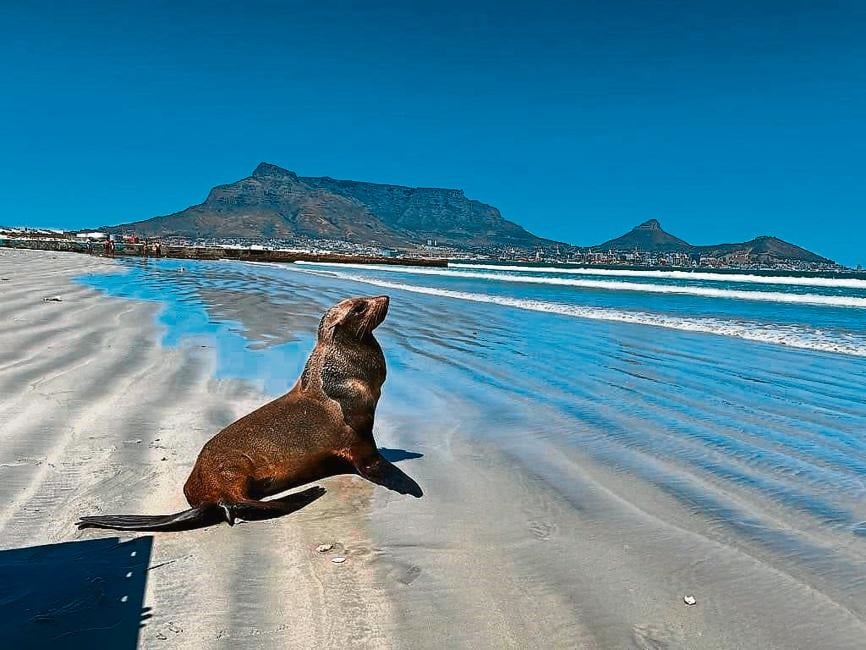

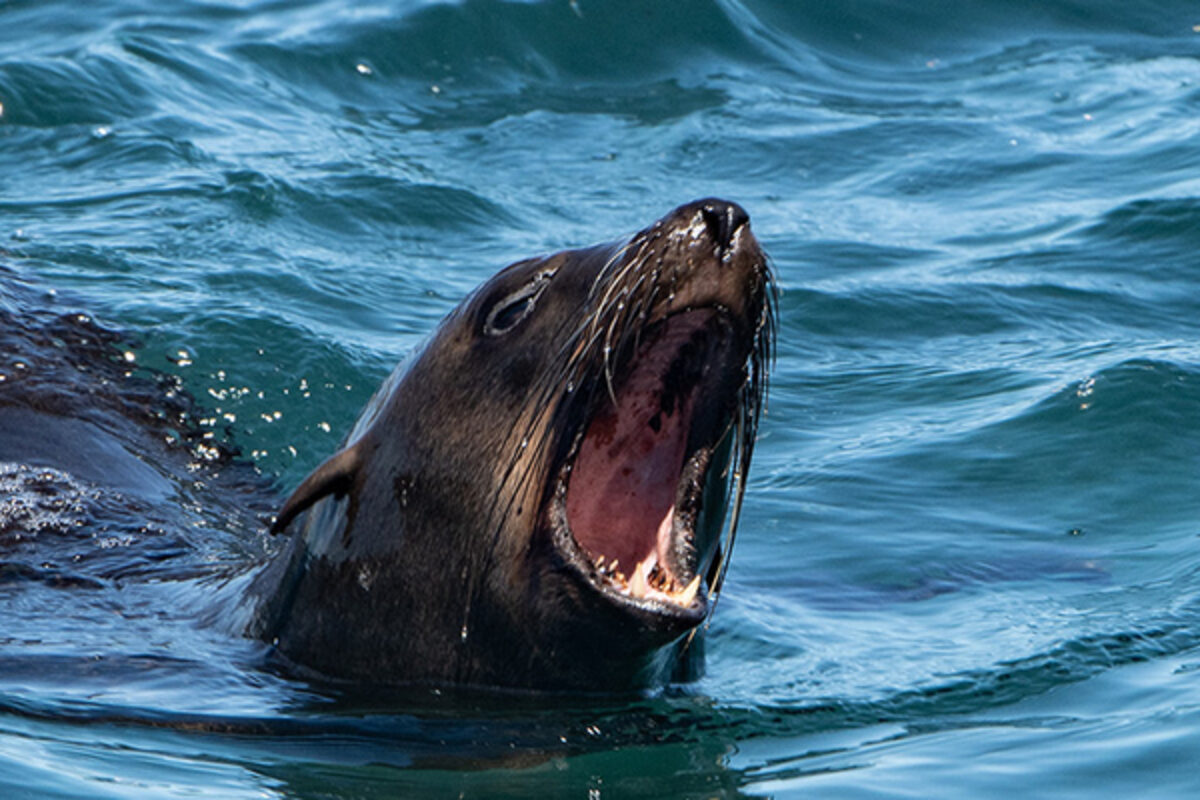
Cape fur seal populations along Cape Town’s coastline are under increased scrutiny as authorities respond to a growing number of rabies cases, prompting urgent calls for public awareness and caution.
While encounters with seals have historically been peaceful, recent behavioural changes in some colonies have raised alarm. According to Gregg Oelofse from the City’s Coastal Management department, more than 90 confirmed rabies cases have been recorded in local waters over the past two years — with the true number likely far higher.
“We know with certainty that the disease is now endemic in the Cape Fur Seal population,” he said, describing a pattern of a “slow burn with flares”. A recent flare-up has been observed in the Hout Bay area.
READ ALSO: Melkbosstrand beach open after Friday seal attack, authorities urge caution
Rapid response to protect public and wildlife
Authorities have prioritised swift, humane intervention when suspected rabid seals are reported. Following a recent incident involving kayakers in Hout Bay, officials tracked and euthanised the affected animal, with a second rabid seal later identified at Duiker Island.
The response forms part of a broader rabies management plan, including routine surveillance of seal colonies, clear identification protocols for symptomatic animals, and strict guidelines for euthanasia and testing.
High-risk groups – including veterinarians, wildlife workers and first responders – are vaccinated in advance, while beach safety teams are instructed to raise warnings or close access if aggressive seal behaviour is reported.
NSRI adapts operations
The National Sea Rescue Institute (NSRI) has adapted its operations to address the evolving risk while ensuring ocean safety.
Rescue crews are now equipped with specialised seal bite treatment kits containing flushing solutions, wound care supplies and clear treatment protocols. Volunteers are also advised to avoid in-water training in high-density seal areas and to remain alert for unusual behaviour.
Any suspicious activity is immediately reported to the City’s Marine Unit for investigation.
Melkbosstrand remains calm after incident
TygerBurger previously reported that Melkbosstrand Beach remains open despite reports of a seal attack last month.
Authorities confirmed that only one man was bitten in the incident. Emergency services responded swiftly, and the victim received immediate medical care.
No further incidents were reported, and the situation was stable by the following day.
Local ward councillor Paul Swart noted that some reports circulating online referred to older incidents and did not reflect the current situation.
Despite the beach remaining accessible, authorities urge beachgoers to remain vigilant when entering the water.
A history of seal-related incidents
Melkbosstrand and nearby Big Bay have experienced several seal-related incidents in recent years.
In November 2025, local surfer Hjalmar Larsen sustained multiple bite wounds while surfing at Big Bay and required anti-rabies treatment. He described the encounter as sudden and unprovoked.
A similar, though less severe, incident occurred in October 2024 during an open-water swim event, where a participant suffered a minor bite and was advised to seek medical evaluation.
Rabies risk and public health guidance
The National Institute for Communicable Diseases (NICD) has warned of potential rabies risks along the Western Cape coastline. Rabies is a serious viral disease that can be fatal if not treated promptly.
Transmission can occur through bites, scratches, or contact with saliva from infected animals – including seals.
Anyone bitten is urged to seek immediate medical attention. Treatment, known as post-exposure prophylaxis (PEP), may include a rabies vaccine and immunoglobulin, depending on the severity of the exposure.
Authorities advise the following precautions:
- Wash any bite or scratch thoroughly with soap and water immediately.
- Seek urgent medical care at a hospital or clinic.
- Avoid approaching or interacting with seals.
- Keep pets under control and ensure vaccinations are up to date.
- Report unusual or aggressive animal behaviour to the State Veterinary Office.