

Provincial and municipal leaders meet to strategise in wake of foot-and-mouth and water insecurity
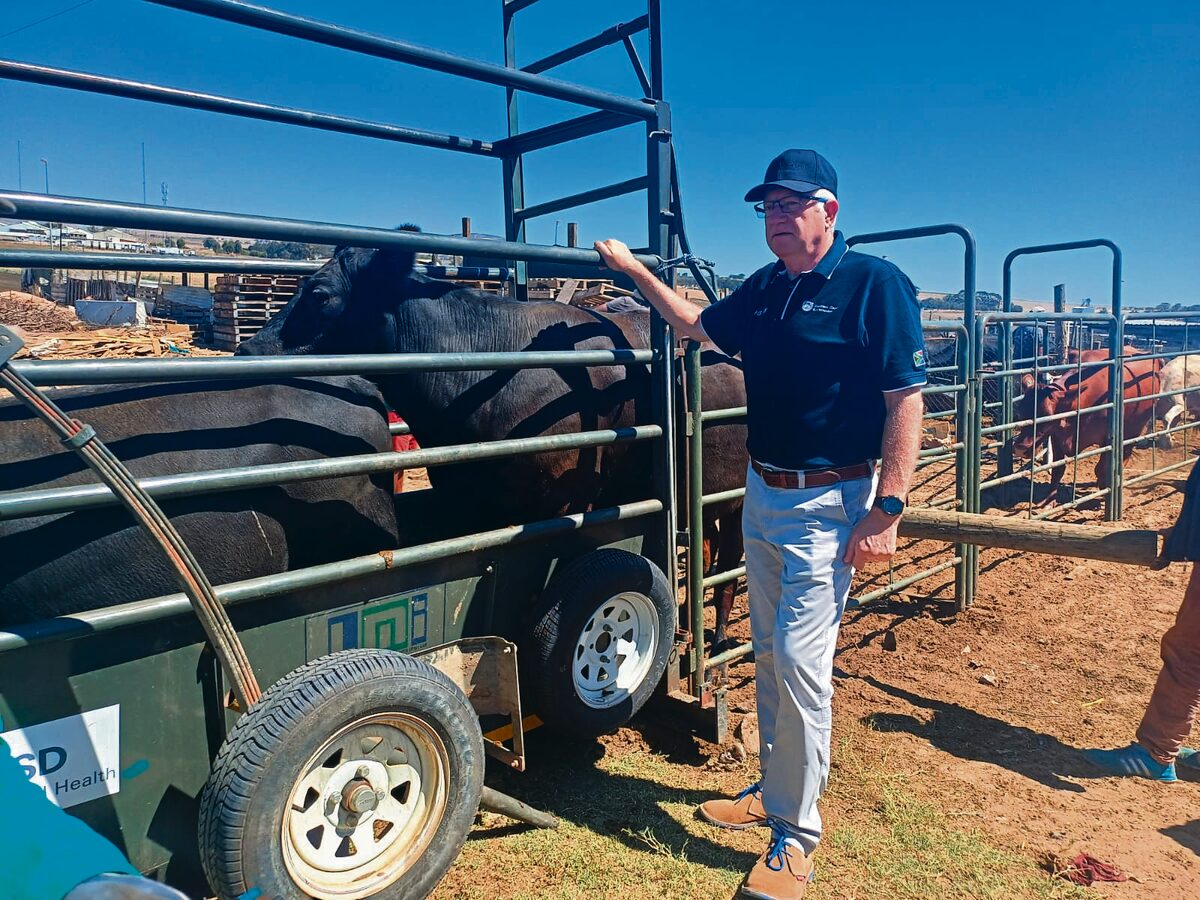
CAPE TOWN: Western Cape Premier Alan Winde convened a meeting with provincial and municipal leaders this week to address the ongoing foot-and-mouth-disease outbreak and water-security issues affecting multiple areas across the province.
The Premier’s Coordinating Forum focused on coordination efforts between the different levels of government as both challenges continue to impact the region.
Disease response expands
The province has now administered 41 019 vaccine doses at 239 sites in response to the national foot-and-mouth outbreak. Twenty-nine private veterinarians were now involved in vaccination efforts, with additional vaccine supplies being sent to the Western Cape.
Authorities were preparing awareness signboards to inform farmers and the public about disease risks and prevention measures.
The provincial government renewed calls for provinces to be allowed to procure their own vaccines, arguing this would improve response times. Officials also want the national Department of Agriculture to implement a livestock-movement permitting system before the Easter weekend.
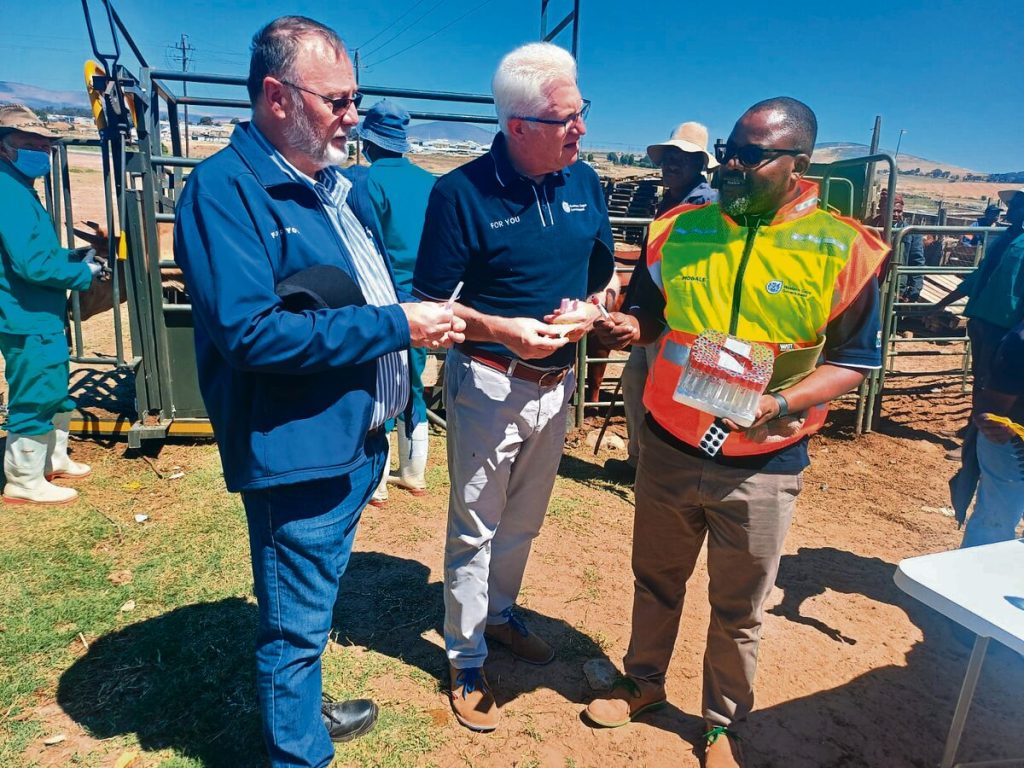
“Managing the movement of livestock is essential to preventing further spread of the disease,” Winde said.
Provincial departments are working with municipalities to monitor livestock movement and conduct enforcement operations on key transport routes.
Provincial Agriculture Minister Dr Ivan Meyer acknowledged the work of veterinarians, technicians, farmers and municipal officials involved in the response efforts.
Water-supply concerns persist
Several municipalities continue to face water security challenges, prompting discussions about infrastructure investment and long-term planning. While areas including Swellendam and Laingsburg have received rainfall in recent days municipalities are being urged to maintain water-saving measures.
Winde said continued investment in water infrastructure remained necessary, along with consideration of water reclamation and desalination as longer-term options. The province’s Water Resilience Strategy is being implemented across local governments.
“We are working closely with municipalities to develop appropriate responses to ensure that localised challenges do not escalate into a broader disaster,” Winde said.
Infrastructure damage reported
Winde condemned vandalism and theft of water infrastructure in parts of the province, stating that such incidents affect municipalities’ ability to provide water services to residents.
“Those responsible must face the full might of the law,” he said.
Both the disease outbreak and water challenges require ongoing coordination between provincial, municipal and national government departments, according to officials. Agriculture is a significant economic sector in the Western Cape, making disease containment efforts particularly important for the regional economy.


You must be logged in to post a comment.