
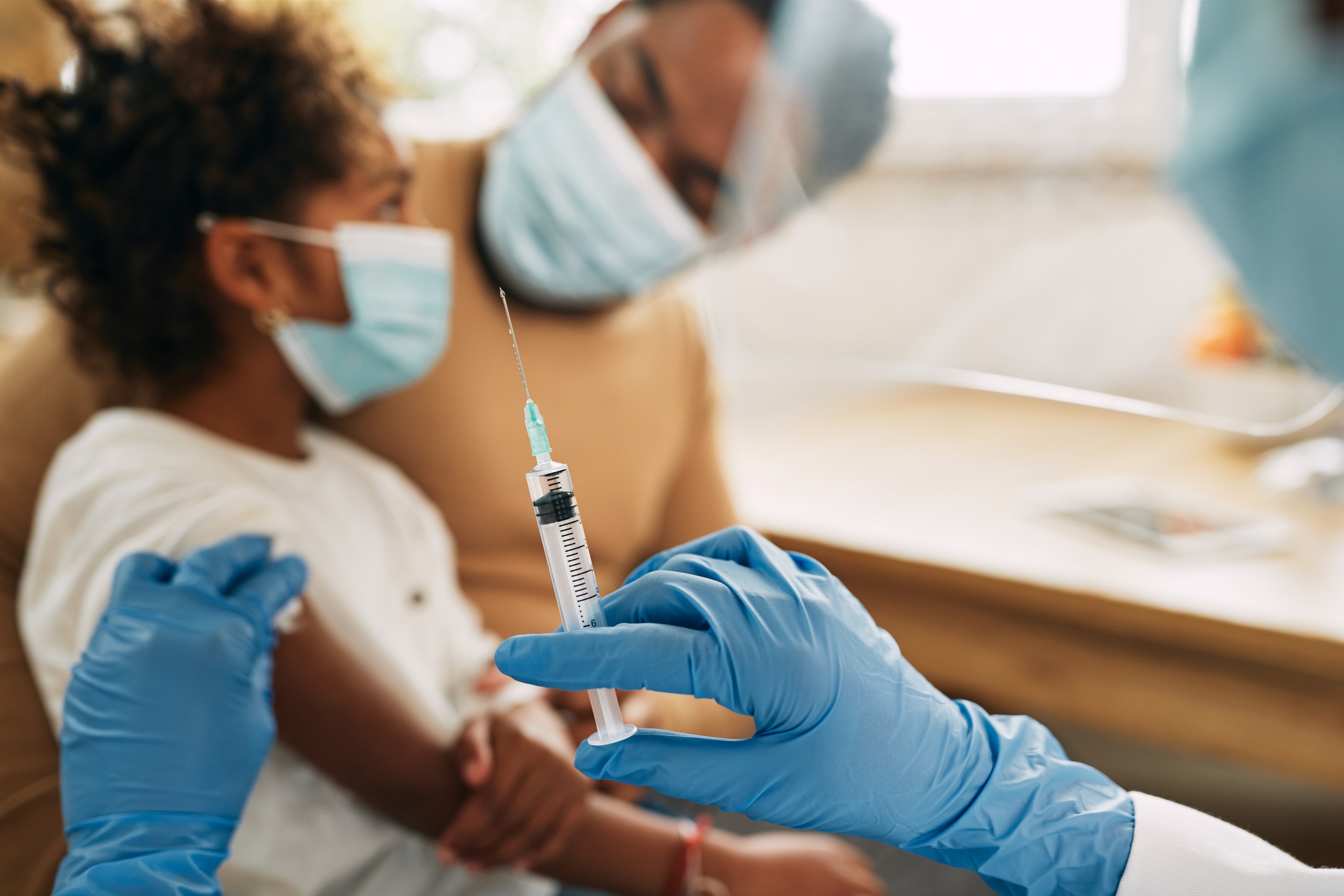
The Provincial Department of Health and Wellness is urging parents to have their children vaccinated against meningococcal meningitis, if possible.
A total of 11 confirmed meningococcal disease cases — including one death — has been confirmed in the Western Cape since 1 January up to 22 February this year, according to a media release issued by the department yesterday.
Of these 11 cases eight were recorded in Cape Town, two cases in the Cape Winelands, and one case in the Overberg district,” said a spokesperson for the department. “The ages of the majority of reported cases were below the age of one year. These cases are sporadic and do not constitute an outbreak. The department is closely monitoring meningococcal meningitis cases in the province as part of its ongoing public health surveillance.
“The department is also managing a measles and diphtheria outbreak because of declining childhood immunisation rates population immunity gaps in the province. We are monitoring disease surveillance data to identify trends, clusters, outbreaks and areas that must be prioritised for target vaccination or outreach.”
Meningococcal meningitis
Meningococcal meningitis is caused by the bacterium Neisseria meningitidis. “The disease is severe but is uncommon,” the department pointed out. “It spreads through fine droplets released during speaking, coughing, or sneezing. Anyone infection can become infected, especially in situations of overcrowding or close contact such as schools, crèches, hostels and student residences.”
Common signs and symptoms include:
- Sudden onset of fever
- Intense headache
- Nausea and vomiting
- Stiff neck
- Irritability
- Sensitivity to light
- A rash with small, dark red discolorations on the body
“Meningitis is a dangerous disease and can be fatal,” the department cautioned. “Parents should seek immediate medical attention if they or their child develop these symptoms.
“Meningococcal disease is endemic to South Africa, occurring all year round, with a peak from June to October. Infants are the most affected, followed by the 15 to 24 year age category.”
Meningococcal disease is a communicable medical condition on a several levels, and all laboratory-confirmed and clinically suspected cases are required to be reported, with timeous follow-up and provision of prophylaxis (antibiotics) to exposed close contacts. Anyone who has had close contact with a person diagnosed with meningococcal meningitis will be identified and supported by health authorities to ensure they receive the necessary preventative treatment and information.
“Certain strains of meningococcal disease can be prevented through vaccination,” the department said. “South Africa has registered meningococcal vaccines. Where available, both are recommended for people at higher risk. The meningococcal vaccine is not part of the national immunisation programme but is accessible at tertiary hospitals where it is offered to individuals identified as being at high risk for invasive meningococcal disease or privately when prescribed by a doctor.
Measles
“Measles cases are also rising, particularly in Cape Town, which reported 203 laboratory confirmed cases between since 29 December and up to 15 February this year.
Targeted measles vaccination began in Du Noon on 18 February and continues where clusters or outbreaks are identified, including the Eastern, Mitchells Plain, Northern and Tygerberg sub-districts. The department has activated its early warning and response system, strengthening outbreak coordination, surveillance, clinical management and community engagement,”according to the media release.
“Measles is a highly contagious viral illness that affects the respiratory tract. Symptoms include high fever, rash, runny nose, conjunctivitis, and coughing. Health-care workers can diagnose measles based on symptoms and confirm infection through laboratory testing.
“Parents are urged to look out for symptoms and keep children at home if they show any signs of illness. If a child has a fever, becomes unusually sleepy or struggles to eat, they should be taken to their nearest clinic immediately.
“Complications of measles can include pneumonia, diarrhoea, brain infection and blindness. These are more severe in infants under 2 years old and in malnourished children. The measles-rubella vaccine (MR) is part of the national immunisation schedule and is provided at age 6 months and 12 months, and catch-up doses can be given if a child has missed a vaccination.
Diphtheria
“Diphtheria is a serious bacterial infection caused by a toxin that leads to a thick coating at the back of the throat, making it difficult to breathe or swallow. It begins with a sore throat, mild fever and chills, followed by swelling of the neck and formation of the thick grey-white coating.
“The disease spreads when an infected person coughs or sneezes, and individuals can remain infectious for up to two weeks after symptoms begin. Prolonged close contact increases the risk of transmission.
“Immunisation is the most effective way to prevent diphtheria. Children should receive the diphtheria-containing (Hexavalent) vaccine at 6, 10, and 14 weeks; 18 months; and booster doses (Tdap) at 6 and 12 years. Anyone who is not vaccinated is at risk, regardless of age.”
Immunise to protect your child
Free childhood vaccines are available at all public health facilities and catch–up doses can be administered if a child has missed a scheduled immunisation. Immunisations are also available through private healthcare providers and public-private partnerships.
Immunising at this age is recommended worldwide because children have a strong immune response, making the vaccine most effective now.
Parents are encouraged to sign the immunisation consent form and to return it to their child’s school, and to attend clinic appointments for immunisation.
“We urge parents not to assume their children are immune,” a department spokesperson said. “Help us protect our children by ensuring they receive their routine immunisations and by signing consent forms when our school-vaccination teams visit.”