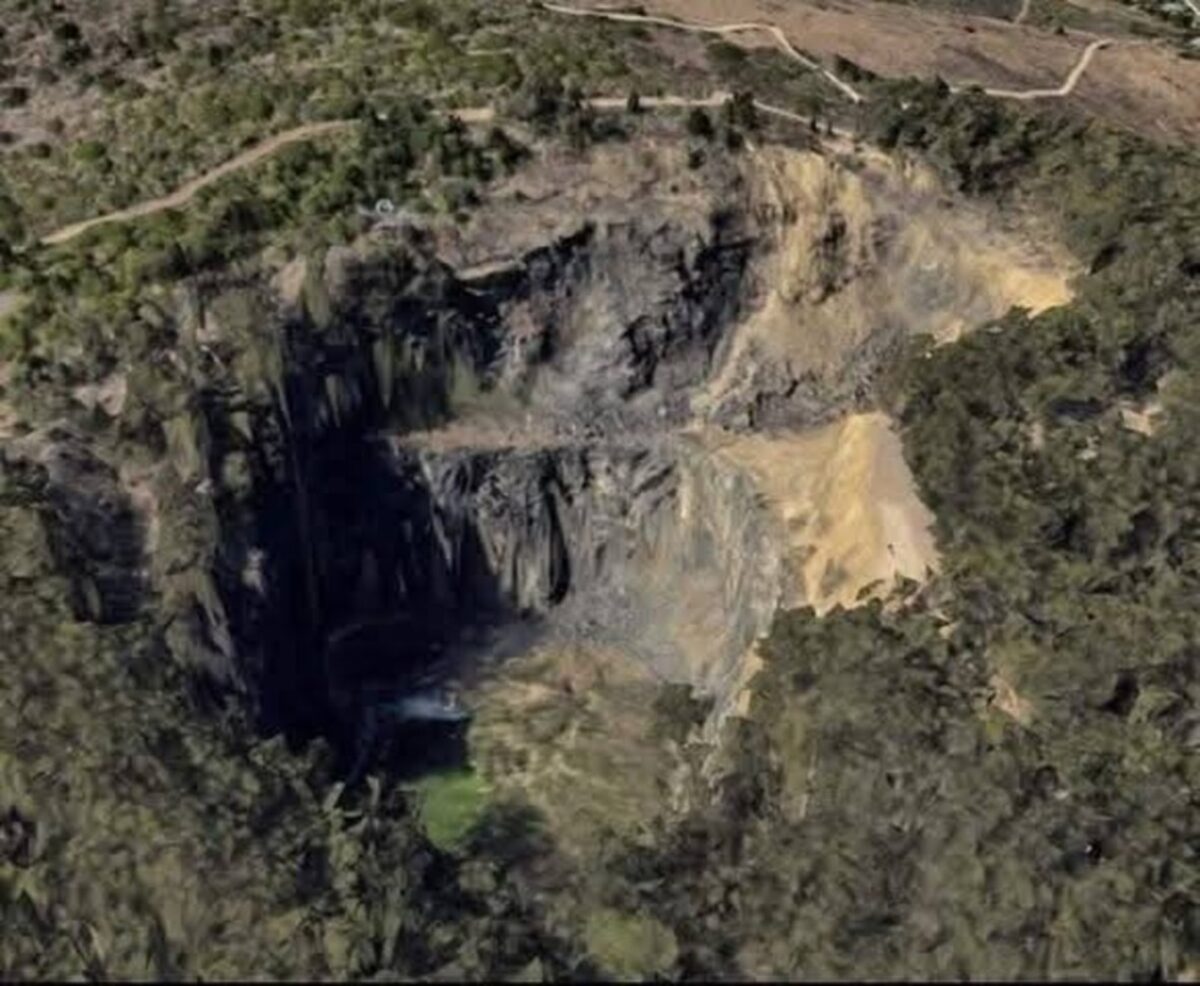

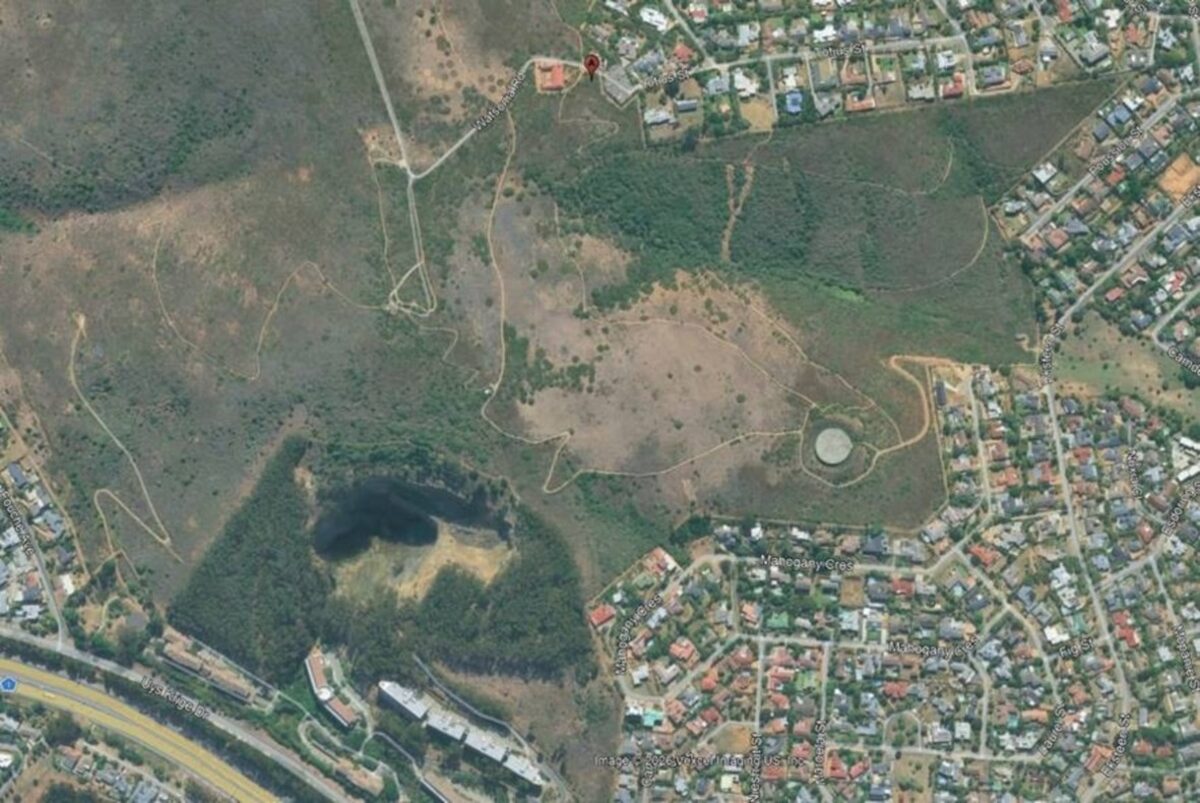
A prominent Cape Town environmental organisation has added its voice to growing opposition against the removal of historic trees at Tygerberg Quarry, proposing an alternative phased approach to address the City’s concerns whilst preserving decades of environmental screening.
TreeKeepers, which has a formal memorandum of understanding with the City of Cape Town, has written to Environmental Management questioning the wisdom of removing mature heritage trees that have screened the quarry scar for 70 years.
Clare Burgess, a professional landscape architect and chairperson of TreeKeepers, acknowledged that the waterwise gum trees are alien species but argued that their removal should be reconsidered given broader urban forest challenges facing Cape Town.
“This site is extremely inaccessible, and if viewed as a whole, is definitely part of the urban/natural landscape buffer strip and as such should be dealt with in a different manner,” Burgess wrote to city officials.
ALSO READ: https://novanews.co.za/tygerburger/residents-protest-tree-removal-at-historic-tygerberg-quarry-site/
The letter highlights mounting pressure on Cape Town’s urban forest, citing intense densification, polyphagous shot hole borer (PSHB) infestations, plant diseases, new solar panel installations, and the lack of a comprehensive tree replanting programme to compensate for losses since the 2018 drought.
TreeKeepers argues that removing the quarry’s mature trees compounds these existing challenges to the city’s already limited tree canopy.
High visibility site
Burgess emphasised the site’s visibility to thousands of daily N1 freeway users, noting that when the quarry was first created, it “caused a huge backlash in terms of its visibility and demands for screening or rehabilitation.”
The organisation questions whether removing trees that have successfully screened this industrial scar for seven decades serves the broader public interest, particularly given Cape Town’s need for shade in a city housing over 5 million people.
Rather than outright opposition to tree removal, TreeKeepers has proposed a pragmatic compromise: acknowledge the immense value of the existing gum trees and implement a phased approach where alternative screening is established before any trees are removed.
“Would a different approach to this issue be considered? One where the immense value of these gum trees is acknowledged for the work that they have done over the last 70 years?” Burgess asked in her correspondence.
The organisation suggests treating the site as part of an urban/natural landscape “buffer strip”—a concept also applied to South African National Parks land within city boundaries that considers various factors including fire breaks, people management, safety, and urban shade requirements.
This approach recognises that sites within metropolitan areas may require different management strategies than those applied strictly within nature conservation areas.
Broader policy context
The TreeKeepers intervention comes as the City develops a Green Infrastructure Investment Framework, with environmental partners recently meeting to discuss how such initiatives fit within Cape Town’s broader policy ecosystem.
The organisation’s formal relationship with the City through their memorandum of understanding lends additional weight to their concerns about the quarry tree removal programme.
City Environmental Management has not yet responded to the TreeKeepers proposal for alternative screening and phased tree removal.
The growing opposition from both residents and established environmental organisations suggests the City may need to reconsider its approach to the Tygerberg Quarry site. TreeKeepers awaits feedback on their compromise proposal, which could provide a path forward that addresses conservation concerns whilst preserving the historical screening function of the mature trees.