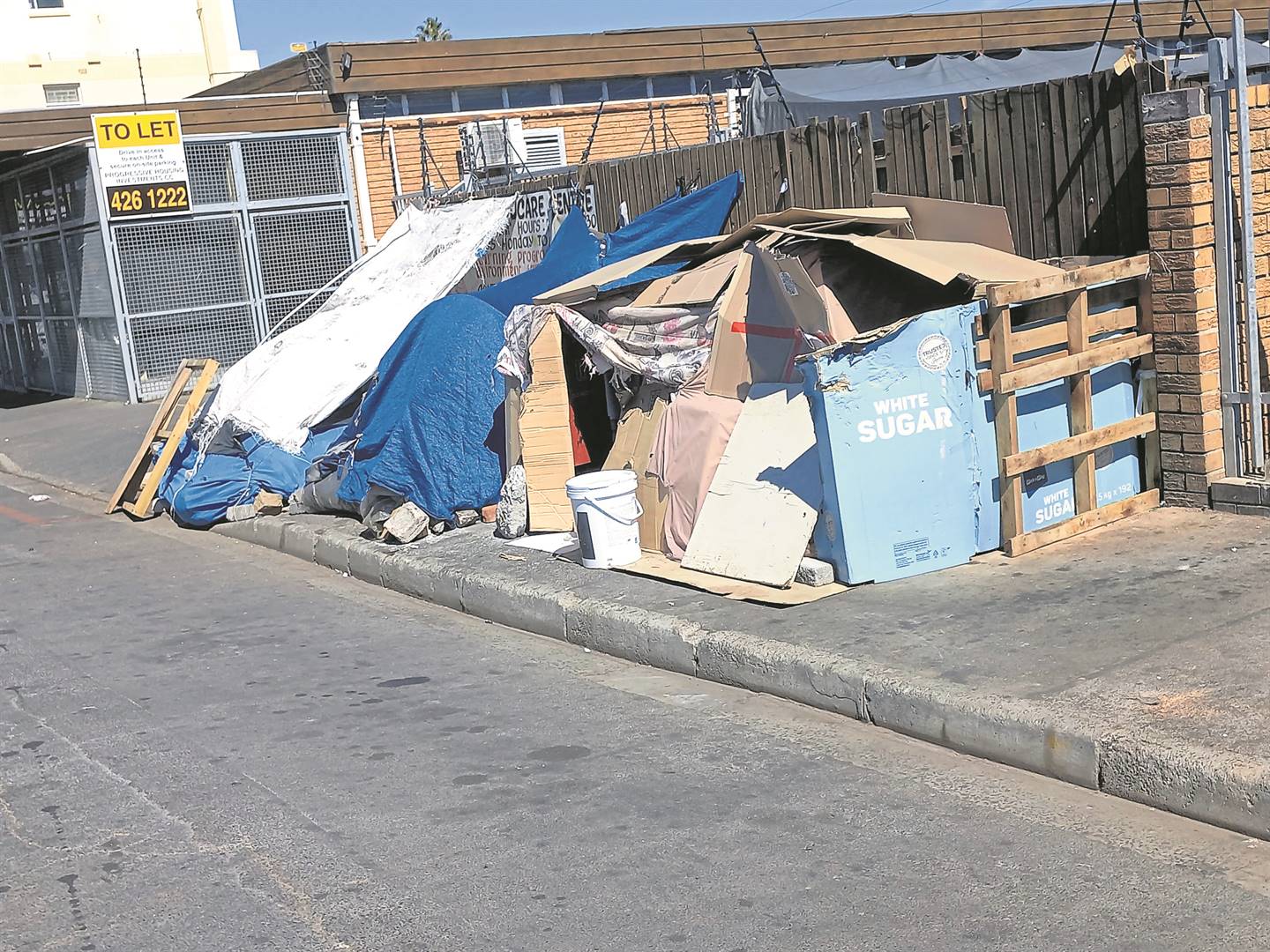


A new draft policy aimed at providing temporary emergency accommodation for eviction-related homelessness has been released for public comment following a Constitutional Court directive.
The draft temporary emergency accommodation policy was discussed at the Subcouncil 17 meeting at the Lentegeur administrative offices on Monday 16 February.
Court directive sparks policy development
Human Settlements representative Cassandra Gabriel told councillors the policy was developed in direct response to a December 2024 Constitutional Court judgement in the Chanel Commando case, commonly known as the Stop Bromwell Street case.
“The judgement found that the City lacked policy that guides the provision for emergency housing, in particular in response to eviction-related homelessness,” Gabriel said.
ALSO READ: Increase of trucks in traffic: City updates freight strategy
The court directed the City to develop a temporary emergency accommodation policy in line with the National Emergency Housing Policy and consistent with the findings of the judgement.
Limited scope addresses gap
Gabriel explained that the policy specifically addresses eviction-related homelessness, not other emergencies such as fires, floods or natural disasters, which are covered under existing national guidelines and funding frameworks.
“There is a disconnect currently within national policy and the funding framework for evictions in particular. The court found that the city must develop a policy to at least guide the process,” she said.
The policy was drafted by the Human Settlements Directorate in collaboration with the Legal Services Department and aims to provide a clear, lawful and consistent framework to guide the planning, implementation and management of temporary emergency accommodation interventions.
Public participation period
PR Councillor Anda Ntsodo supported the policy development, noting it addresses a current gap in municipal policy framework.
“This is a directive of the court. At the present moment, there is a gap. We don’t have this policy,” Ntsodo said.
The public can submit comments via email to HSpolicy.research@capetown.gov.za, through commenting boxes at sub-councils and libraries, or via the Have Your Say platform on the City’s official website.
The public participation period runs until 2 March.