

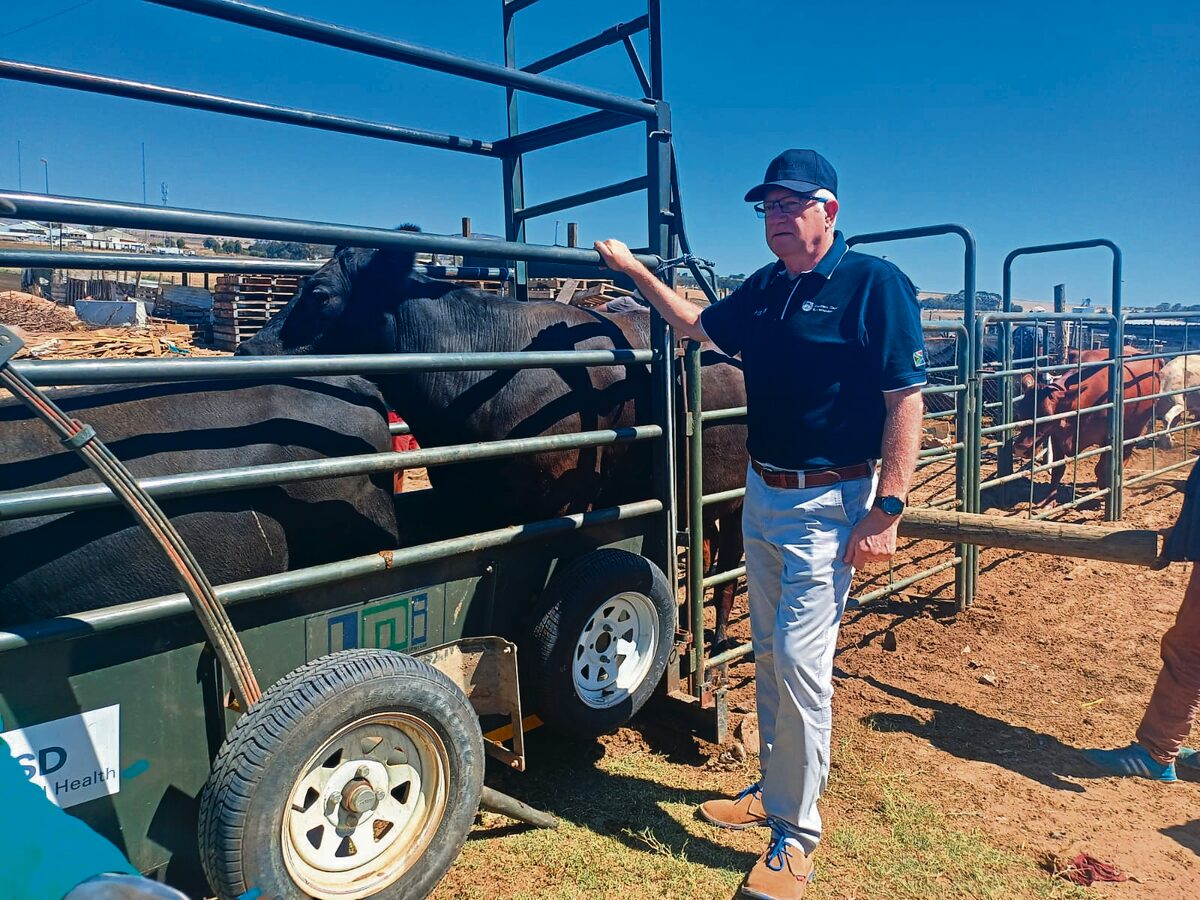
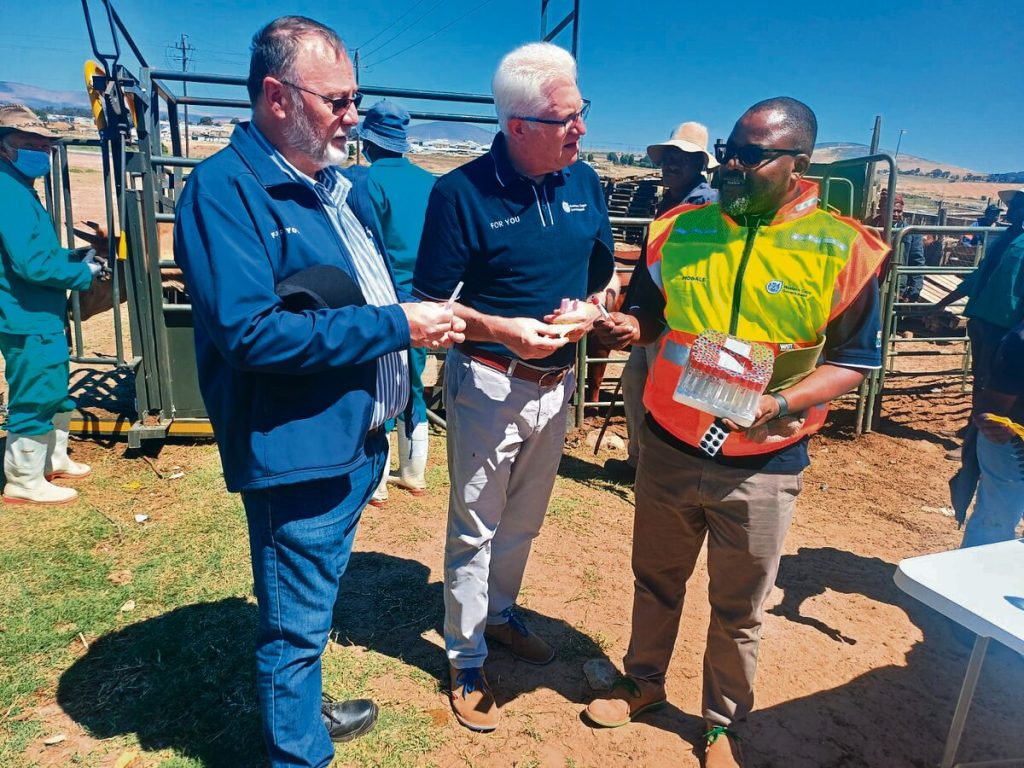
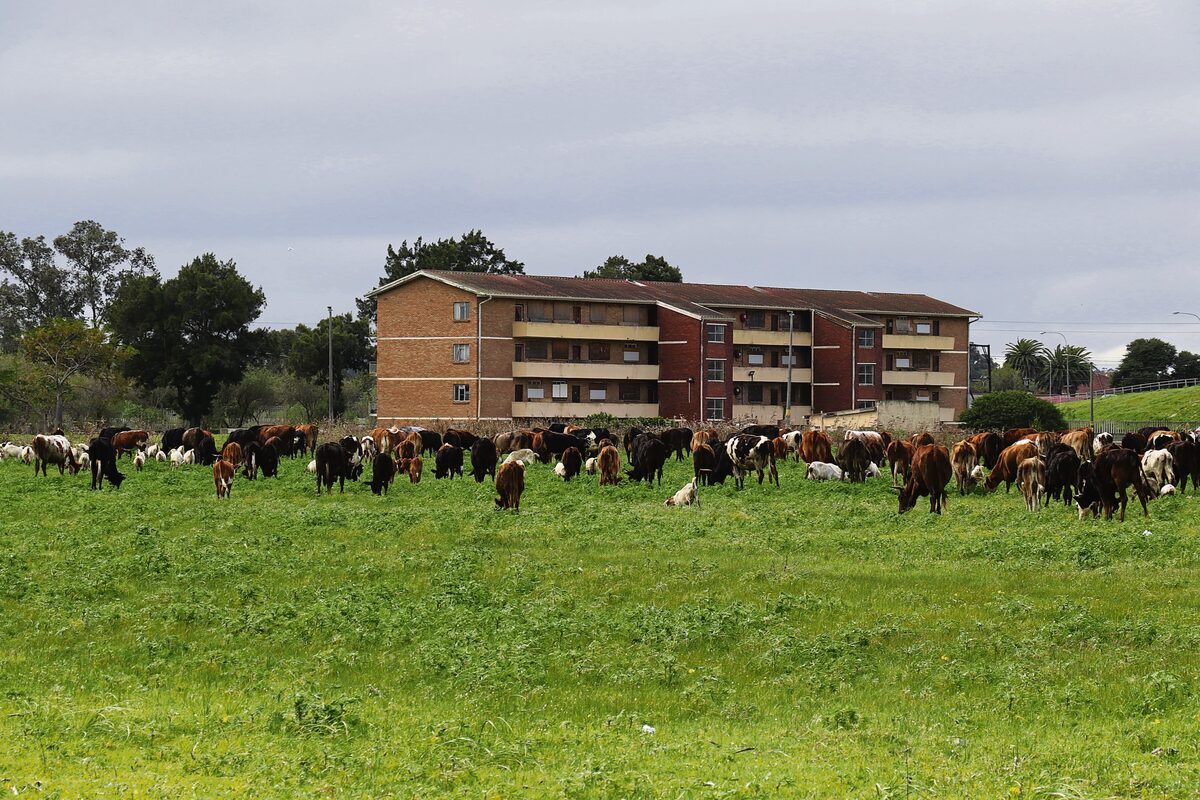
A total of 450 cattle were vaccinated against foot-and-mouth disease (FMD) in Fisantekraal on Sunday as part of a massive drive by the provincial government to safeguard the province’s R13,5 billion livestock sector, which employs thousands of people.
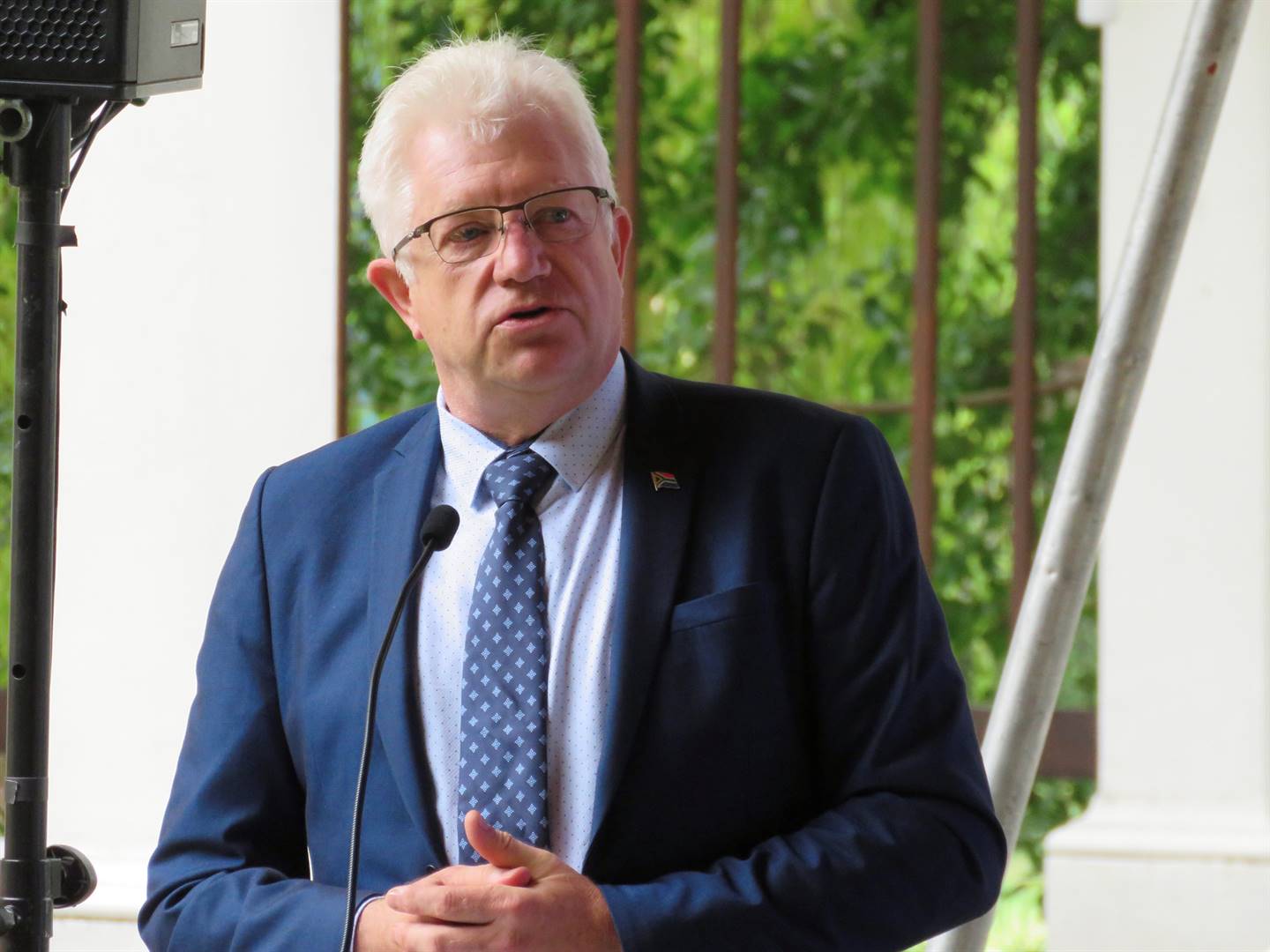
“This vaccination drive is a proactive step to protect cattle in this area,” said Western Cape Premier Alan Winde in a joint media release. “No cases of FMD have been detected in this Fisantekraal herd, but we are taking every precaution because we want to protect jobs and livelihoods.”
The vaccination drive was overseen by Winde as well as John Steenhuisen, national Minister of Agriculture, Dr Ivan Meyer, Provincial Minister of Agriculture, Economic Development and Tourism, and Anton Bredell, Provincial Minister of Local Government, Environmental Affairs and Development Planning.
“We will receive 200 000 vaccine doses over the coming weeks and push to vaccinate all high-risk herds,” Winde said. “The province will also request permission to procure its own vaccines.”
This came after Steenhuisen addressed concerned cattle farmers at a meeting of Durbanville Agricultural Association last Tuesday evening (see article on page …).
Eduard Loubser, chair of the organisation, said in his report foot-and-mouth remained the greatest single threat to the South African red-meat industry. “Every outbreak has an immediate and tangible impact on producer prices, market confidence and export opportunities. When export markets are closed larger volumes of meat are inevitably pushed into the local market, which places prices under further pressure, particularly in an economy where consumers are already financially under pressure.The impact of foot-and-mouth disease extends beyond just exports. Movement restrictions, auction closures and heightened biosecurity requirements increase costs and limit farmers’ management options.”
Cattle tagged
The vaccinated animals in Fisantekraal have been tagged for optimal identification, surveillance and monitoring.
Winde has requested that, in terms of the Animal Diseases Act, the National Department of Agriculture move all physical auctions online for 21 days and issue permit-control regulations for livestock movement.
Winde, Meyer and Bredell were to meet with Steenhuisen on Monday 16 February for an update on this request.
21-point response plan
This measure, along with the vaccinations, forms part of the 21-point response plan the Western Cape Government, together with its partners in the agricultural sector, have implemented to contain the national FMD outbreak in the province.
The 21-point plan includes:
- Movement control, including 24/7 border monitoring;
- Monitoring, surveillance and traceability, through on-the-ground rapid response from veterinary services;
- Protocols such as communication, bylaw enforcement, and contingency plans;
- Recovery involving cleaning operations and monitoring quarantine areas;
- Major roadblocks and vehicle monitoring are taking place on various roads across 13 municipalities, including at the provincial borders.
“This is part of a national crisis,” Winde pointed out. “We are working tirelessly to protect jobs and the agricultural economy. If you are transporting livestock or any materials used in the farming of livestock, you must take every precaution.”
Steenhuisen added: “This is a national emergency; we are fighting to save the livelihoods of thousands of farmers and the future of our agricultural exports. We need every single livestock owner to stand with us. Biosecurity is not a suggestion; it is our only line of defence. If you move animals without permits or ignore basic hygiene, you are putting the entire country at risk.
“I am asking all South Africans, please, to stop the illegal movement of cattle, report illness immediately and treat your farm boundaries like a fortress.”
Protect livestock
To protect livestock and the economy, livestock farmers and the public are strongly urged to adhere to these simple rules:
- Stop all illegal movements: Never move cattle, sheep, goats, or pigs without a signed health certificate and valid permits;
- Limit visitors to your farm: Anyone entering must use disinfectant footbaths and vehicle sprays to ensure they are not carrying the virus on their shoes or tyres;
- If you buy new stock keep them completely separate from your main herd for at least 28 days to ensure they are not carrying hidden diseases;
- If you see animals drooling, limping or showing sores on their mouths or feet, call your local state veterinarian immediately;
- Ensure fences are in good repair to prevent your animals from mixing with roaming herds or wildlife.


You must be logged in to post a comment.