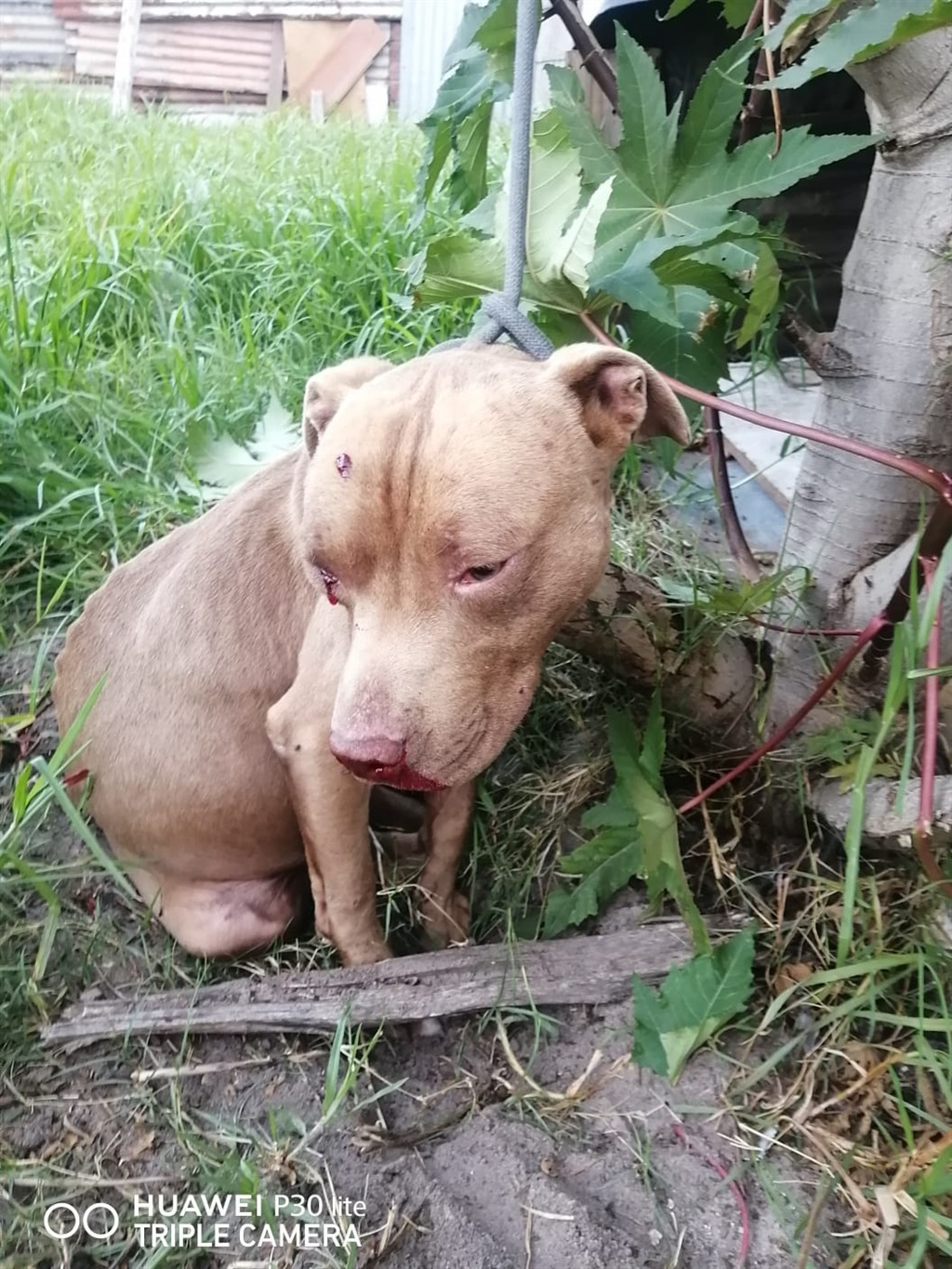

CAPE TOWN – A woman who was mauled by her pet pitbulls has died in hospital.
Spokesperson for police’s provincial media office, Capt FC van Wyk said that the Beacon Valley woman was attacked by her own dogs, in her yard, last month. She died from her injuries last week.
Van Wyk said police were called out to Maralize Street on Wednesday 28 January, in the afternoon. By the time police arrived, the woman, aged 44, had already been taken to hospital by private vehicle, he said. Neighbours told police that they had tried to get the dogs away from the women.
ALSO READ: Woman convicted of culpable homicide following fatal dog attack
She succumbed to her injuries on Tuesday 3 February.
“Both dogs were removed by the Law Enforcement Officers,” Van Wyk said.
Dogs put down
Beacon Valley ward councillor Solomon Philander said that there had been no prior complaints about the dogs.
He extended his condolences to the woman’s family and added: “This is a deeply painful and distressing matter, and the community is urged to allow the relevant authorities to complete their investigation before any conclusions are drawn. Speculation and misinformation at this stage only compound the pain experienced by the bereaved family and risk undermining due process.”
The SPCA’s Belinda Abraham said that the dogs had been put down.
She said the family had surrendered the dogs immediately after the incident for “humane euthenasia”.
Unregulated breeding
Abraham called the high number of unregulated breeding of power breeds in the City a “ticking timebomb”.
“Years of work at the frontline of animal welfare has taught us that aggression is not a breed or dog-type issue; it’s a people issue. Dogs behave according to how they’re bred, raised and handled,” she said.
She said that good breeding alone was not enough to ensure that dogs would not become aggressive.
“Accept that nature and nurture cannot be viewed in isolation and that you as a dog owner only have control over nurture,” she said.
Philander echoed this sentiment.
“It is important to note that a dog’s behaviour is largely influenced by how it is raised, trained, and cared for. Strong breeds require responsible ownership, secure properties, and strict adherence to the City’s animal by-laws,” he said.
Proper nurturing
Abraham advised that power breed owners nurture adequately by:
Subscribe to puppy socialisation classes with reputable dog trainers who use only positive reinforcement training methods.
Getting basic obedience training to ensure that a dog becomes a socially acceptable pet. “A dog that obeys recall and “take it”, “leave it” commands will be less likely to cause harm to other pets or people,” she said.
Spend quality time with their dogs. “Daily, our inspectors see dogs living on chains or confined to a small area of a property. These dogs, isolated from the family and visitors, lose coping skills, trust and tolerance towards people.”
Give them appropriate space and stimulation. “Children running past fenced-off dogs ‘tease’ them to the point of them being a tragedy waiting to escape. Barriers cause chronic frustration; dogs locked up in a courtyard, living on a chain or confined to small space, will express one of their instinctive strategies when given freedom, which is freeze, flee or attack. Keeping a dog in an environment where there is no visual, physical and tactile stimulation results in dogs with a very low threshold for human behaviour.
Punish dogs correctly. “Too often people hit their dogs for reasons the animals cannot understand. Being pet and hit by the same hand causes serious confusion and conflict within the dog’s mind. Human aggression often causes canine aggression and aversive training techniques, like the use of harsh punitive methods, choke chains, pinch collars, shock collars, alpha rolls, hitting, leash corrections etc., can lead to behavioural fallout and cause aggression.
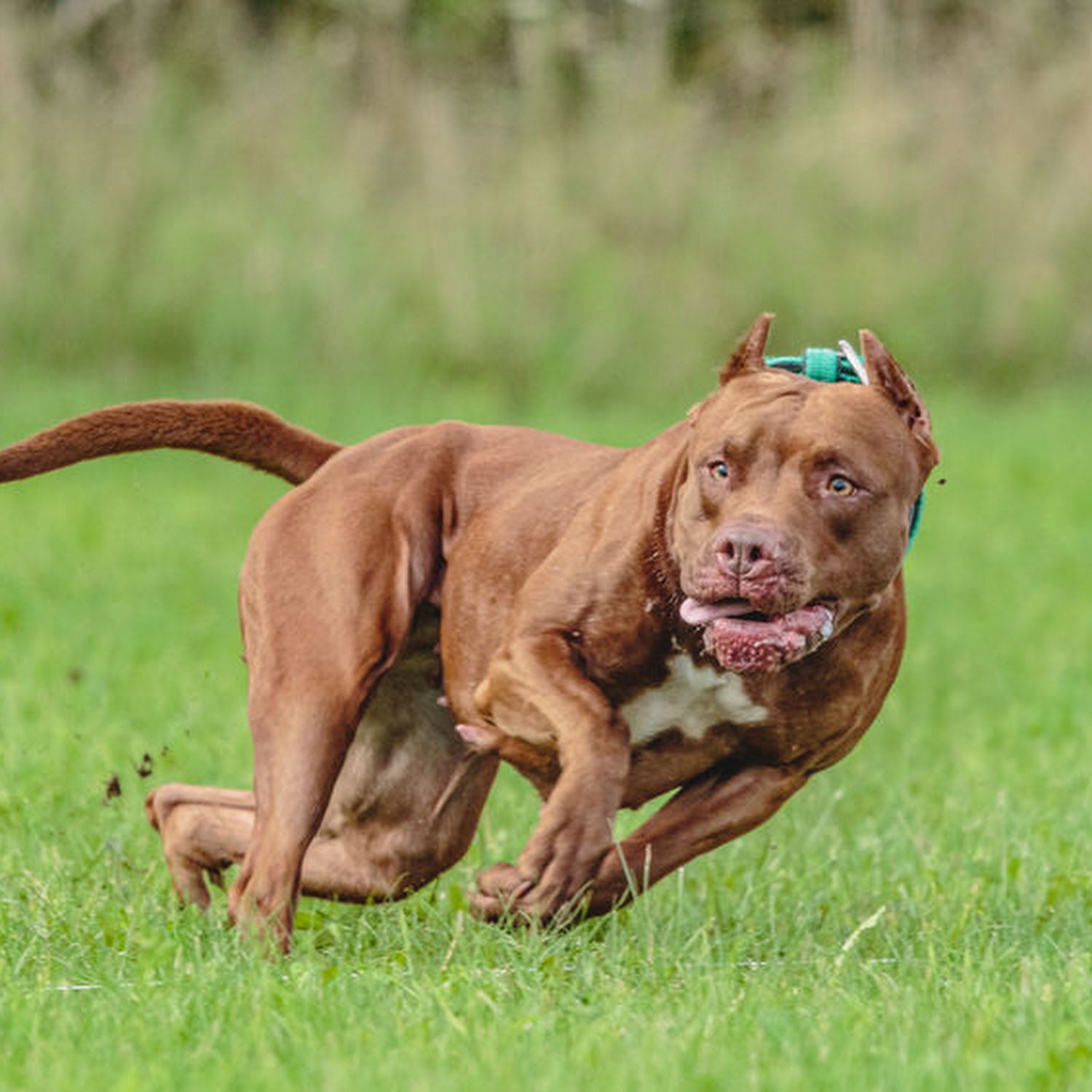
Abraham warned that pitbull are bred primarily as guard dogs and irresponsible breeders breed for aggression.
Responsible breeding
“A responsible breeder knows that aggression starts in puppyhood with the failure to develop tolerance towards children, adults, elderly people, both sexes, various races, able-bodied, disabled, calm or loud individuals etc. The impressionable period for pups is from as young as three weeks of age which means that a great deal of the responsibility for socialisation rests with the breeder.”
She warns: “Don’t take a puppy if you don’t know the temperament of the parents, even if it is given to you for free.”She concluded by saying that beating a pitbull who is attacking someone will probably only make the dog more aggressive.
“If you are witness to an attack of this nature, throwing cold water at the dogs, or startling them with a loud noise may give you enough time to place a barrier between the dogs and the person under attack.”
Philander added: “In response to calls for a ban on pit bulls within the community, I reiterate that while this incident is tragic, decisions must be guided by law and evidence, not fear. The emphasis should remain on enforcing existing legislation and promoting responsible pet ownership, rather than implementing blanket bans.