
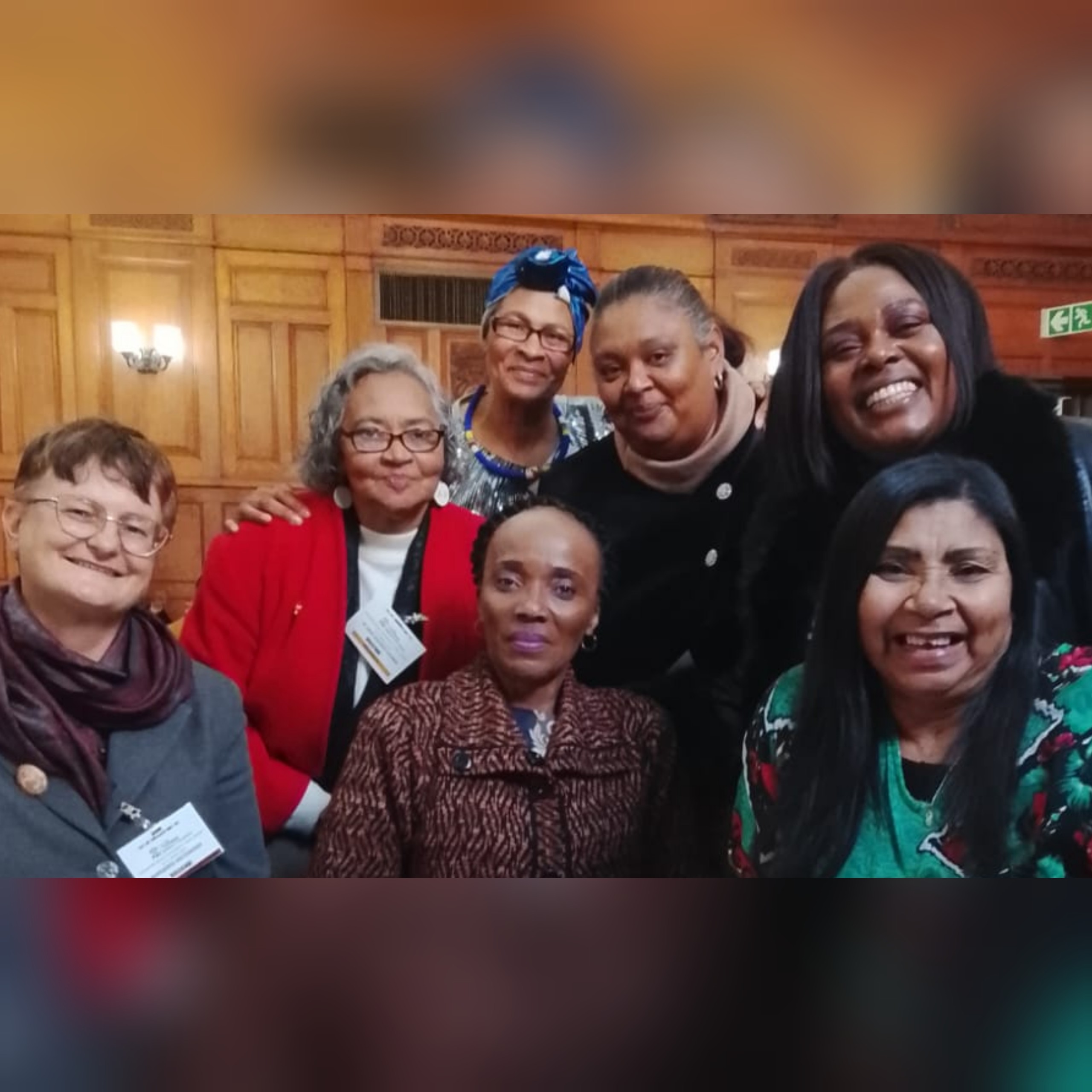
Three Kraaifontein women last week joined 150 women from across South Africa at the recent P20 Women’s Parliament in Cape Town, carry the voices of Kraaifontein into the institution.
Their message was simple: “Women in the Kraaifontein community don’t need more talk; we need action that changes our daily lives.”
Tanelle Welff-Dixon, Linda Solomon and Ruth Petersen were chosen for the two-day event in August, when women from all walks of life came together to tackle everyday issues.
“This was a platform for leaders, community workers and ordinary citizens to come together and speak honestly about the issues that affect us daily,” said Welff-Dixon, founder of the TWM Foundation, which is Kraaifontein-based.
Fair treatment of women
“We’re talking about safety, jobs, health, education and real equality.”
The year’s theme, of equality, sustainability and shared growth, was all about making sure growth and development in South Africa works for women. The national legislature was able to renew its commitment to gender equality, inclusive development and women’s empowerment.
Taking their seats in Parliament, the three Kraaifontein women pushed for real action against gender-based violence (GBV), with proper services that help survivors heal and stay safe.
They advocated for fair treatment for women at work, especially on farms and in informal jobs. They also called for better mental-health support in communities living with trauma as well as stronger family and child-protection services.
“Women in Kraaifontein know first-hand what it’s like to face gender-based violence, domestic abuse, corruption, gangsterism, unemployment and broken promises. Enough is enough.”
Faith communities play important role
Welff-Dixon said faith communities are among the strongest forces in the fight against these scourges. “Churches, mosques, temples and other places of worship can also be safe spaces where survivors are believed, helped and supported. They can run awareness programmes, give counselling, connect people to services and even work hand-in-hand with police and community leaders to stop violence before it starts.”
Welff-Dixon is also a member of the African Religious and Traditional Leaders Council (ARTLC) and inter-faith umbrella body that represents all major faiths in South Africa.
“Having faith and having the faith community step up plays a vital role in helping women and men overcome deep social problems like gender-based violence, femicide, domestic abuse, senior and child abuse, corruption and gangsterism… Government must do more than talk; it must deliver on its promises or risk losing the trust of the people.
“[Yet n]one of these problems can be solved by government alone. It takes all of us, faith leaders, police, NGOs, businesses and ordinary citizens pulling together.
“The role of the police is also critical. Without committed, honest officers on the ground, our women and girls will never truly be safe. And then there are the non-profits.”
Before the P20, Minister of Women, Youth and People with Disabilities Sindisiwe Chikunga spoke to women from civil society organisations, among them the TWM Foundation, which fosters justice and healing. In Women’s Month it visited De Waalshof farm in Stellenbosch to talk to women farmworkers about GBV, substance abuse and seasonal job insecurity.
. TWMF Foundation: email, info@twmfoundation.org.za