

Pet surrenders across greater Cape Town have skyrocketed by 43,7%, prompting the Cape of Good Hope SPCA in Grassy Park to launch an aggressive, proactive campaign targeting 10 000 animal sterilisations by the end of this year.
The alarming spike in surrenders forms part of a broader crisis detailed in the independent non-profit’s 2025-’26 Impact Report, according to spokesperson Belinda Abraham.
Stray surge
The Cape of Good Hope SPCA is an independent, non-profit organisation (NPO) based in Grassy Park serving greater Cape Town.
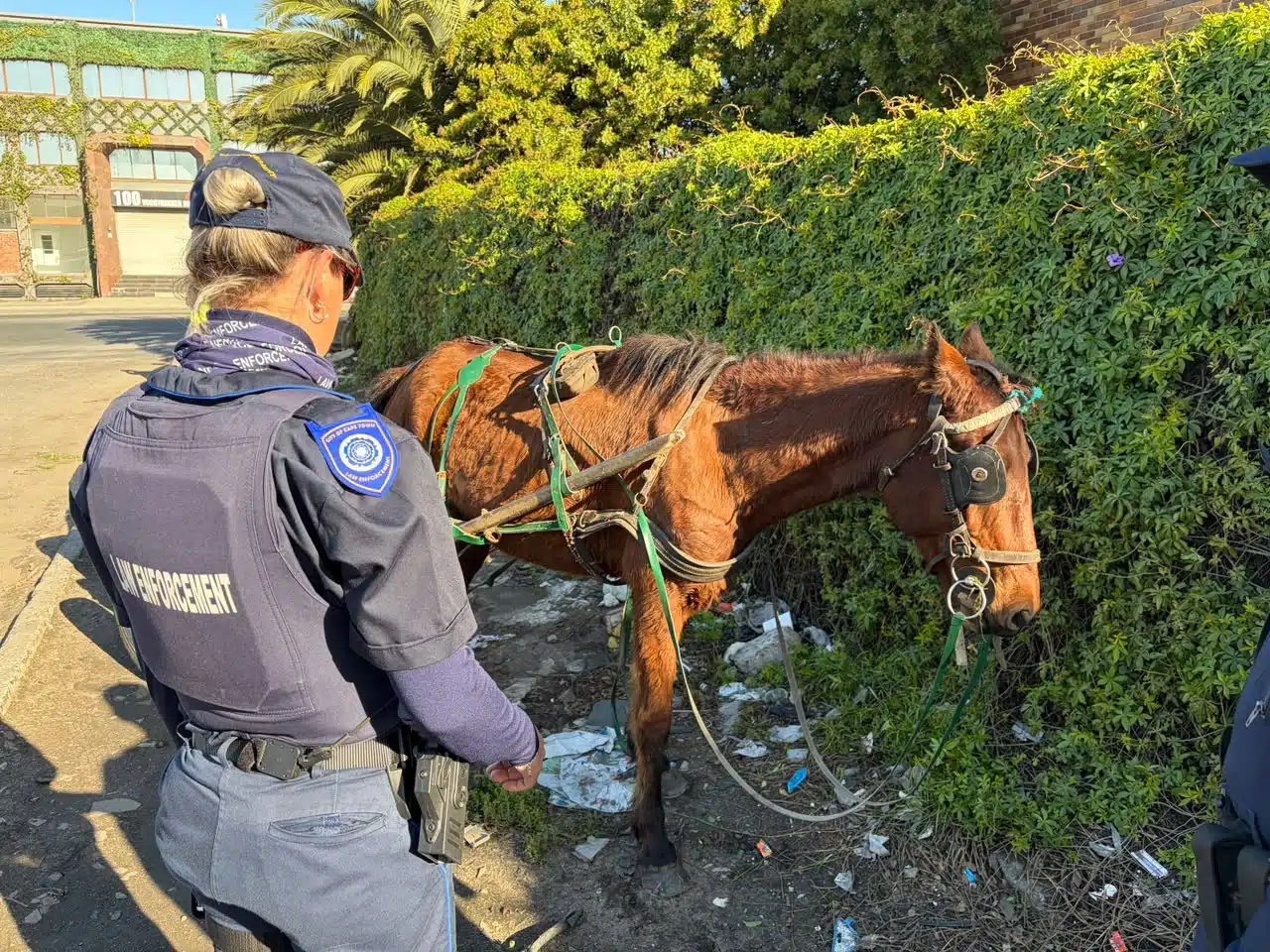
It operates the Cape Metropole’s only round-the-clock Animal Welfare Inspectorate, an animal hospital providing affordable veterinary care, mobile community clinics, and adoption and pound services.
Over the past financial year the total number of stray, surrendered and confiscated animals entering the SPCA’s care surged by 12,3% to 27 181 animals.
ALSO READ: Cape Town Fire and Rescue Service gears up for summer fire season
Compounding this strain, the SPCA Animal Hospital experienced a staggering 51,9% increase in patient volume, with 53 686 owner-brought pets treated compared to 35 332 the previous year, as local households buckled under severe economic pressure.
“When 27 181 animals are arriving at your doors, becoming better at taking animals in cannot be the answer,” stated Cape of Good Hope SPCA CEO Mqabuko Moyo Ndukwana.
“We have to employ an upstream strategy to change the conditions that will determine how many need us tomorrow.” In response, and ahead of World Animal Day on Sunday 4 October, the SPCA officially commissioned a brand-new, customised animal transport vehicle during a mass-outreach event in Elsies River.
Purpose-built vehicle
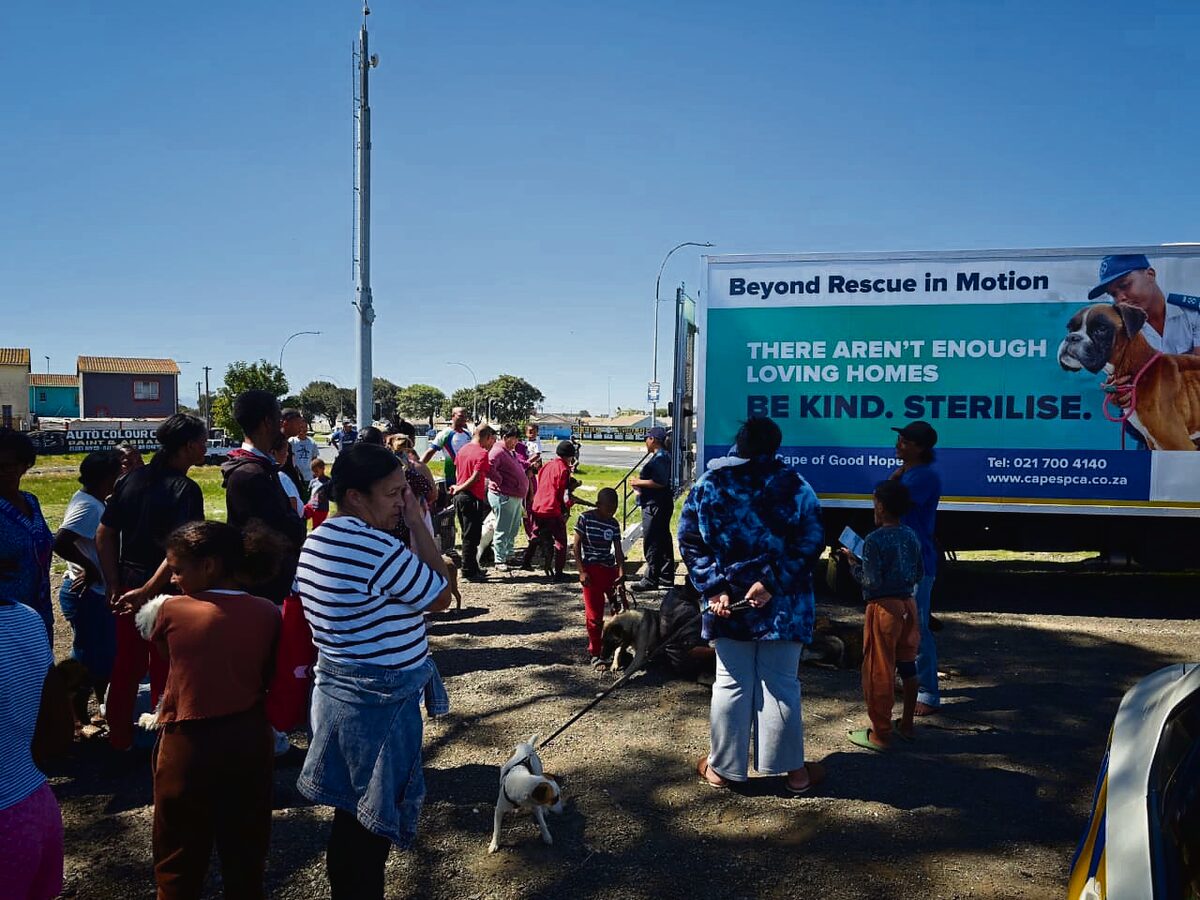
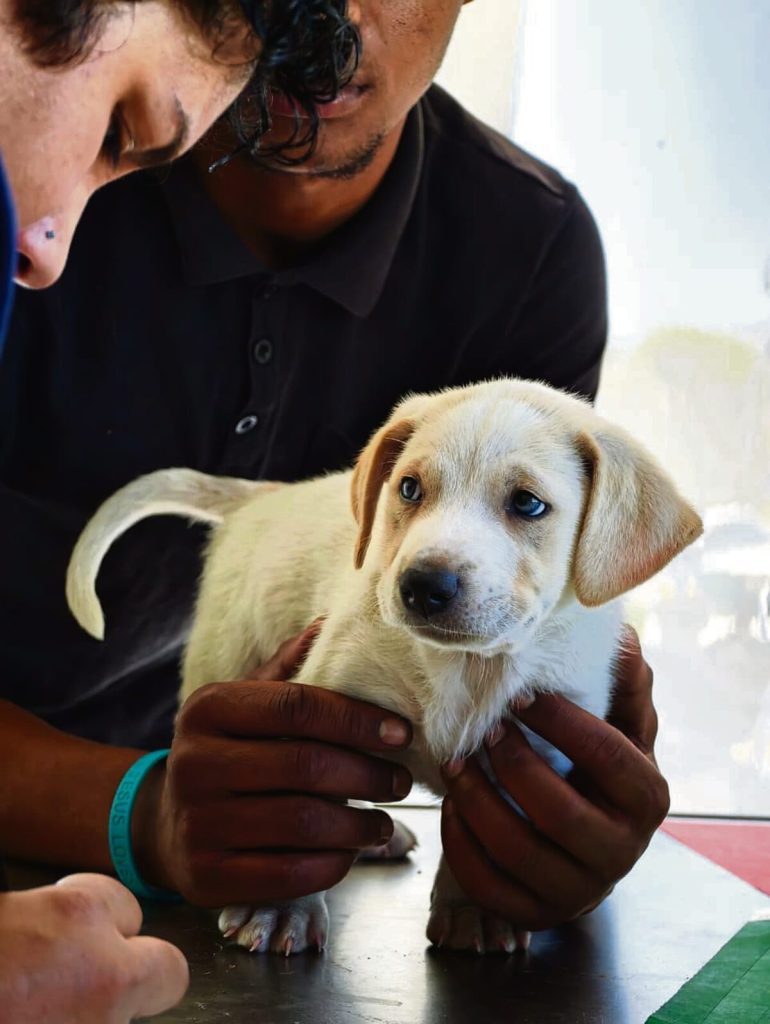
The specialised vehicle features a 20-animal capacity and is purpose-built to break down transport and distance barriers by safely moving pets from vulnerable areas to the SPCA Animal Hospital for free surgeries, vaccinations, and microchipping before returning them home.
People’s Post spoke to Abraham, who unpacked their challenges when it comes to the demand of animals they care for and advocated for sterilisations as a means of reducing the risk of diseases being spread to pets and families.
ALSO READ: Simon’s Town Museum Phoenix Committee highlights forced removals for Heritage Day
“Sterilisations and vaccinations can help families and their pets by preventing life threatening illnesses such as parvovirus,” she explained.
Sterilisations drive
Parvovirus is a family of small, highly contagious viruses that infect animals and humans, most commonly known as a severe, life-threatening intestinal illness in dogs. The strategy — dubbed Beyond Rescue — aims to eliminate what researchers call “veterinary-care deserts”, where cost and geographic isolation prevent animals from receiving basic medical attention.
The South African Veterinary Council notes that the vast majority of South Africans cannot afford private veterinary fees, leaving non-profit organisations to fill the gap.
The maiden voyage of the new transport vehicle in Elsies River immediately validated the strategy. Nearly 100 residents lined up with their pets, resulting in 65 animals receiving parasite control and rabies vaccinations, while 21 animals were booked and transported for immediate sterilisation.
Animal care study
The SPCA has already performed nearly 6 500 sterilisations this year, up from 7 053 across the entire previous financial year, leaving the team on track to hit its 10 000-operation milestone with three months remaining in the calendar year.
To ensure long-term efficacy, the SPCA has partnered with UK-based animal welfare charity Battersea to fund South Africa’s first-of-its-kind behavioural research programme.
The study will investigate why animal care breaks down in specific communities and identify exactly which interventions promote lasting human behavioural changes.
Reflecting on the international theme for World Animal Day 2026, “See the World Through Their Eyes,” Ndukwana emphasised that long-term animal welfare relies entirely on systemic infrastructure changes.
“We cannot simply remove animals and expect the conditions that produced them to disappear,” he concluded. “We have to make responsible choices possible, make veterinary care reachable and reduce unwanted breeding at its source.”
ALSO READ: Masiphumelele violinists attend South Africa’s first Suzuki children’s workshops



You must be logged in to post a comment.