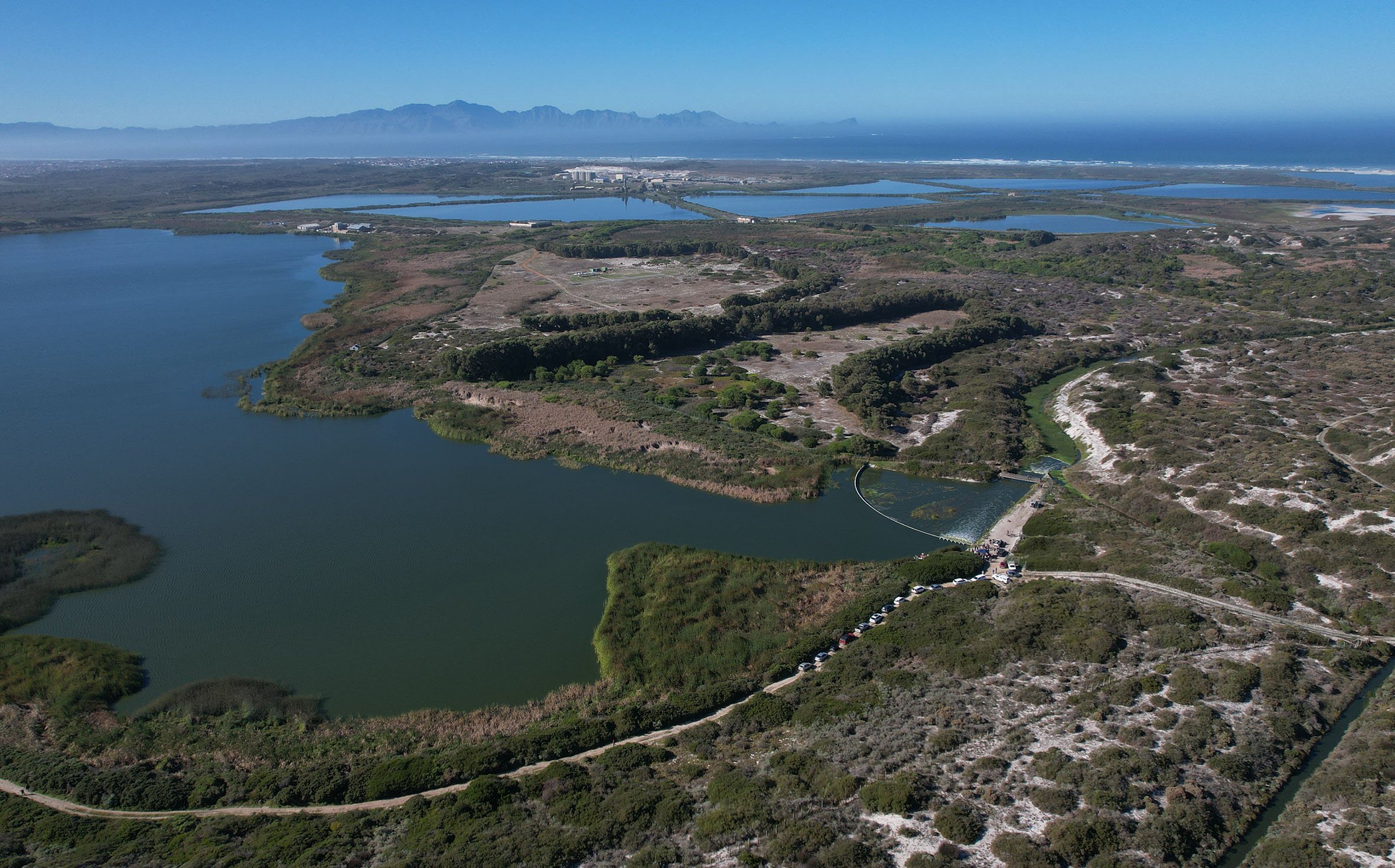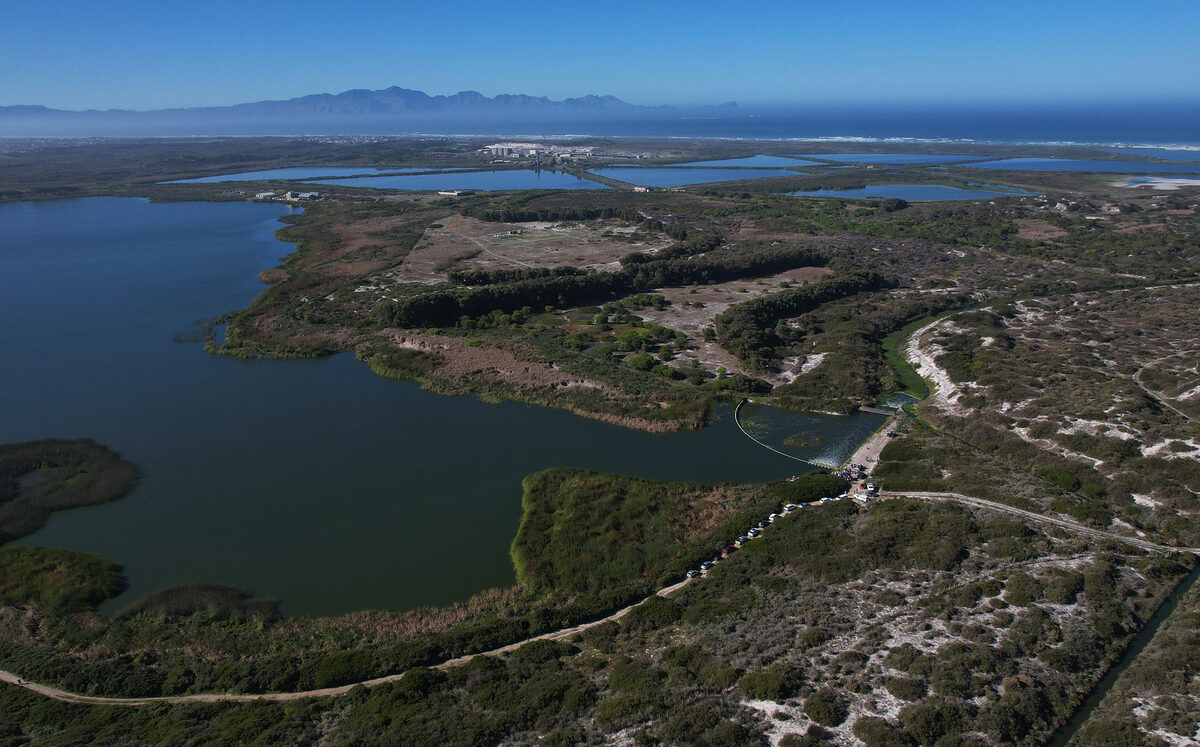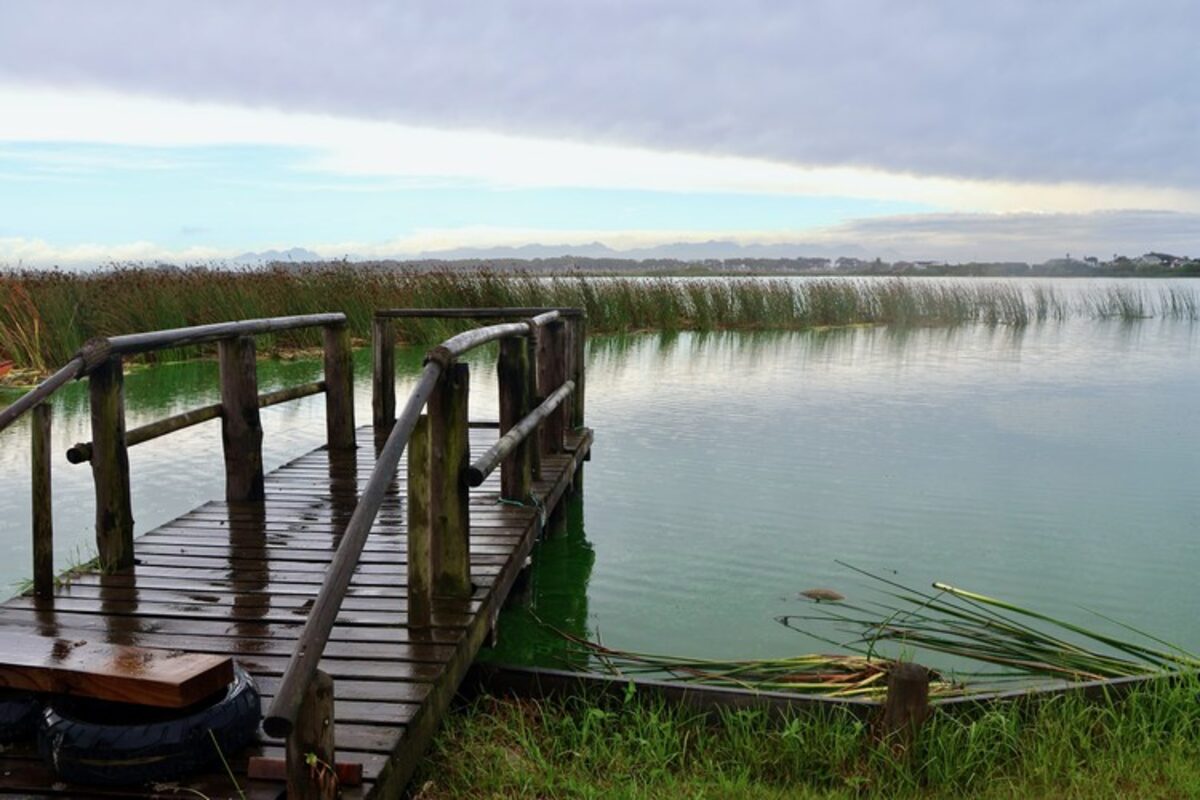
CAPE TOWN – The City of Cape Town has begun preparations for a major upgrade of the Zeekoevlei weir in the False Bay Nature Reserve, marking a significant step in ongoing efforts to improve water quality at one of the region’s most important wetland systems.
Zeekoevlei forms part of the reserve, which is recognised as a Ramsar site of international importance under the Ramsar Convention on Wetlands.
The planned modifications are aimed at strengthening medium-term interventions already under way to rehabilitate the vlei and restore its ecological health.
Upgrade plans under way
Work on site is expected to ramp up by May this year, with contractors currently establishing a site camp and preparing for construction.
If all proceeds according to schedule, the project is set for completion by mid next year.
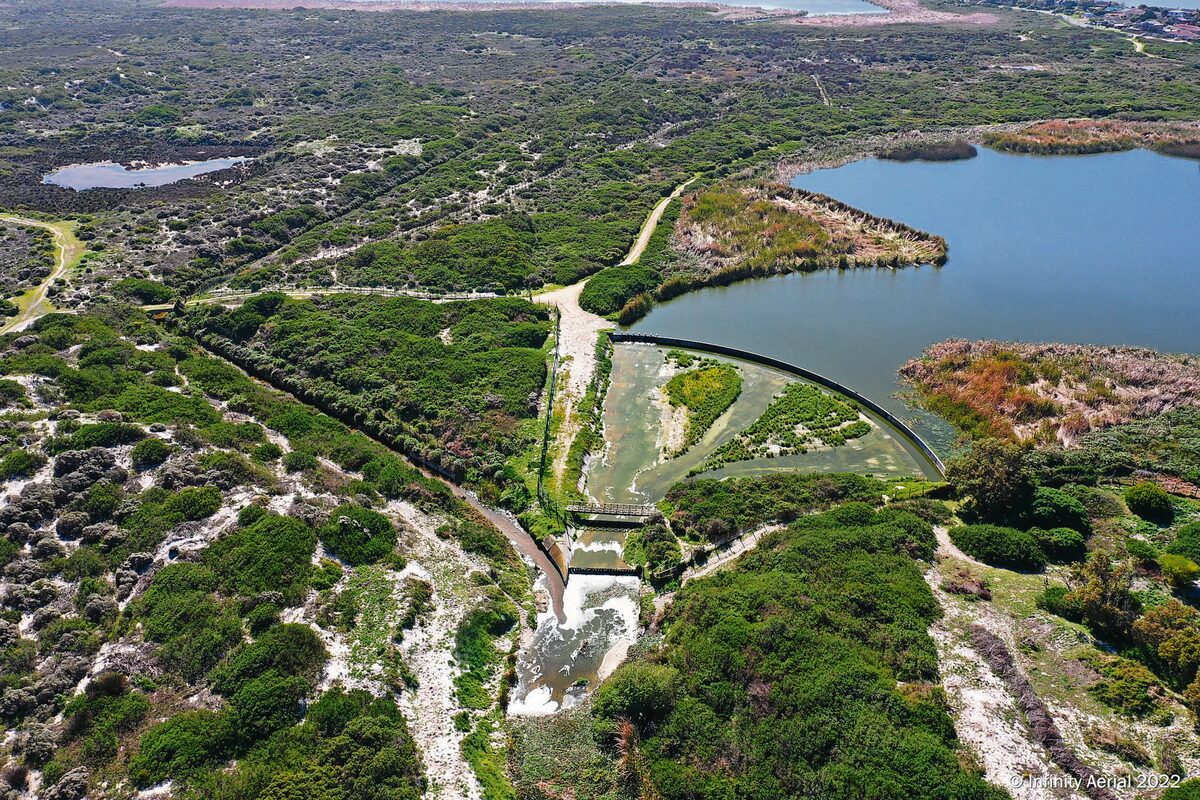
A key component of the upgrade is the lowering and redesign of the existing weir, originally built in the 1950s.
The current structure relies on manually operated penstock sluice gates, which limit how much water can be released during annual drawdowns.
These drawdowns are essential for removing nutrient-rich water and sediment, improving oxygen levels, and reducing flood risk ahead of the winter rainfall season.
New design
The new design will introduce mechanically-operated sluice gates, allowing for more efficient and flexible water level management.
Once completed, the system will enable deeper drawdowns—from the current limit of 4,3 metres above mean sea level to approximately 3,5 metres—significantly enhancing the City’s ability to flush out pollutants and excess nutrients.
According to the City, this improved flushing capacity will complement other interventions, including the ongoing dredging of Home Bay and Storm Bay to remove nutrient-laden sediment.
Together, these efforts aim to address long-standing water quality challenges in Zeekoevlei.
In addition to improving water management, the project will also focus on restoring ecological connectivity.
The existing weir walls currently block the movement of fish between the vlei and surrounding waterways.
To address this, two fishways will be constructed – one linking the Zeekoevlei Canal to the weir, and another downstream to bypass infrastructure that currently obstructs fish migration.
These fish passages are expected to allow indigenous freshwater, estuarine and marine species to return to the vlei over time, once water quality conditions improve. The reintroduction of local fish species is seen as a key step in restoring biodiversity and ecological balance in the system.
Structural improvements
The upgrade will also include structural improvements such as the expansion of the weir, stabilisation using gabions, and the construction of a gatehouse for maintenance.
City officials say the project underscores their commitment to rehabilitating Cape Town’s vleis, which play a vital role in urban ecology, recreation and flood management.
By enabling deeper drawdowns, improving sediment management and reopening migration pathways for fish, the Zeekoevlei weir upgrade is expected to deliver lasting environmental benefits for the False Bay Nature Reserve and surrounding communities.
The modification of the weir at Zeekoevlei, located in the False Bay Nature Reserve, is one of the City’s interventions to improve the overall water quality and estuarine life.
READ ALSO: Zeekoevlei remains closed due to dangerous toxin levels.