Government extends fuel levy relief to ease fuel costs
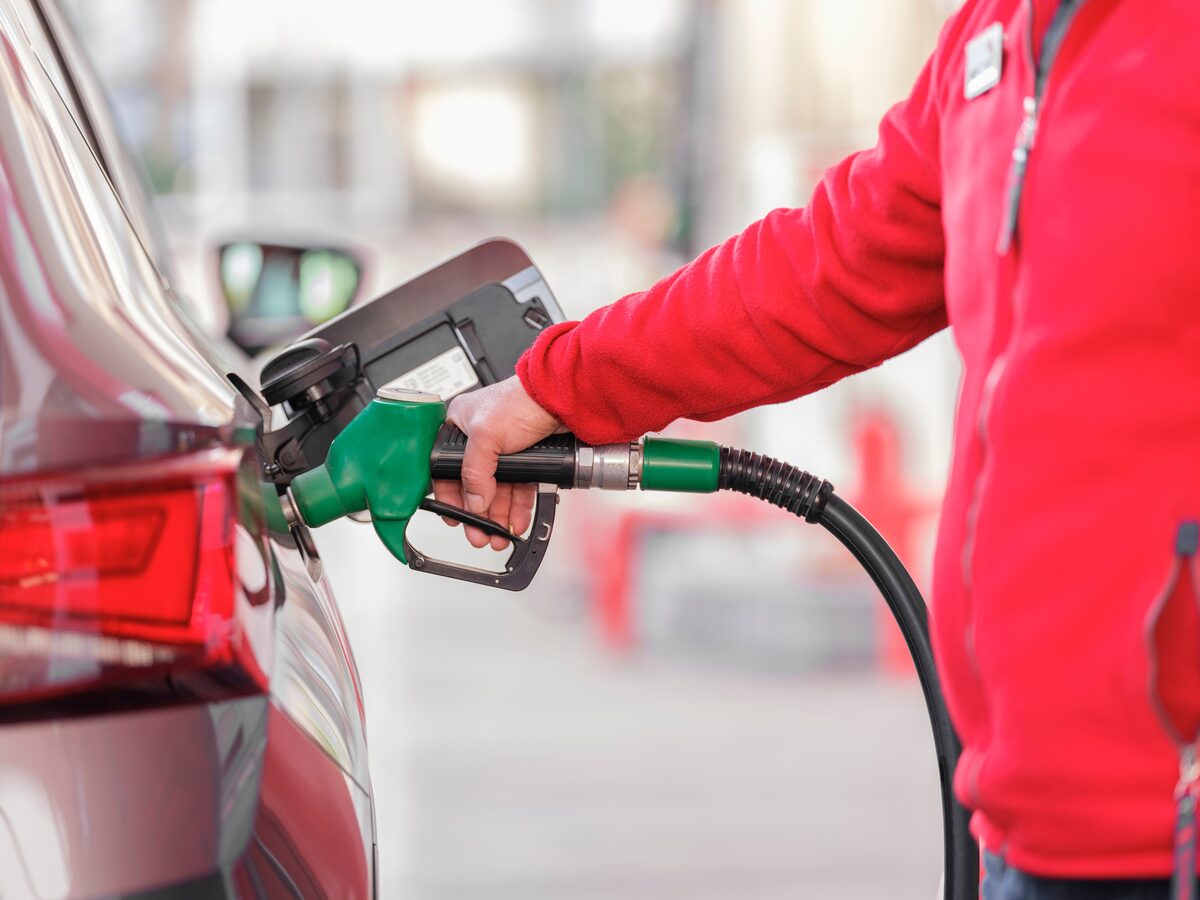
The National Treasury and the Department of Mineral and Petroleum Resources have extended temporary fuel levy relief in South Africa. The move aims to ease pressure on households and businesses facing rising fuel prices.
Global oil price increases, driven by the ongoing Middle East conflict, continue to push domestic fuel costs higher. This has added pressure on inflation and transport expenses.
Initial relief introduced in April
Finance Minister Enoch Godongwana and Mineral and Petroleum Resources Minister Gwede Mantashe first announced the relief on Tuesday 31 March this year.
They cut the general fuel levy by R3 per litre. The reduction took effect on Wednesday 1 April. Government initially set the measure to end on Tuesday 5 May.
Relief now extended until June
Government has now extended the R3 per litre petrol levy reduction. The new end date is Tuesday 2 June this year.
Diesel users will also benefit. The diesel fuel levy now drops by R3.93 per litre. This effectively reduces the diesel levy to zero.
This adjustment runs from Wednesday 6 May until 2 June this year.
Transport operators, farmers and logistics companies stand to benefit most from the diesel relief.
Gradual withdrawal planned
Government will phase out the relief from June.
From Wednesday 3 June to Tuesday 30 June, the relief will reduce by half.
- Petrol relief drops to R1.50 per litre
- Diesel relief drops to R1.96 per litre
From July, fuel levies will return to normal levels.
- Petrol: R4.10 per litre
- Diesel: R3.93 per litre
R17.2 billion revenue impact
The Treasury estimates the intervention will cost R17.2 billion in foregone revenue between April and June.
Government says the measure remains fiscally neutral. It expects to recover revenue through stronger tax collections and spending adjustments within the 2026 Budget framework.
Inflation pressures drive decision
Officials say rising fuel prices have increased inflation risks. Fuel remains a key driver of consumer prices in South Africa.
Higher fuel costs affect transport, food prices and supply chains.
Fuel pricing formula under review
The Department of Mineral and Petroleum Resources is reviewing the fuel pricing formula. The outcome may shape future fuel price regulation.
The Self-Adjusting Slate mechanism will also remain active. This ensures under-recoveries by fuel importers are accounted for.
Government will adjust the Slate levy for petrol and diesel in May this year.
Short-term relief, long-term adjustment
Government stresses that the relief remains temporary. The phased withdrawal signals a return to full levy levels from July.
Motorists will benefit from short-term savings in May and June. However, fuel costs are expected to rise again later this year.
READ ALSO: Fuel station in Durbanville appealed on legal and constitutional grounds