A Cape Town township-based environmental innovation company has recently been named one of the Top Three North West regional finalists in the National Innovation Challenge for Circularity (NCIC), advancing from more than 2 000 applications nationwide.
Crislor BioVentures, founded by environmental scientist Christopher Swart in 2021, received the recognition for an integrated Water Resilience model developed through a collaboration with the University of Johannesburg Centre for Ecological Intelligence and Bakgatla-ba-Kgafela Welfare and Development community partners.
Innovation recognised
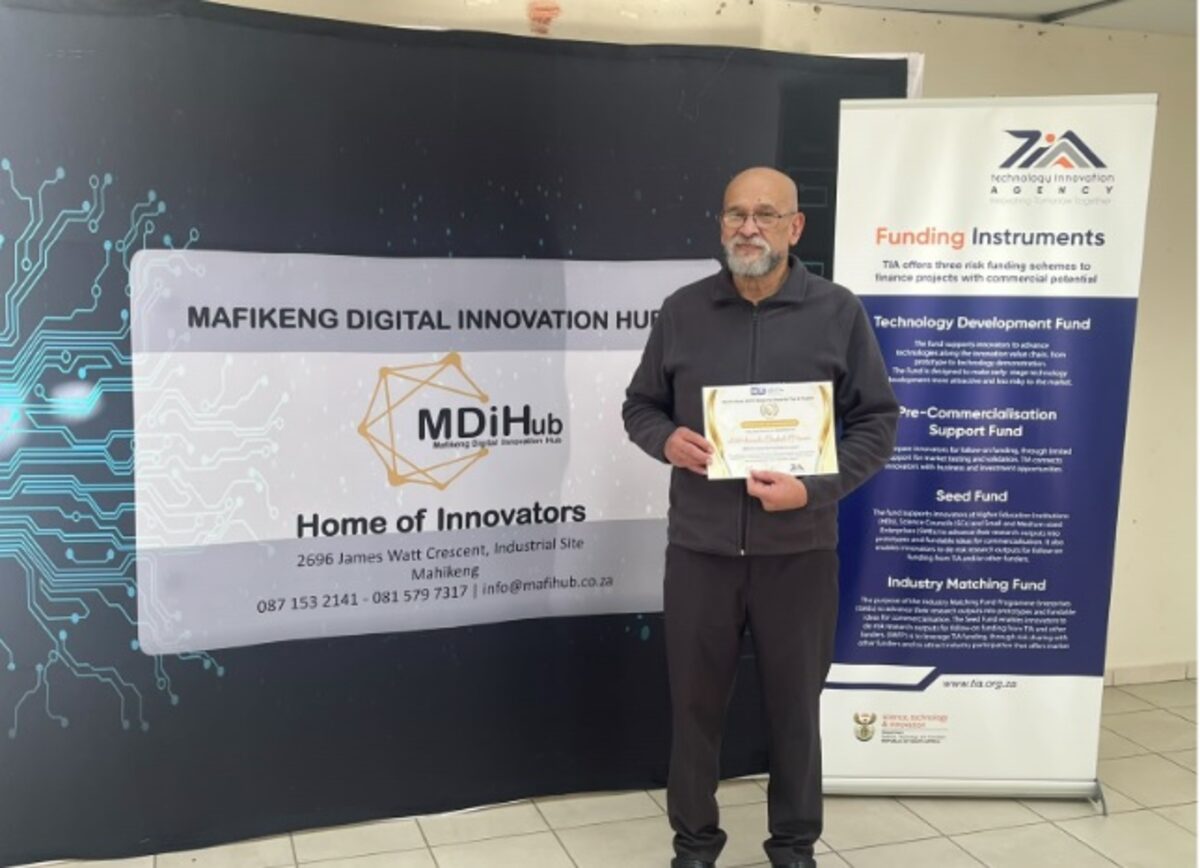
The project has progressed to the national finals, provisionally scheduled for August in Johannesburg, following regional finalist awards in Mahikeng on 17 July.
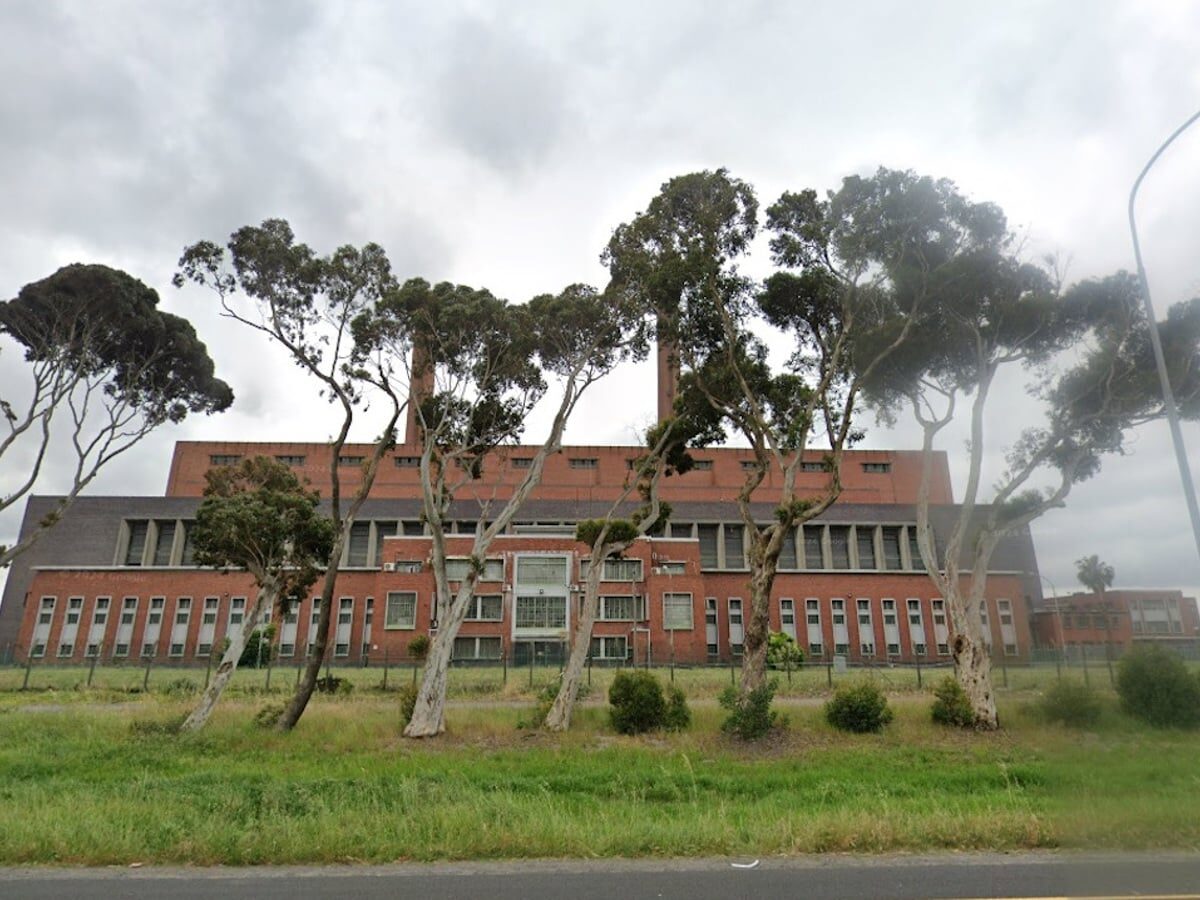
The innovation comes as Cape Town’s waterways, wetlands and rivers flowing through Muizenberg, Retreat, Grassy Park, Lotus River and Zeekoevlei into False Bay face mounting pressure from sewage spills, ageing infrastructure, stormwater pollution, nutrient loading and urban runoff.
Residents have endured recurring water quality problems, unpleasant odours, algal blooms, ecosystem degradation and health concerns for years.
Crislor’s model combines BioRemBloc™, a provisionally patented passive bioremediation technology using industrial hemp, kenaf and biochar; BioFlo™ custom-blended microbial mixtures; BioGestor™ decentralised sanitation systems; nature-based phytoremediation; and a Monitoring, Reporting and Verification platform for continuous monitoring and early warning detection.
Community empowered
The model’s most innovative feature is transforming Expanded Public Works Programme (EPWP) workers into environmental first responders.
Selected workers are upskilled as the “eyes” monitoring waterways for pollution events, the “ears” receiving community complaints, the “noses” identifying odours signalling sewage spills and the “hands” implementing rapid response actions including hotspot identification, litter removal, temporary mitigation, environmental reporting and bioremediation support.
Beyond environmental restoration, the model delivers socio-economic benefits, including increased local employment, youth skills development, environmental monitoring careers, community-owned enterprises, SMME development and long-term stewardship programmes.
Future planned
“Every environmental and water body restoration project should also be a job creation and skills development project,” says Swart.
“If communities are empowered to become active custodians of their environment, we can create sustainable environmental improvement while simultaneously creating skills, dignity and economic opportunity.”
Publicly available monitoring data confirms recurring concerns in False Bay catchments, including elevated E. coli, nutrient enrichment, ammonia contamination and high biological oxygen demand.
The Crislor model targets these pollutant loads through source control, biological treatment and ongoing monitoring, with measurable improvements potentially observable within weeks to months.
The concept is already being explored in the Bakgatla Tribal Areas for mine rehabilitation, Tshwane Metro wastewater treatment and the Bronkhorstspruit catchment for river restoration.
Crislor is now inviting the City of Cape Town, local communities, environmental organisations and private-sector partners to explore collaborative pilot projects within catchments feeding False Bay, offering a practical model for cleaner rivers, healthier wetlands, safer communities, dignified sanitation and more local jobs.
ALSO READ: SANParks Plants 1 000 Indigenous Shrubs to Bolster African Penguin Conservation at Boulders