

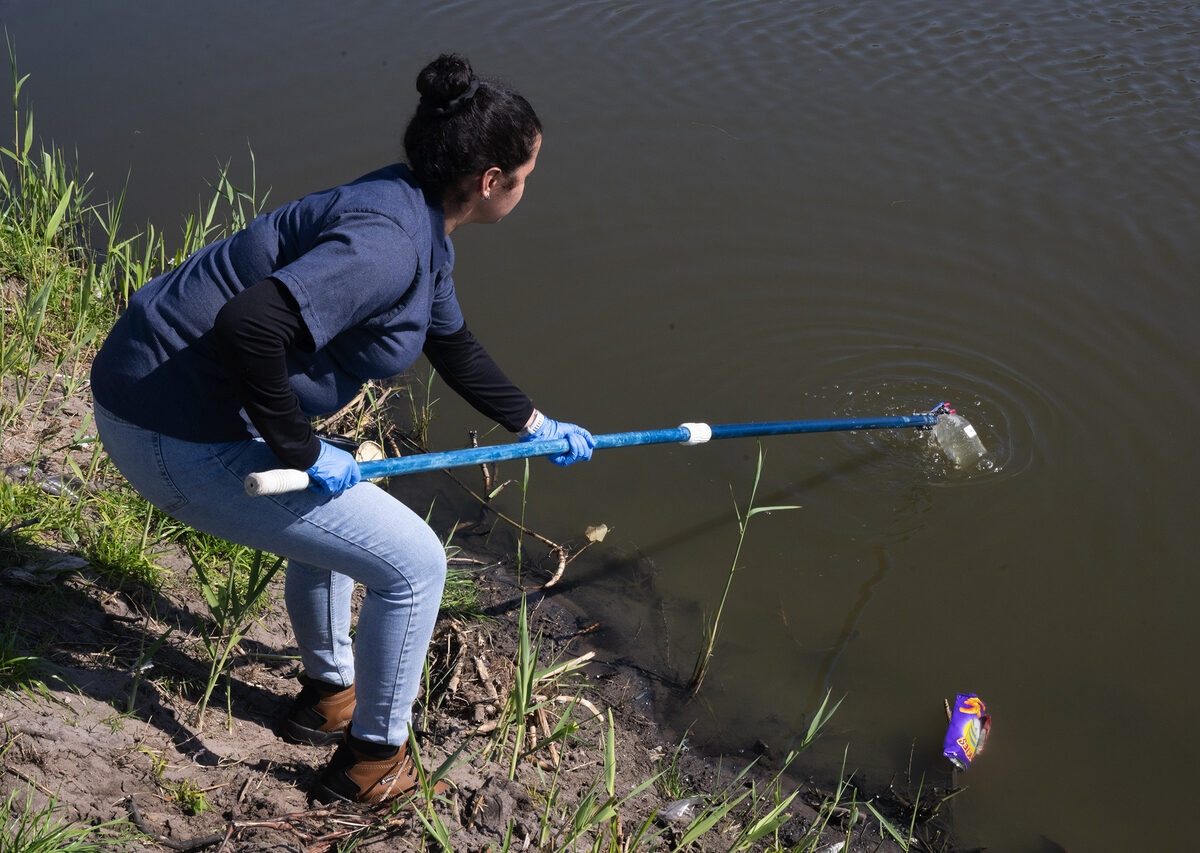
The City of Cape Town is testing two innovative water remediation technologies along the Big Lotus River, in a new pilot project aimed at reducing pollution and improving water quality before it eventually reaches Zeekoevlei.
The pilot was implemented in May this year at multiple sites along the Big Lotus River, which has been affected by inflows of polluted water from several sources.
These pollution occurrences have caused declining water quality in the river, which ultimately flows into Zeekoevlei.
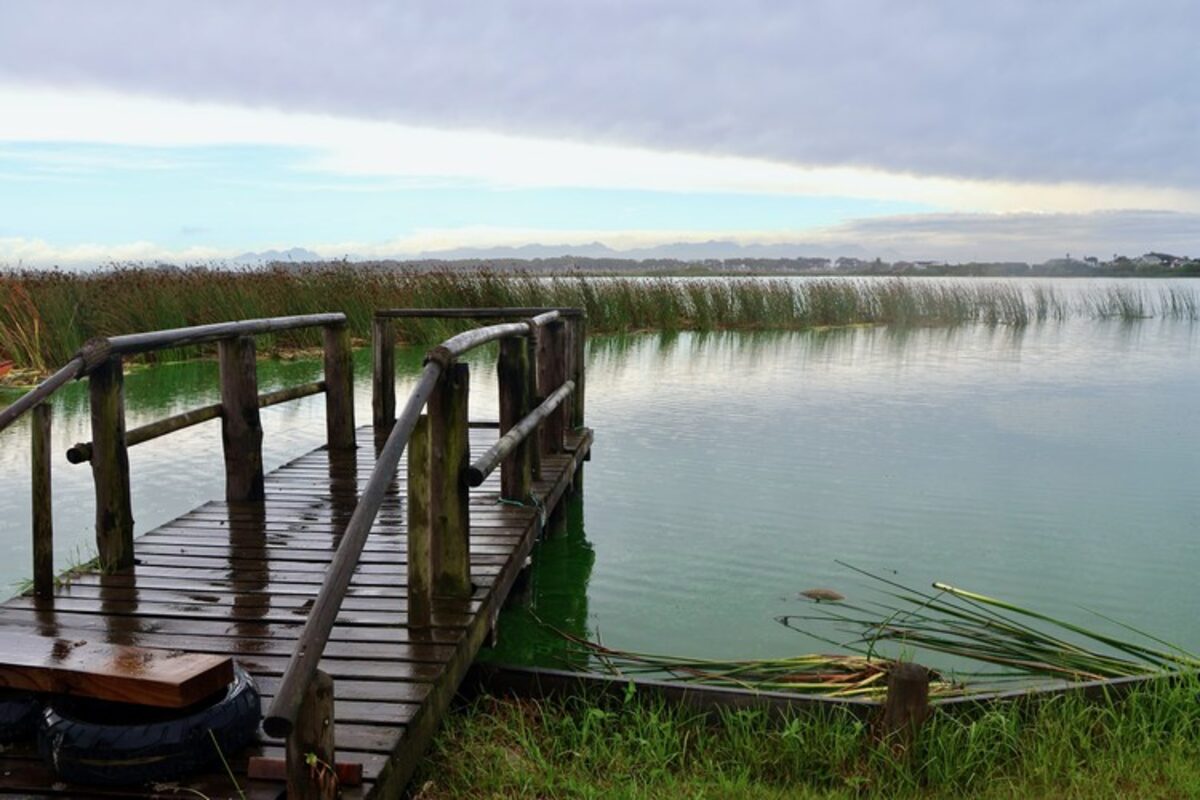
High levels of nutrients in the vlei can fuel algal blooms, some of which can produce toxins and affect the health and usability of the recreational water body.
The City is therefore taking proactive steps to address the growing water quality issue.
Testing solutions
Water and sanitation’s scientific services branch is testing two remediation technologies at these sites.
Biobags contain biochar made from pine wood and have been inoculated with naturally occurring microbes.
The intervention is being tested to determine whether it can help reduce nutrients and organic matter in the water.
A nanobubble unit has also been installed to produce extremely small bubbles in the water.
The technology has been used internationally in efforts to remediate polluted water bodies. The City’s preliminary studies suggest it may help reduce odour, solids, and organic loads.
“We are testing whether these technologies can make a measurable difference in one of the city’s important inland water systems. This is not a quick fix. It is a scientifically monitored pilot designed to establish what works, under which conditions, and at what scale. If successful, the lessons could help inform future interventions in Zeekoevlei and other waterways,” said the City’s Mayco member for water and sanitation, Zahid Badroodien.
“There is no one-size-fits-all solution to polluted waterways. Each river, wetland, and vlei has different characteristics and pollution pressures. Scientific monitoring and evidence-based decision-making are therefore essential,” said Badroodien.
Monitored approach
The pilot will be closely monitored by the City’s Scientific Services Branch, with water quality data collected, assessed, and analysed for effectiveness over time.
This will determine whether either technology could be considered for use elsewhere.
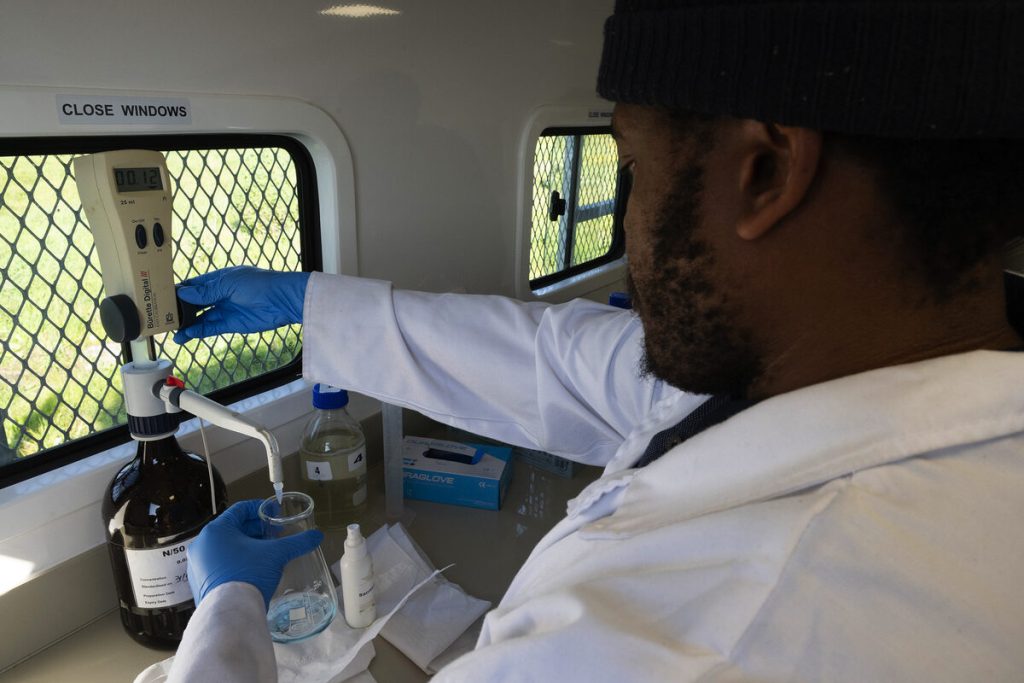
Staff have been conducting regular site visits, collecting water samples, and running tests from a mobile laboratory stationed along the river.
ALSO READ: Boulders Beach ranked among top 10 beaches in the world by TripAdvisor


You must be logged in to post a comment.