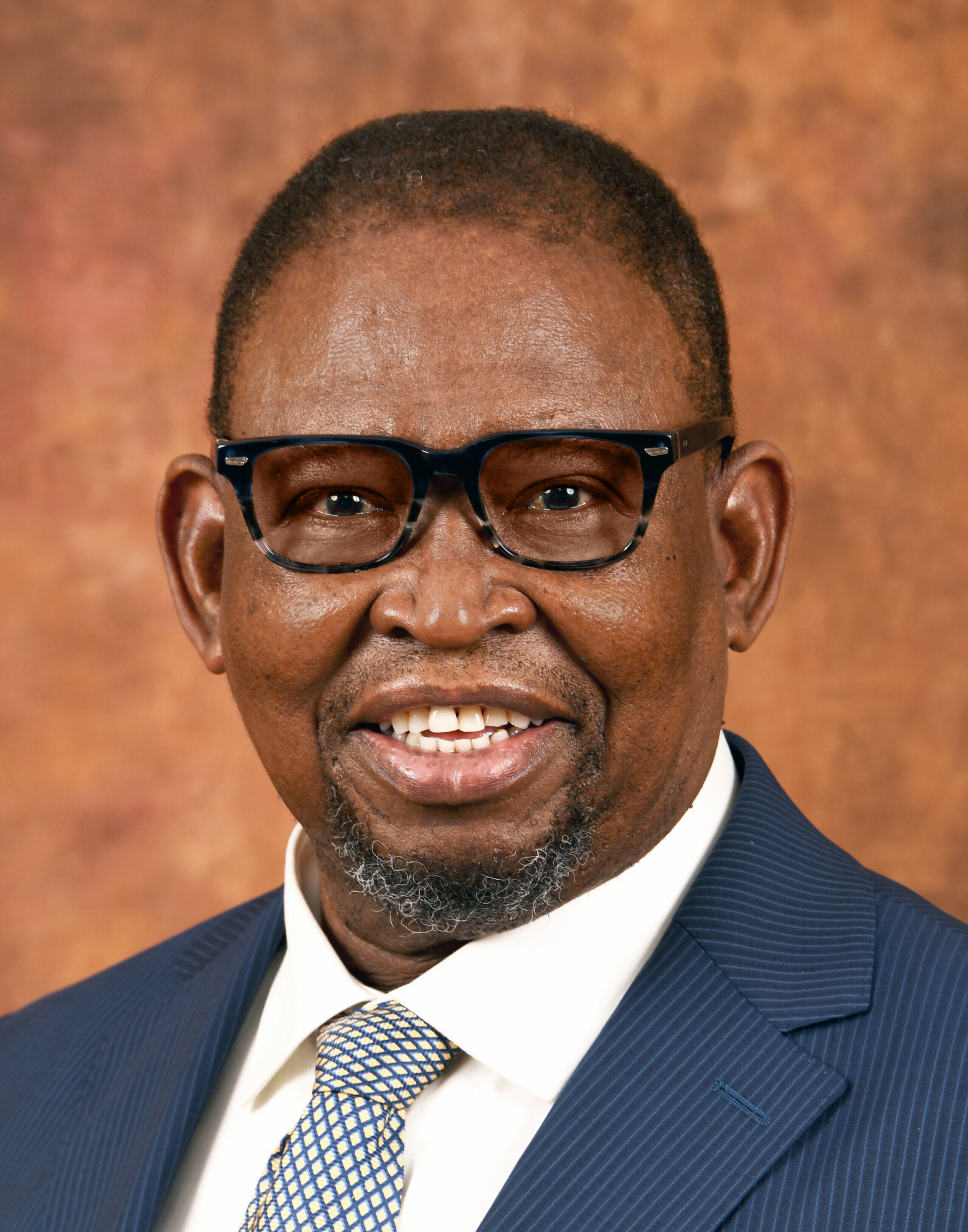
The Cape Chamber of Commerce and Industry has welcomed increased funding for municipalities and a temporary R10 billion fuel levy reduction announced in the 2026 Medium-Term Budget Policy Statement (MTBPS), saying the measures could ease pressure on businesses and local infrastructure.
Finance Minister Enoch Godongwana delivered the MTBPS in Parliament yesterday (21 October).
National Treasury has revised allocations to local government upwards, including an increase in the Local Government Equitable Share and a boosted fuel levy sharing allocation for metropolitan municipalities.
The Chamber said the adjustments addressed long-standing concerns about funding formulas that failed to account for the Western Cape’s rapid population growth, placing increasing pressure on municipal services, infrastructure and roads.
Andrew Donaldson, vice chair of the Chamber’s Public Institutions Business Environment Committee and a former National Treasury deputy director-general, welcomed the changes.
“The Chamber notes the upward adjustment in fuel levy sharing with metros next year, and the increase in the local government equitable share,” he said.
The additional funding could help the City of Cape Town and other municipalities finance road maintenance, infrastructure expansion and more efficient service delivery, while easing pressure to increase tariffs for businesses.
Western Cape Premier Alan Winde and the Provincial Treasury have repeatedly raised concerns about the impact of population growth on the province’s resources and the need for funding allocations to better reflect growing service delivery demands.
Fuel relief
The Chamber also welcomed the temporary R10 billion fuel levy reduction, intended to cushion businesses against economic pressures, including logistics disruptions and volatile fuel prices.
Transport costs and inefficiencies remain a concern for the regional economy, particularly for businesses dependent on road freight and supply chains.
The Chamber has previously raised these challenges through its Strategic Dialogue Network (SDN), which brought together corporate leaders, transport operators and government stakeholders to discuss ways to improve transport efficiency.
Discussions included the use of digital traffic management systems, integrated public transport corridors and accelerating the shift of freight from road to rail.
Growth test
While welcoming the principle-based introduction of a fiscal anchor, Donaldson said the effectiveness of the budget measures would ultimately depend on their implementation and impact on economic growth.
“The real sustainability test, of course, is how fiscal and other policies contribute to growth and future budget improvements,” he said.
ALSO READ: Medium-term Budget Policy Statement expresses optimism and promises relief to consumers