

Affordability and availability, rather than healthy options, are governing food choices nowadays, a UWC study finds
CAPE TOWN – For many South Africans, the decision about what to put on the dinner table is driven less by nutrition than by affordability, household needs and what is available nearby.
This is among the findings of a University of the Western Cape (UWC) study examining food choices in Worcester in the Western Cape, Stutterheim in the Eastern Cape and Esikhawini in KwaZulu-Natal.
Health matters, but often comes second
The study, published in the South African Journal of Clinical Nutrition, involved almost 70 adults. Many participants were unemployed or depended on social grants.
Researchers, including UWC dietetics and nutrition lecturer Dr Nazeeia Sayed and department head Prof Rina Swart, found that participants generally understood the benefits of healthy eating. However, health was seldom the deciding factor when food was bought.

People weighed health considerations against price, convenience, transport costs and the distance to shops.
One participant described the reality of household budgeting: “In our household, we do not just buy food. Rather, we check the price of each food item first to see how much it costs.”
Family preferences influence purchases
Household members also played a major role in food decisions. Participants often chose meals that would satisfy children, partners and other relatives, while ensuring that everyone had enough to eat.
Healthy alternatives were sometimes overlooked if they were considered too expensive, unfamiliar or unlikely to appeal to the whole family.

Participants identified whole grains, fruit, vegetables, legumes, lean protein and minimally processed foods as healthy. Fried foods, sugary drinks, fast food, refined carbohydrates and products high in fat and salt were generally viewed as unhealthy.
Some healthy options, including leafy vegetables, legumes and chicken liver, were avoided because people were unsure how to prepare them in an appealing way.
Specials help families stretch their income
Promotions and advertising also affected purchasing decisions. Price-conscious consumers said they relied on specials and compared prices weekly or monthly, depending on their income.
“We watch the specials, we live on specials,” one participant said. “We compare it monthly or weekly, depending on what our income is.”
Cooking at home was viewed as cheaper than buying ready-made meals. Shops close to home or work were also preferred because they reduced transport expenses.
Snacks and treats, including yoghurt, were often regarded as luxuries. Participants said they would rather spend money on essentials such as flour. Products with a longer shelf life were also more attractive than foods that spoiled quickly.
Convenience and concerns at spaza shops
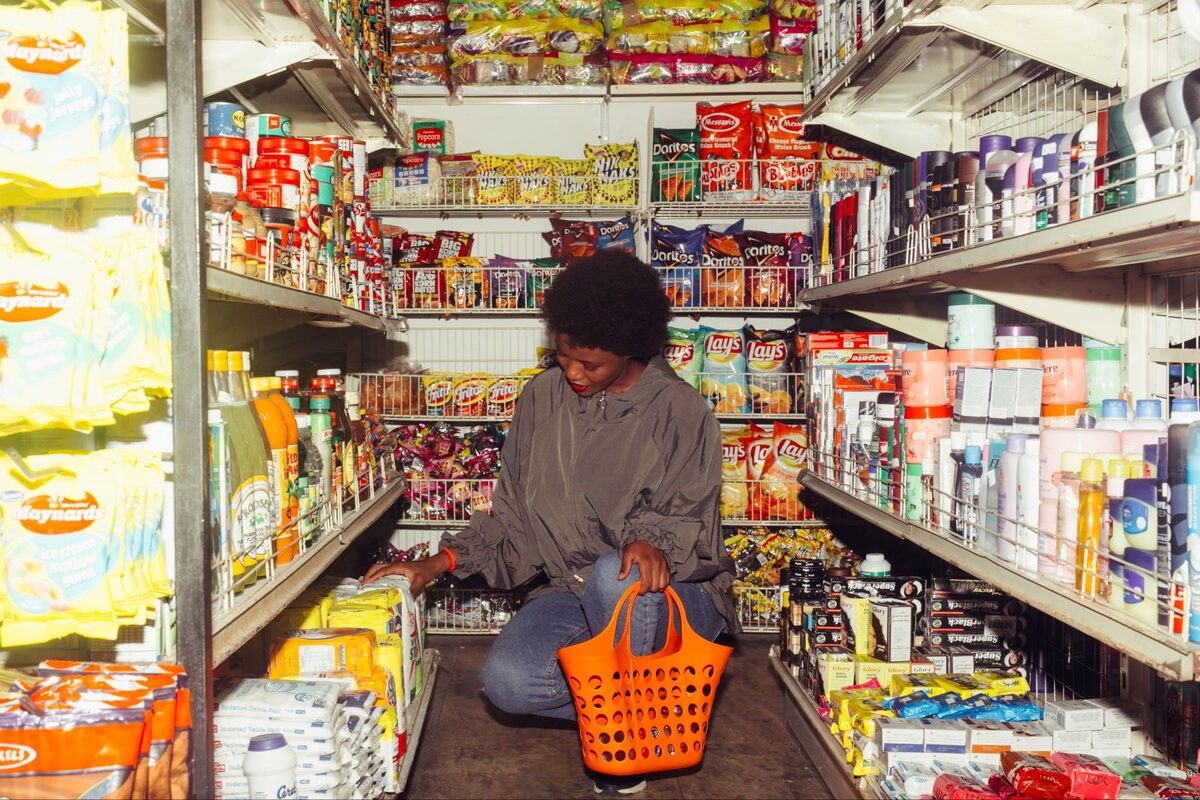
Local spaza shops were valued for their proximity and convenience. Some also allowed customers to buy on credit.
However, participants raised concerns about the freshness and expiry dates of some products sold at these stores.
Call for a healthier food environment
The researchers cautioned that the findings may not apply to all South African communities, but noted the study offered important insight into how people in urban areas made food choices under financial pressure.
They recommended closer cooperation among government, retailers, the food industry and other stakeholders to improve access to healthier food.
Healthier products should be promoted more actively, while marketing of unhealthy options should be reduced. They added that retail changes should form part of wider public-health efforts to create a healthier food environment.
ALSO READ: UWC study warns of false baby food marketing, breast still best




You must be logged in to post a comment.