

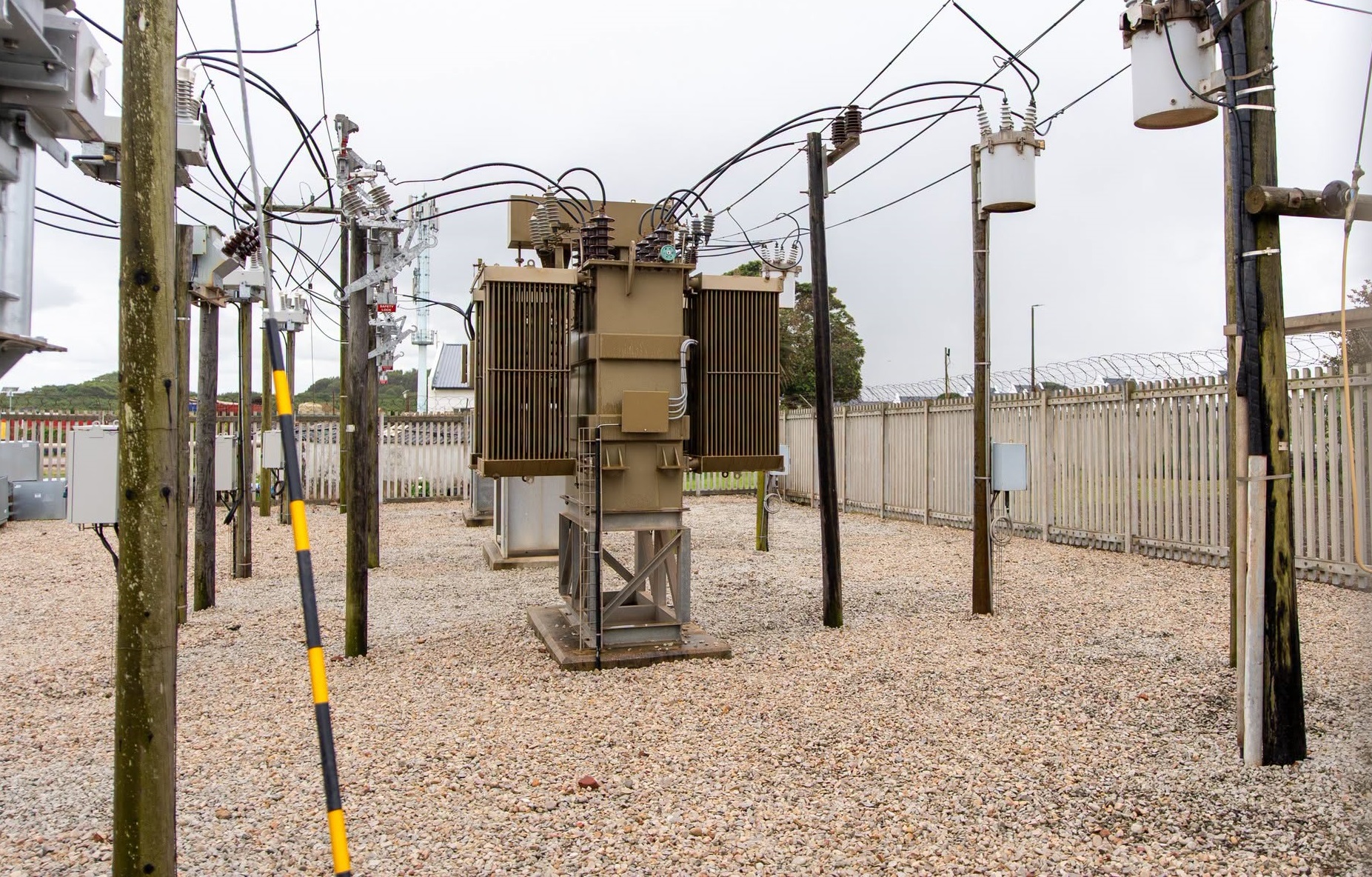
ST FRANCIS BAY – Kouga Municipality has commissioned South Africa’s first municipal-scale Battery Energy Storage System (BESS) in St Francis Bay, a R24 million project aimed at reducing electricity costs and improving the reliability of power supply.
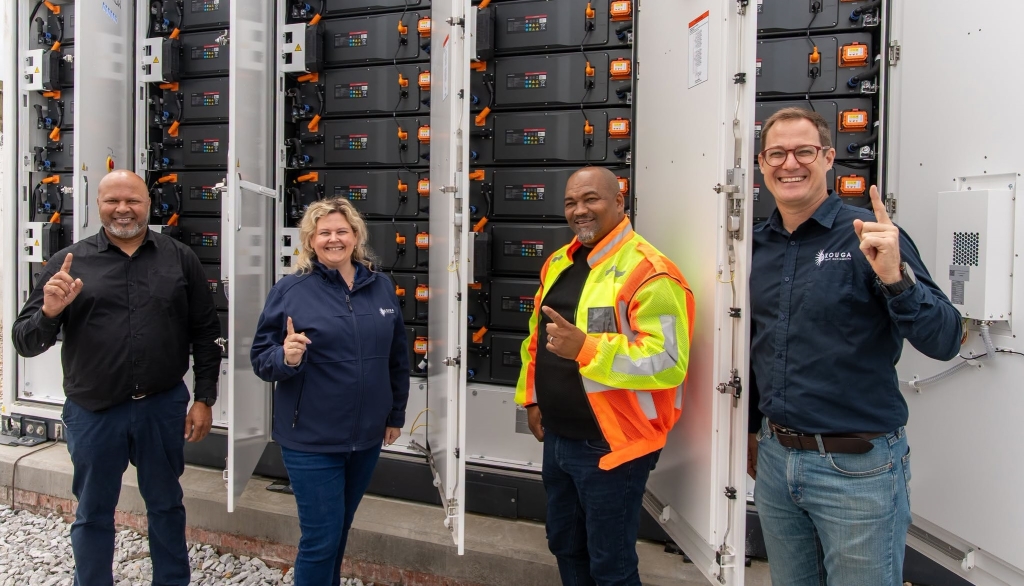
According to a statement by the municipality, the project is designed to help Kouga manage growing electricity demand, reduce costly peak-period electricity purchases and improve the municipality’s ability to restore power to residents more quickly.
The system, which has a capacity of 2MW/5MWh, can discharge 2MW of power for up to five hours.
Battery system targets electricity demand
According to the municipality, St Francis Bay has experienced significant growth in electricity demand, resulting in repeated exceedances of its Eskom Notified Maximum Demand (NMD). During the 2024/25 financial year, these exceedances resulted in penalties of approximately R3.2 million.
Instead of simply increasing the municipality’s electricity allocation, Kouga investigated alternative solutions and identified battery storage as a more strategic investment.
Kouga Executive Mayor Hattingh Bornman said, “This project demonstrates what can be achieved when a municipality looks beyond traditional solutions and invests in innovation. We are not simply buying a battery; we are investing in the future resilience of our electricity network and in better service delivery to our communities.”
The municipality indicated that increasing St Francis Bay’s NMD allocation by only 2MVA would have required approximately R12 million in securities and financial guarantees to Eskom.
The BESS provides Kouga with an opportunity to manage demand while also creating a platform for future energy initiatives.
Faster power restoration
The municipality said one of the immediate operational benefits of the BESS became clear during commissioning.
Under normal circumstances, restoring electricity to the St Francis Bay area following a major interruption could take approximately two hours.
During testing, the battery-assisted system helped reduce the restoration time to about 45 minutes.
“This is particularly exciting because it shows that the battery is not only about managing costs. It can also support our teams in restoring electricity more quickly and strengthening the resilience of our network,” said Bornman.
How the battery system works
The battery will be charged from the electricity grid during off-peak periods, when electricity is cheaper. Stored energy can then be used during peak periods when electricity costs more and demand on the network is highest.
According to the municipality, during the winter peak period, Kouga plans to use the battery to assist with morning and evening peaks.
During the rest of the year, it will primarily be used during weekday evening peak periods.
The municipality indicated that the system will not normally operate over weekends because these periods are not subject to the same peak electricity charges.
The battery has a 10-year guarantee, with its operation limited to a maximum of 365 cycles per year in accordance with the warranty conditions.
R24 million investment
The project cost approximately R24 million, including the battery system, supporting infrastructure, network upgrades and integration work.
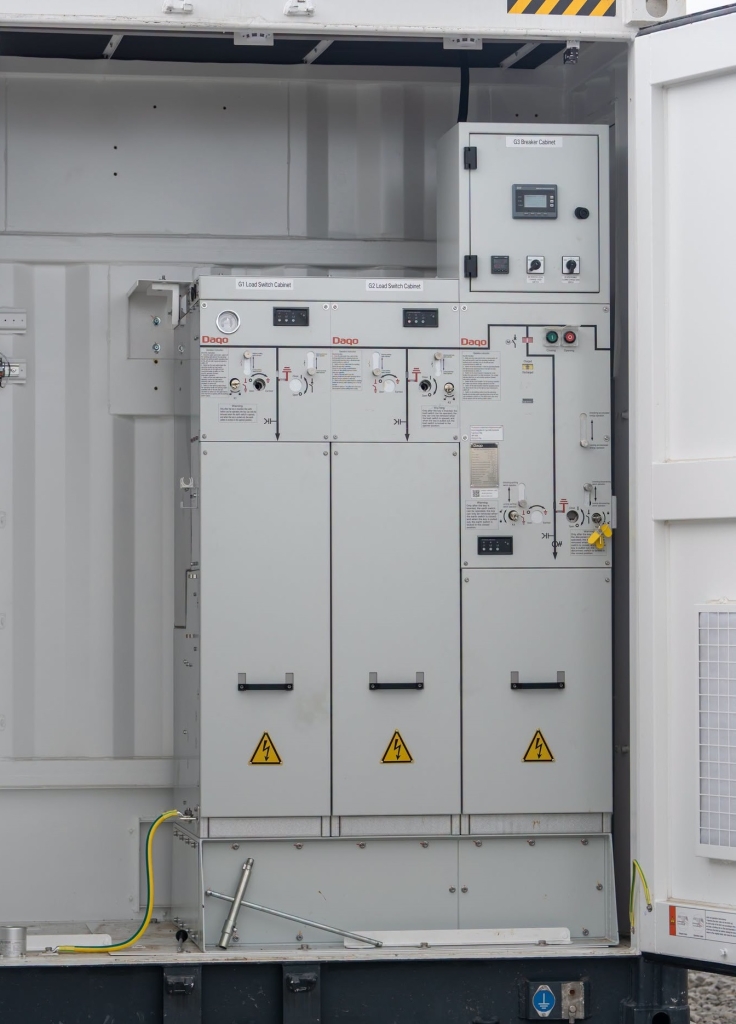
The municipality said that, because the supporting infrastructure is now in place, additional battery units at the same location could also be installed at a significantly lower cost.
“We are very pleased that technological advances and a competitive procurement process have allowed Kouga to deliver this project at around half of what a similar installation could have cost us two years ago. This is a good example of how innovation can create opportunities for municipalities to invest more strategically,” said Bornman.
Plans for future expansion
The St Francis Bay BESS is also an important learning platform for Kouga.
The municipality will monitor the system’s performance, including peak demand reduction, electricity savings and network benefits.
This information will help guide future energy investments and determine where additional battery systems could provide the greatest benefit.
“If the results confirm the financial and operational benefits we anticipate, we will certainly investigate rolling this technology out to other areas of Kouga,” said Bornman.
“Our priority will be areas where electricity demand is already close to, or exceeding, the available capacity. In the long term, this approach could help us manage our overall Eskom account more effectively.”
The technology has also attracted interest from Sungrow, the international technology provider, which has indicated its intention to explore the St Francis Bay installation as a potential research and development platform in partnership with Kouga Local Municipality.
According to the municipality, the project represents more than an investment in a battery for Kouga. It is a practical step towards greater energy resilience, improved service delivery and a more innovative approach to managing the municipality’s electricity network.
“Kouga is proud to be at the forefront of municipal innovation. This project gives us an opportunity to learn, to improve and ultimately to find smarter ways of delivering reliable services to our residents. We believe this is only the beginning of what can be achieved,” said Bornman.
ALSO READ: Widespread power outage hits Cape Town’s northern and western suburbs


You must be logged in to post a comment.