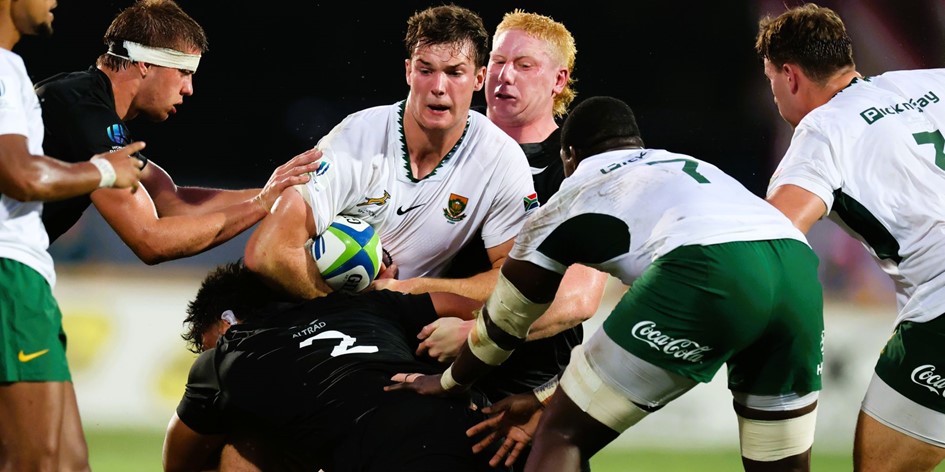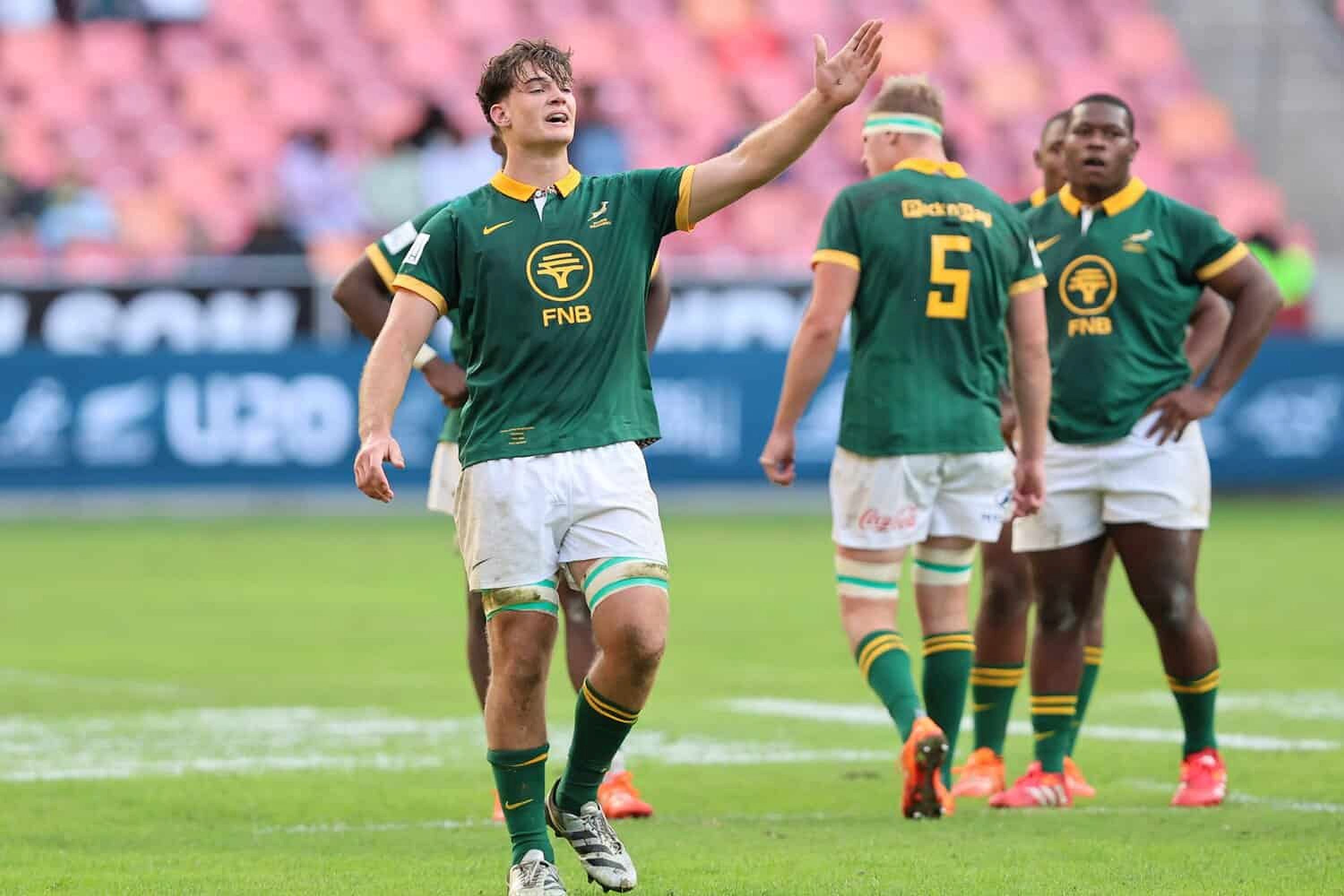
When South Africa was making the transition from an apartheid state to a democratic government in the ’90s, one of the most acute points of division was the national rugby team, the Springboks. There was a fight about whether or not the team should continue to be called the Springboks, as it was a moniker that had been used throughout the years of apartheid. The suggestions on the table were that as we formed a new united nation we should also come up with new symbols, as had been done with the adoption of a new national anthem and new flag for the country. It was proposed that, among other things, the Springboks be called the Proteas or some other new name that cut ties to the past.
It was quite a divisive debate, as the progressive sports associations that had coordinated the sports boycotts during the apartheid years pushed very strongly for these changes, including even contesting the green and yellow colours, while the rugby authorities resisted. With the issue not quite concluded, the World rugby cup took place on 1995 and that really became the turning point. Our then-President Nelson Mandela, who had done far more than any other leader to push for reconciliation among the races, intervened to ensure the nation embraced the Boks and that moment was cemented when they won that tournament, and Madiba lifted the trophy and handed it to the captain, Francois Pienaar.
That picture of the handover was hugely symbolic, merging the past with the future and showing how sports could be a unifier. For many black South Africans who do not originate from the Eastern Cape it was our first encounter with rugby as a sport, let alone as a unifier. In time the voices calling for rugby to shed its colours and symbols gradually faded away as Mandela’s reconciliation message took centre stage. Now the Springboks’ performance at the Rugby World Cup in Paris this year is once again playing that role of not just being another sports tournament, but an anchor for the nation.
It has truly been amazing how much South Africans of all hues, with little or no understanding of the sport itself, have invested in this tournament. The pictures of huge fan parks in Thohoyandou, Limpopo on Saturday during the finals are something we can never forget. The fan parks were also everywhere in the townships, small towns and cities. People who care nothing for sports, let alone rugby, were calling me to ask where we are watching the game tonight! Politically-minded individuals who not so long ago claimed the Springboks did not represent them, were seen wearing the green Springbok tops this time around. Even newspapers that never report on rugby were wrapped in green and yellow.
Without saying a word about national cohesion the team had done more than any government or institution to elevate the national happiness index. Now it is obvious that the politicians are placing themselves at the centre of these celebrations. That would not be such a bad thing for we all want a piece of that pie. But what was really disturbing for a lot of people was when President Cyril Ramaphosa addressed the nation on Monday, ostensibly about the Springboks, but which turned out to be an early electioneering campaign. Ramaphosa spoke for about 40 minutes, but spent a lot of the time trying to highlight government achievements. It was an opportunistic performance that was in bad taste. At the moment our heroes are Siya Kolisi and his team. The politicians have done enough damage and should just keep a low profile. Kolisi has used every platform to highlight that they did this for the nation, remarking honestly and sincerely that there are a lot of things that are not going well in Mzansi and theirs is to give hope. We must thank this team, which sent a message to the world that even with our imperfections we are capable of overcoming the worst.
. Rapule Tabane is political editor of City Press.