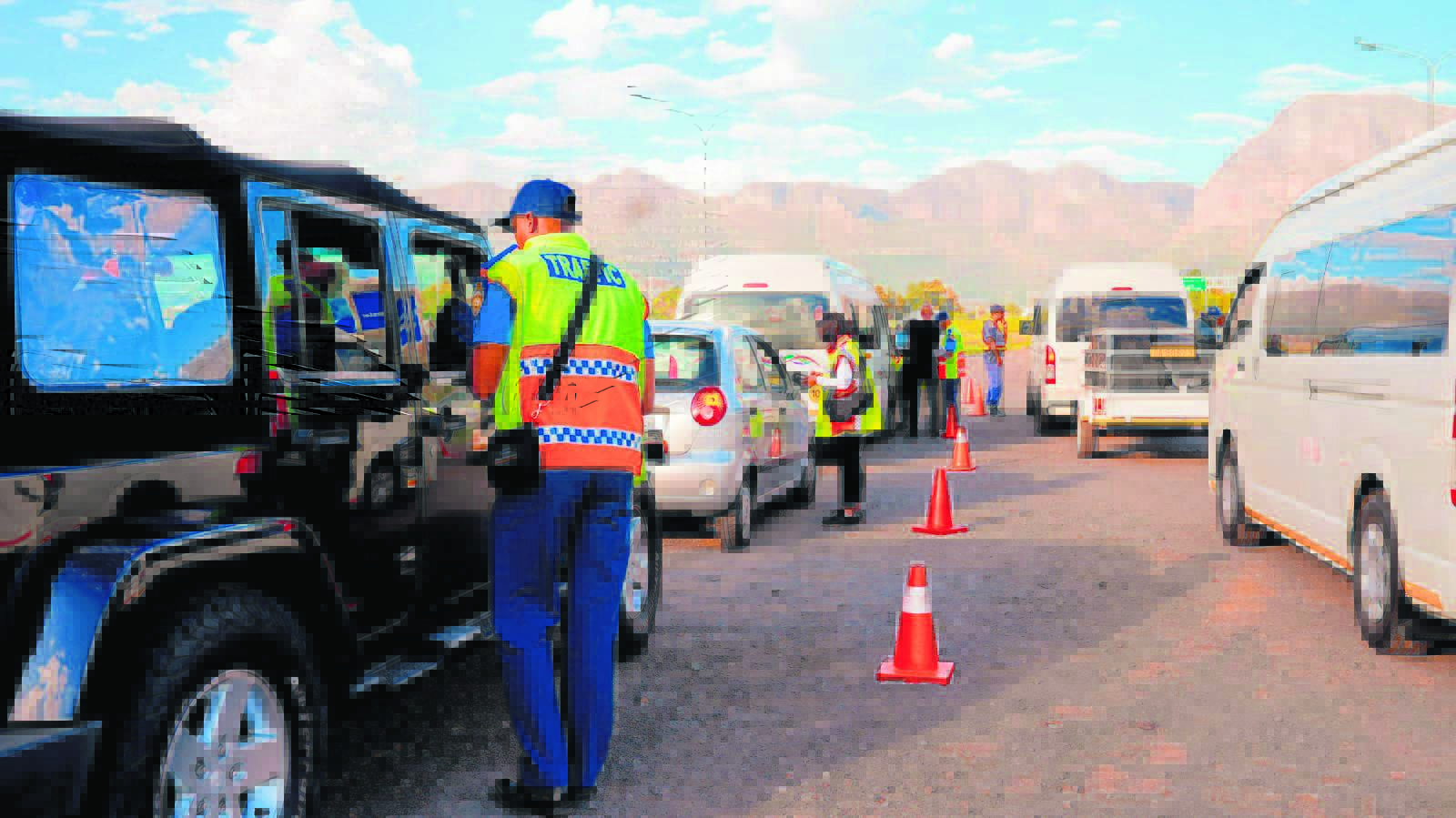
On Monday the Western Cape’s Minister of Mobility, Ricardo Mackenzie, officially launched the Western Cape Easter Safety Plan in preparation of the festive holiday that annually contributes to increased traffic and road deaths across the province.
“The school holiday has started and many families are preparing to travel,” he said at the launch. “At this time of year, there is a considerable increase in traffic volumes, which means we need to be on high alert to avoid accidents.”
Mackenzie added that last year’s fatality rates showed 36 people had died on Western Cape roads during the Easter holidays.
“My wish is that all families will arrive at, and return from, their holiday destination safely this year,” the minister said.
“Road safety is everyone’s responsibility. It is up to each one of us, whether a driver, a passenger or a pedestrian, to be the change we want to see on the roads.”
According to the department one of the most important things to do, before even leaving home, is to check your vehicle and make sure it is safe for travelling on the road.
Provincial traffic services took a new, proactive approach to help motorists prepare for travelling over the holiday period this year, by offering free vehicle fitness testing to check tyres, lights, brakes, suspension, CV joints, electrical, fuel supply system, exhaust, wipers and licence disc.
“But it’s not just about the holiday periods,” Mackenzie added. “Our traffic inspectors work hard, 365 days a year to keep our roads safe, on duty patrolling and running operations, working closely with the South African Police Services and our neighbouring provinces.”
According to Mackenzie the Western Cape is still the only province that has a 24/7 presence of traffic services protecting roads and actively reducing road fatality statistics.
The department urges the following road safety tips:. It is up to each one of us, whether a driver, a passenger or a pedestrian, to be the change we want to see on the roads.. There are simple ways to make holiday drives safe apart from ensuring your vehicle is roadworthy before you hit the road. For a start, just make sure everyone is buckled up. That will massively reduce chances of serious injury if something goes wrong..If you rest after 200 km, or two hours, you drastically reduce fatigue. Everyone who’s crashed after nodding off will tell you it just takes a heartbeat with your eyes closed to lose a loved one, or cause a life-changing accident..Speeding is tempting on the long haul, but can be deadly. You won’t go wrong if you follow the speed limits and keep an eye on the road markings. They’re there for a reason. Just take it slow – can a couple of hours really be worth a life?.It goes without saying that alcohol and drugs do not mix well with roads. Avoiding this combination can make the difference between life and death.
In addition, the department shed light on the expansion of its integrated transport hub, with a province-wide network of licence-plate reading cameras monitoring road traffic, enabling the immediate detection of:
– road traffic infringements, contraventions and crime, including unroadworthy, unlicenced, and off-route vehicles;
– cloned number plates;
– fatigued drivers; and
– vehicles known to be involved in crime.
“Instant alerts from this system are sent to officers’ hand-held devices to enable rapid response and interception.
“While our traffic inspectors are out in full force, there are some basic guidelines we can follow to take personal responsibility for our own safety, and the safety of all other road users.
“Following last year’s significant reduction in road fatalities during the Easter period, we are working hard to make sure this trend continues with as few accidents as possibles.”