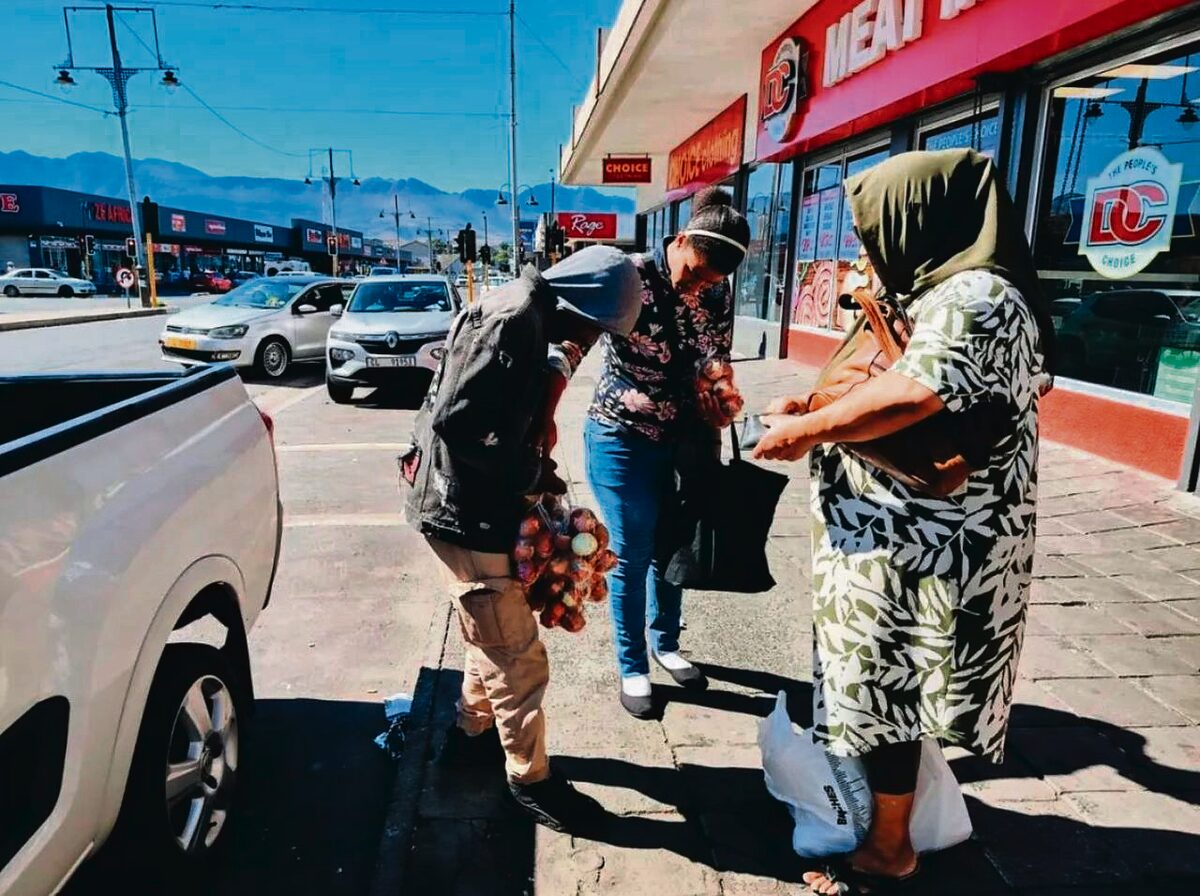
The Drakenstein Municipality tabled a new draft bylaw aimed at regulating informal trading and micro-businesses across the municipal area at its most recent council meeting, called the Informal Economy Bylaw, which will be advertised for public comment soon.
According to the report tabled before council, the proposed bylaw is intended to create a comprehensive and locally tailored regulatory framework for informal traders, spaza shops and micro-enterprises operating in both formal and informal areas of Drakenstein.
The municipality in this item for consideration by the council, said the bylaw responds to shortcomings in existing legislation. While a national Standard Township Economy Bylaw was introduced following incidents of food poisoning linked to spaza shops in 2024, Drakenstein opted to develop its own framework, arguing that the standard model does not adequately address the realities of informal and micro-business activity within the municipality.
Trading permits
The bylaw, in chapter two, states that no person may engage in informal trading within the municipal area without a valid trading permit issued by the municipality. Permit holders may be charged a trading fee, an application fee and, where applicable, additional tariffs for services provided by the municipality. Permits must be kept at the place of trade at all times and produced on request to an authorised municipal official.
Designated trading areas
The municipality is empowered to declare and demarcate specific areas where informal trading is allowed, according to the draft bylaw in chapter two. Trading is restricted to these approved sites and may be prohibited in areas where it poses a risk to public safety, obstructs traffic or pedestrian movement, or affects access to public facilities. The bylaw also allows the municipality to limit trading near roads, public transport facilities, schools, places of worship, heritage sites and other sensitive locations.
Spaza shops and home-based businesses
The bylaw introduces application procedures and operating conditions for spaza shops and micro-businesses operating from residential properties. Separate provisions apply to businesses in formal areas, informal settlements and on municipal-owned land, according to chapter three and four. Property owners must consent where the operator is not the owner, and businesses must comply with zoning, land-use and building requirements where applicable.
Public health, hygiene and food safety
Informal traders are required to maintain their trading sites in a clean and sanitary condition, according to chapter two. Waste must be removed daily, and traders may not dispose of refuse in public spaces. Traders selling food must comply with national and municipal health regulations and obtain the necessary certificates of acceptability from the relevant authorities. Food handling, preparation and storage must not pose a risk to public health.
Infrastructure and basic services
The bylaw in chapter two allows the municipality, where feasible and within its financial capacity, to provide access to basic services such as water, sanitation, electricity and refuse removal to support informal trading. Any costs associated with connecting to or using these services may be recovered from traders.
Impounding of goods
Municipal officials are authorised to remove and impound goods where trading takes place in contravention of the bylaw, according to chapter six. The bylaw sets out procedures for the recording, storage, return or disposal of impounded goods, including circumstances under which goods may be destroyed or forfeited if not lawfully reclaimed.
Enforcement powers
Authorised municipal officials may inspect trading sites, request permits and enforce compliance with the bylaw as stipulated in chapter seven. Obstructing an official, refusing to comply with lawful instructions or continuing to trade unlawfully constitutes an offence under the bylaw and can lead to penalties.