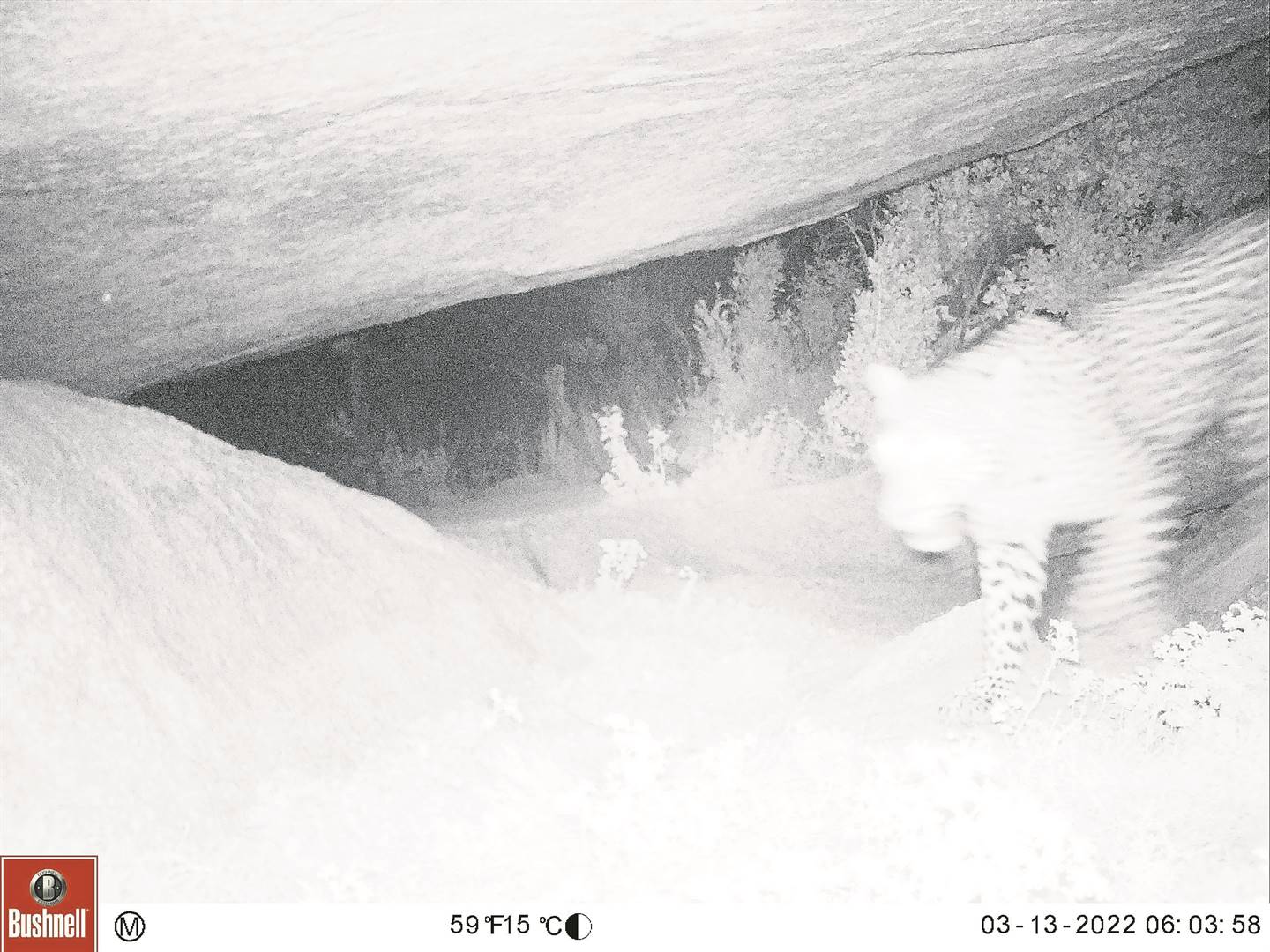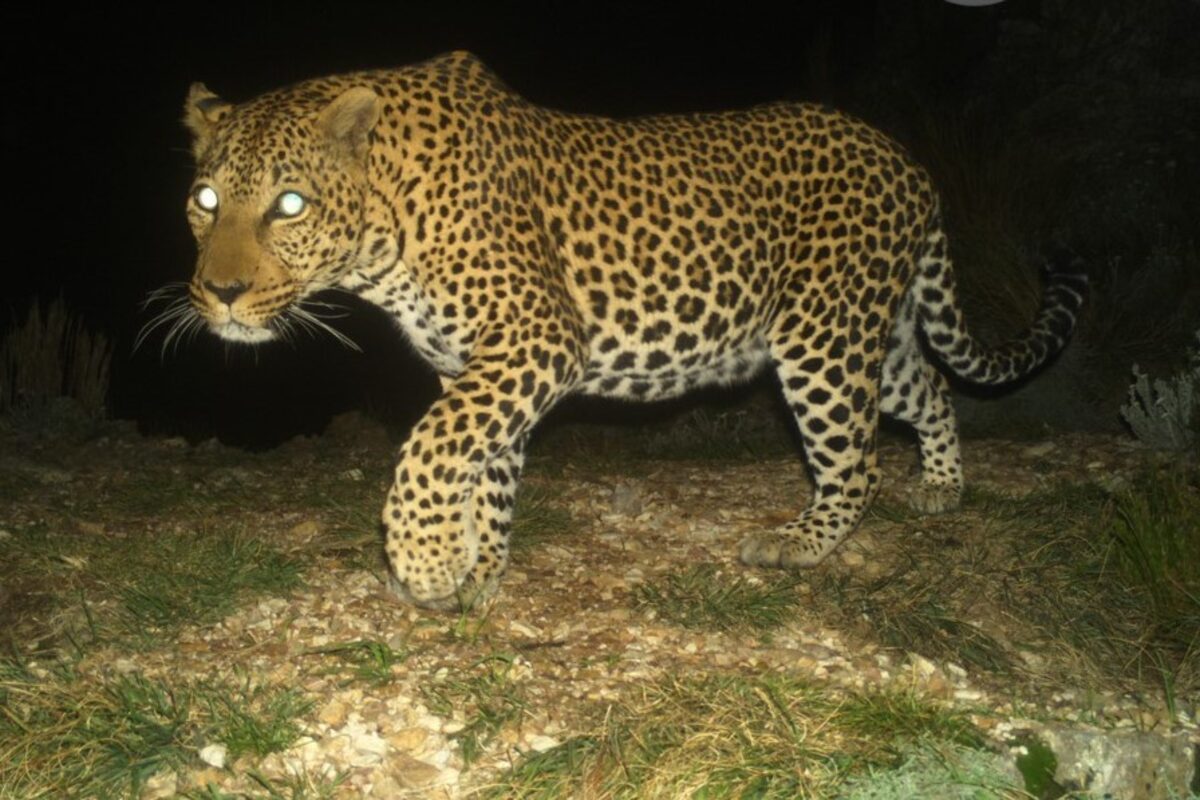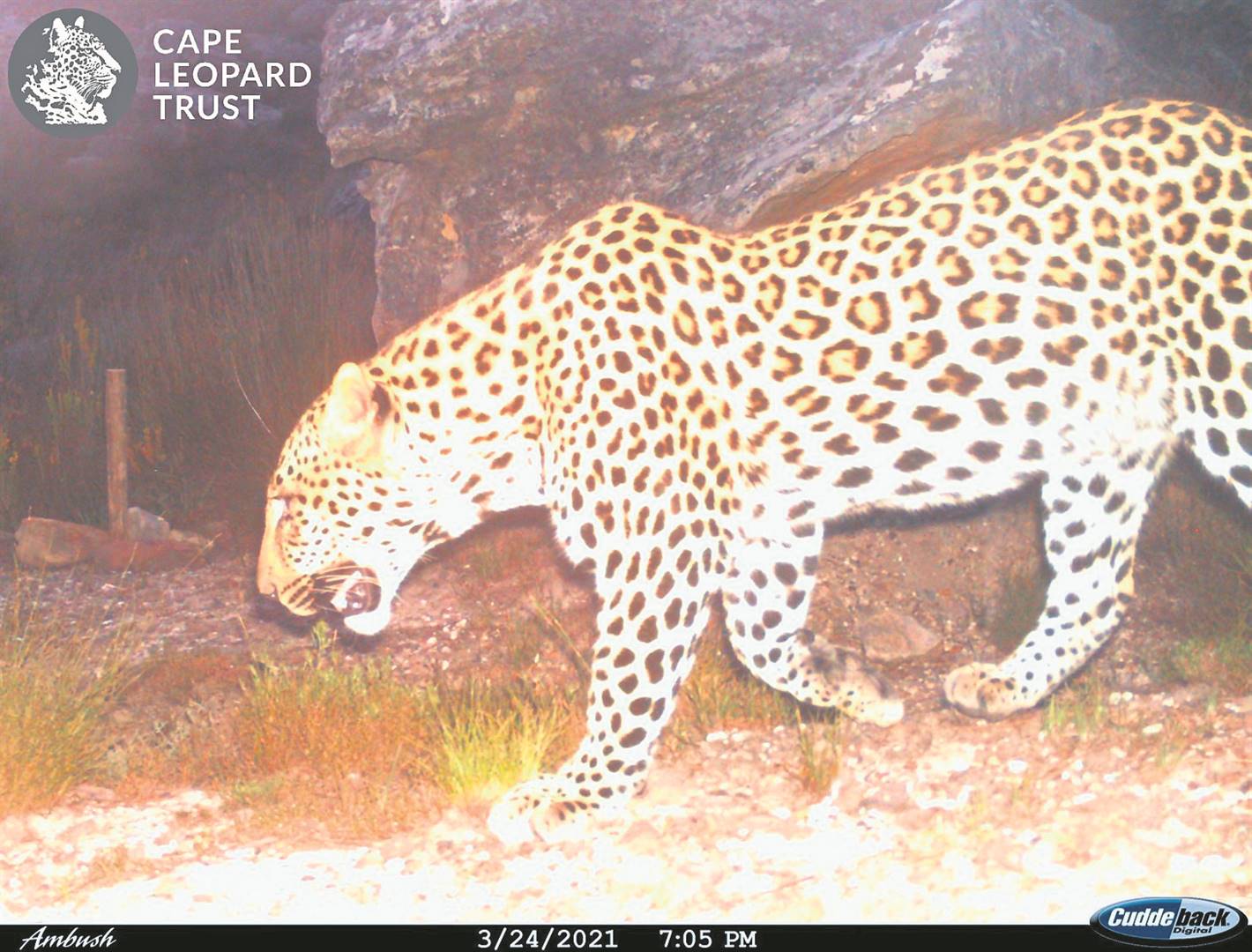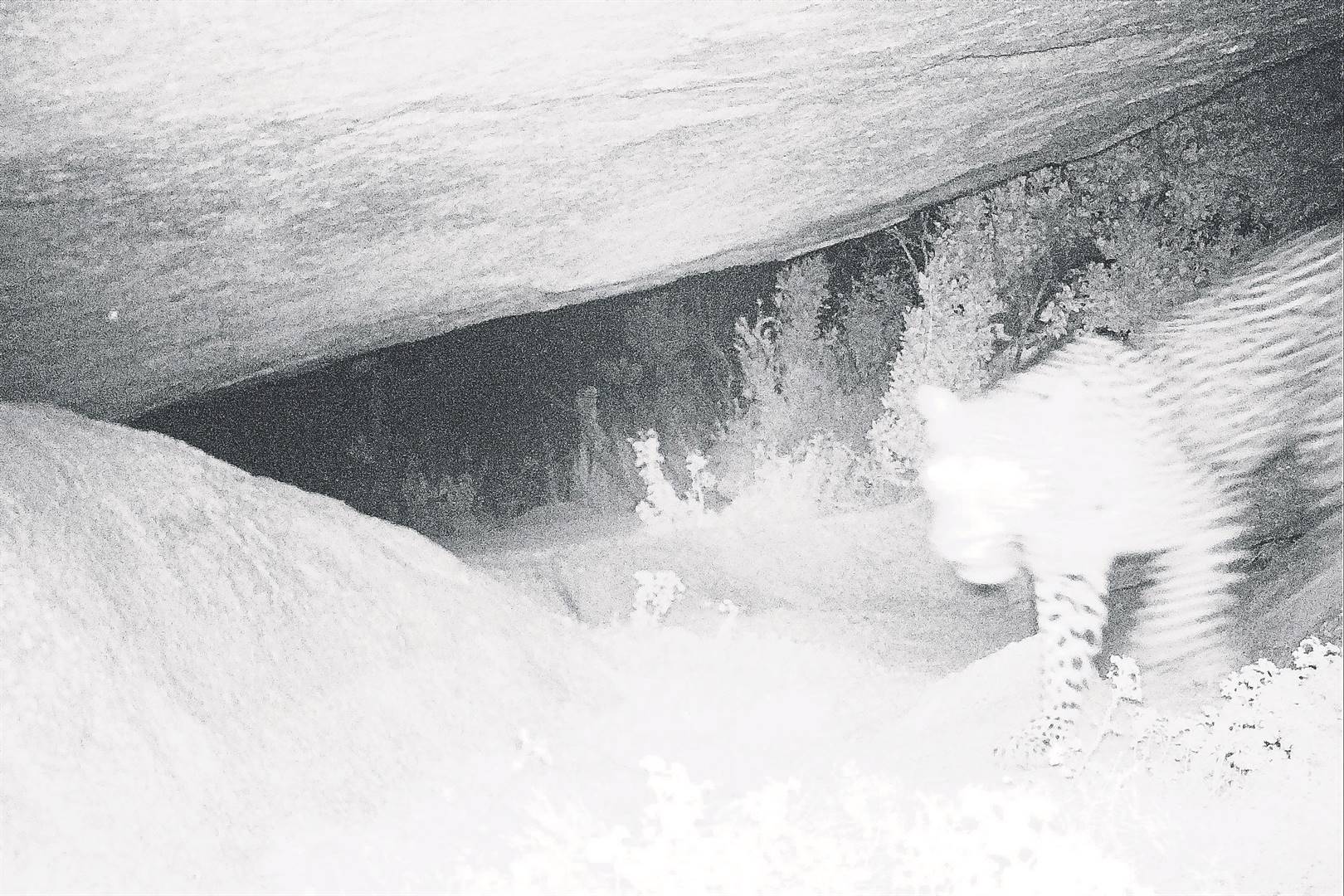
For the first time in years a leopard has been spotted in the Paarl Mountain Nature Reserve. The sighting was caught on camera in the early hours of last weekend.
The reserve’s manager, Lindsay Lewis, told Paarl Post it was the most exciting observation of the last six years.
“This was the first confirmed sighting since the last footage of a leopard captured by the previous management of the reserve,” he said. “The Cape mountain leopards are shy apex predators, the beauty of which was captured thanks to one of the trap-cameras in the reserve.”
Lewis said lots of excitement as well as apprehension had been expressed by hikers and cyclists visiting over the past couple of weeks, who had spotted paw prints on the reserve’s trails.”
He further explained Cape mountain leopards are extremely shy and were unlikely to venture too close to civilisation.
“They will not dwell too close to the urban buzz of the town, as they prefer quiet and secluded areas.”
The trap cameras were stationed in various areas within the reserve thanks to The South African Hunters and Game Conservation Association (Table Mountain Branch), in conjunction with the Drakenstein Municipality.
These cameras are strategically placed to record sightings of all the habitat’s species and predators roaming the mountain.
Lewis says an array of wildlife has over the past few months been recorded thanks to these cameras, which shows Paarl Mountain’s ecosystem is thriving.
Jeannie Hayward, media liaison for The Cape Leopard Trust, says Paarl Mountain is a fringe habitat for leopards. “Paarl Mountain is not contiguous with the main mountain ranges and is essentially an island of fynbos habitat within a sea of degraded land. These cats patrol massive territories of about 250 km² for a male, so an individual will not be on Paarl Mountain at all times, perhaps only visiting once in a while.”
Hayward said Western Cape leopards occur at a very low density and patrol huge home ranges.
– Continues on page 3.