The front-page article in Paarl Post of 12 May refers. Drakenstein Municipality (DM) can assure our community that we take water quality very seriously and take precautions all the time to limit pollution.
The municipality does preventative and reactive maintenance at all its wastewater treatment plants throughout the year. In fact, in the 2021-’22 financial year the municipality budgeted R7,5 million for mechanical and electrical maintenance work at the various wastewater treatment plants. This work is done by internal maintenance teams as well as external service providers.
Eskom load shedding and relentless vandalism are, however, starting to take their toll on expensive municipal wastewater pumps and machinery – not only in Drakenstein, but around South Africa.
DM’s existing generators supply power only for normal operations, which excludes the operations of the major treatment components, such as the bio-reactors, settling tanks and chlorine unit, which would require major capacity generators and substantial investment.
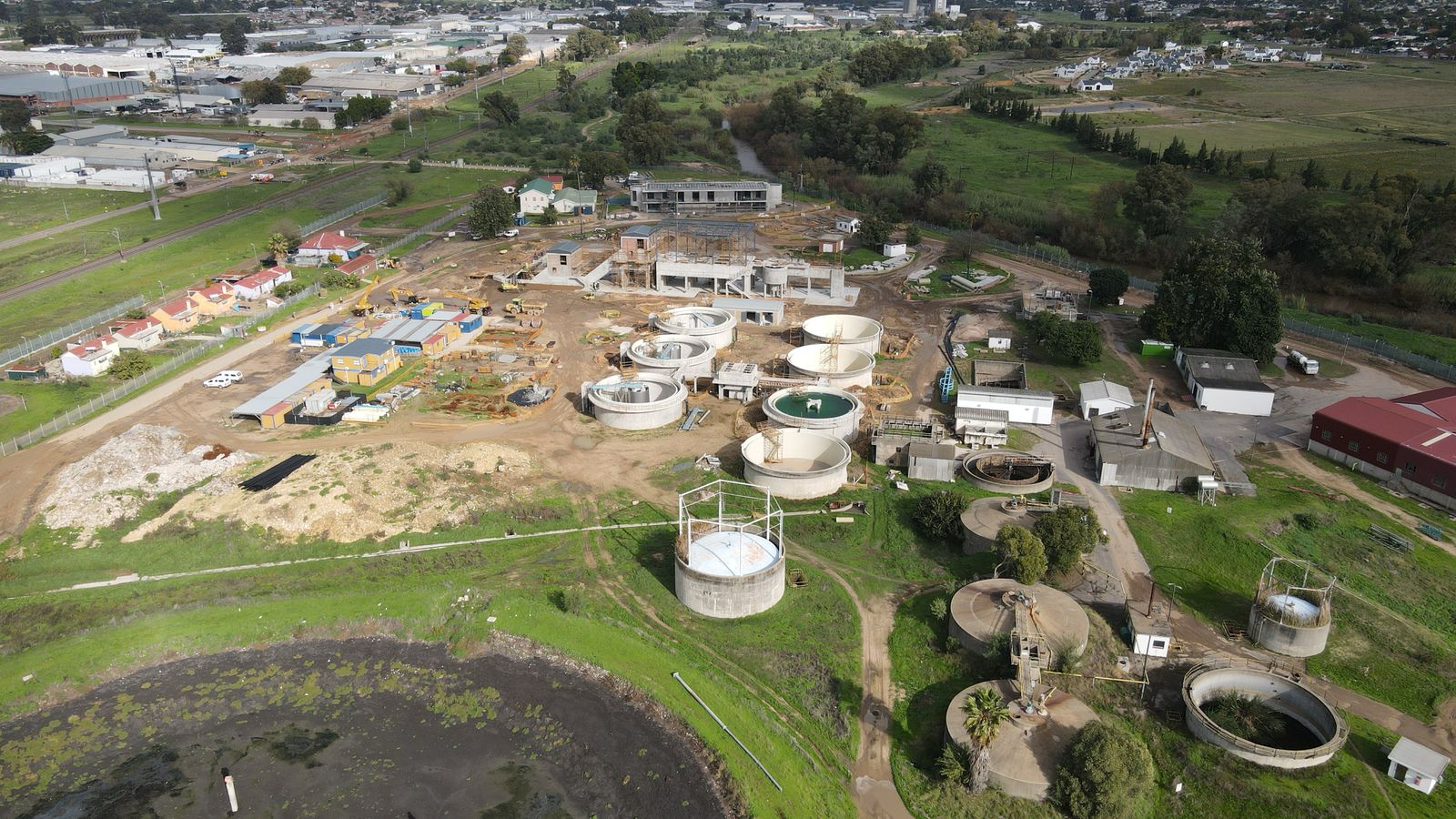
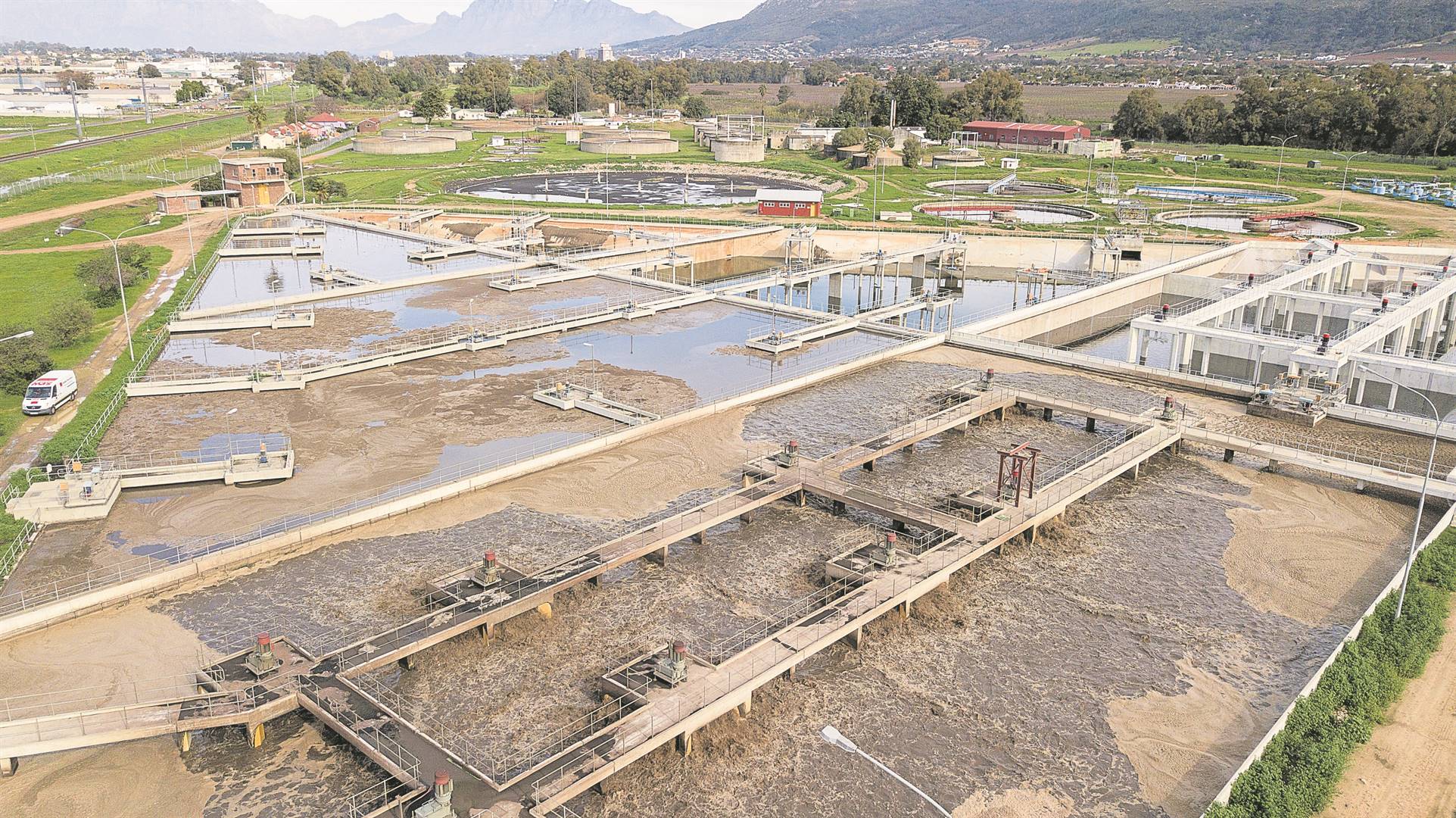
The background to an incident in April this year, when high microbiological counts were noticed in the Berg River, is that Eskom had instituted phase 2 and 4 load shedding from 11 April 2022. This caused damage to some of the critical mechanical components of the Paarl wastewater treatment plant.
The down time of the critical equipment to purify wastewater during phase 2 load shedding is normally 2.5 hours, which can be double the amount of time during stage 4.
The high microbiological counts were due to the non-functioning of the bio-reactor, settling tanks and chlorine system that cannot work during load shedding. However, the sewage still flows from the pumping stations and network to the sewage plant during those times when the power is off.
The effluent is normally diverted through the maturation ponds during load shedding, and it is there that better water qualities are obtained. However, because of blockages due to vandalism at the outflow of the maturation ponds, the water went through the chlorine contact channel as the dams started overflowing its banks. After most of the blockages were removed, the water was sent back through the maturation ponds to send the best quality to the Berg River.
Load shedding not only causes serious damage to expensive machinery and equipment, but also leads to an increase in crime and infrastructure vandalism, which already costs municipalities millions in repair work and replacements – money that was destined for crucial maintenance.
That is why the Mayor Conrad Poole, joined other mayors last week in calling on the National Cabinet to declare a state of disaster on Eskom and the energy sector.
In the meanwhile, the municipality is safeguarding our infrastructure against theft and vandalism as much as we can. We are also investigating routes to become load shedding resilient.