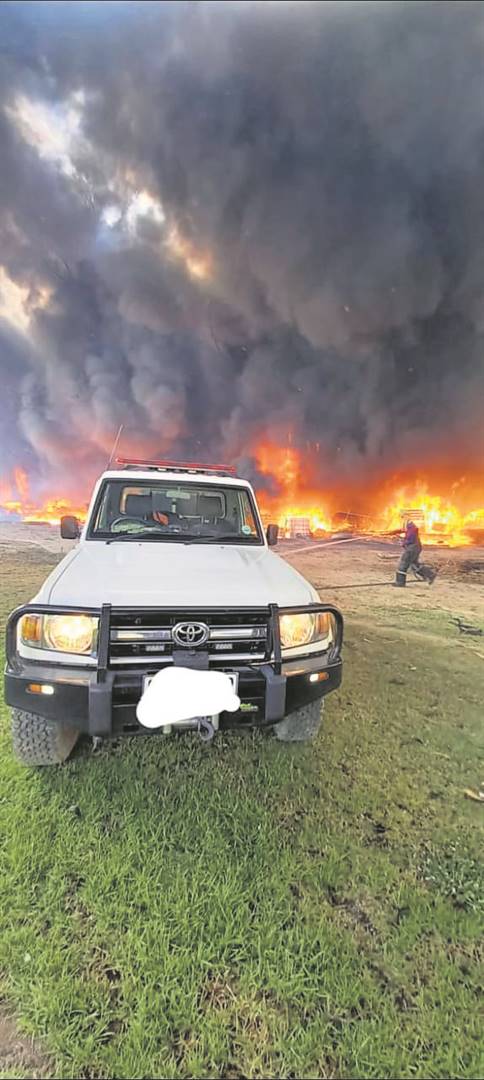
The Western Cape Disaster Management have already spent more than R15 million on firefighting this summer, and the bill is on the rise as more fires cause havoc.
During the month of January and February 2022 the province experienced very high Fire Danger Index ratings exceeding 75. During the weeks of 8 to 23 January and 1 to 22 February 2022 Western Cape experienced high temperatures ranging between 28-46ºC in some areas, placing the Disaster Management and Fire Services on high alert during this period.
The former resulted in an increased fire load imposed on all fire services in the province.
Nearly 1 800 veld/vegetation fires have been attended by Fire Services throughout the province since 1 December 2021. The provincial “first-hour” initial aerial attack was authorised on 45 occasions to augment land-based firefighting efforts by various organisations.
The 28 aircraft strategically placed throughout the Western Cape are, however, only some of the resources used for firefighting.
The provincial ground team was activated on eight occasions for initial as well as extended attack support.
Firefighters will also perform “backburning” or indirect attack where fires are allowed to burn or intentionally set alight under the correct conditions.
Despite the increase in both numbers as well as severity very minimal property losses were reported.
The Western Cape is also fortunate in the sense that no serious injuries or fatalities were reported at any of these fires. The majority of fires are caused by human actions, either through neglect or intent, nearly 96% of these fires were human caused with the remaining 4% attributed to natural causes, in mostly lightning strikes.
Fires affected the following socio-economic sectors: agriculture, conservation, forestry as well as residential both formal as well as informal.
On Tuesday (22 February) alone aerial support was again used to combat four fires: Klapmuts/Paarl, Klapmuts/Stellenbosch. Noordhoek and Grootbos at Gansbaai.