

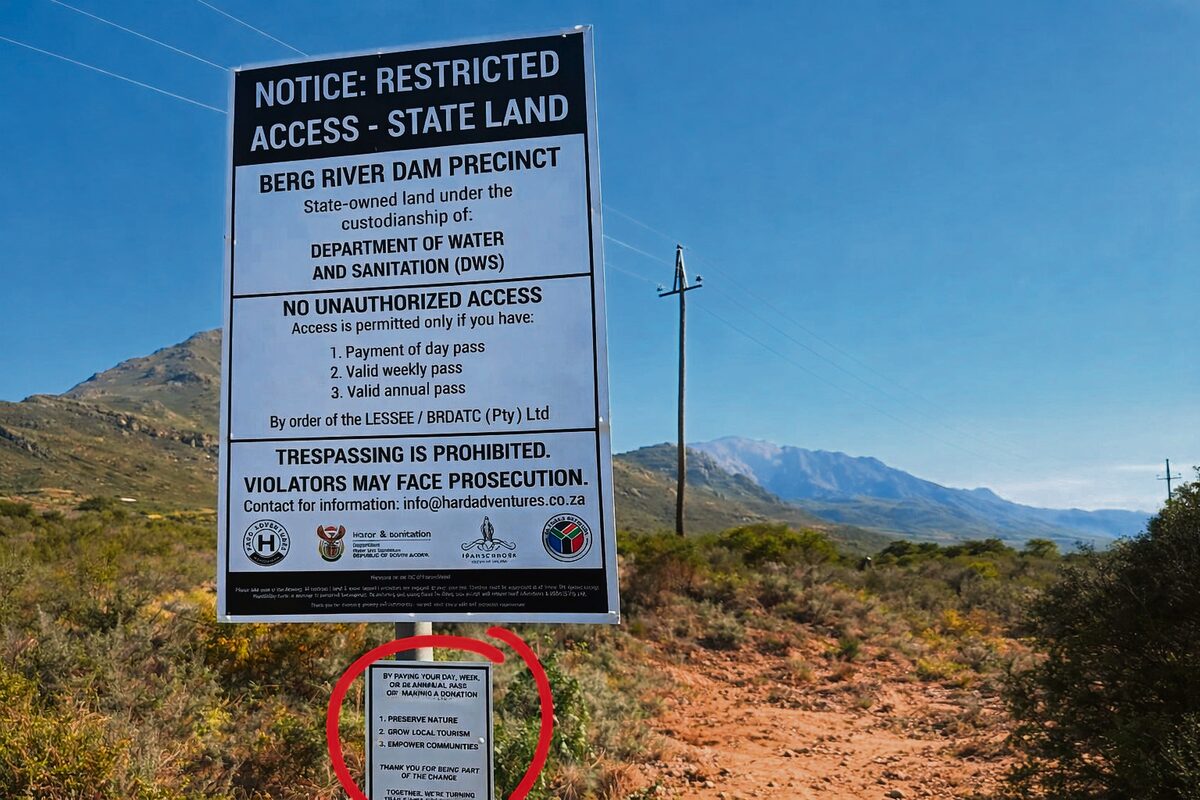
The future of recreational development around the Berg River Dam, called the Arc of Franschhoek, remains under scrutiny as the Department of Water and Sanitation (DWS) investigates the legality of the lease agreement.
This development follows earlier Paarl Post reporting on the leasing of the site to the Berg River Dam Adventure Tourism Company (BRDATC) for outdoor recreation and concerns raised by non-governmental organisations about the consultation process.
The lease is valid for nine years and 11 months from 28 February 2024 and is not subject to automatic renewal, Paarl Post previously reported
The lease
Wisane Mavasa, national spokesperson for the Department of Water and Sanitation, confirmed that concerns raised by members of the public prompted a site inspection by the DWS on 17 December 2025 which led to the inspection of the lease.
She added that the lease agreement is currently being reviewed internally through legal and administrative processes as part of an investigation into its legality.
READ: Berg River Dam site leased for outdoor recreational development
The department, however, did not disclose which aspects of the lease is being investigated, but rather stated that assessing of the lease is taking place to ensure it is in line with applicable governance and administrative processes.
“The Department of Water and Sanitation is considering the matter in terms of a legal services opinion obtained as part of its standard governance and due diligence processes for departmental agreements. This process forms part of routine internal controls to ensure compliance with applicable legal and administrative requirements. The assessment focused on the conclusion of the lease agreement, including compliance with procedural requirements and the authority of the contracting parties.”
According to Mavasa a public participation process was not required before the lease was concluded, as this is not mandated under its “2020 Lease Policy or Government Regulation 654” governing recreational use of state waterworks.
However, Mavasa noted that any additional approvals, such as environmental authorisation or water use licences, would trigger a compulsory public participation process.
Reghard Goussard, director of the BRDATC said in response to the investigation of the lease that “certain administrative and contractual elements are subject to ongoing refinement through [the] agreed addenda between the [DWS and the BRDATC] to ensure long-term operational sustainability and compliance”.
Community concerns
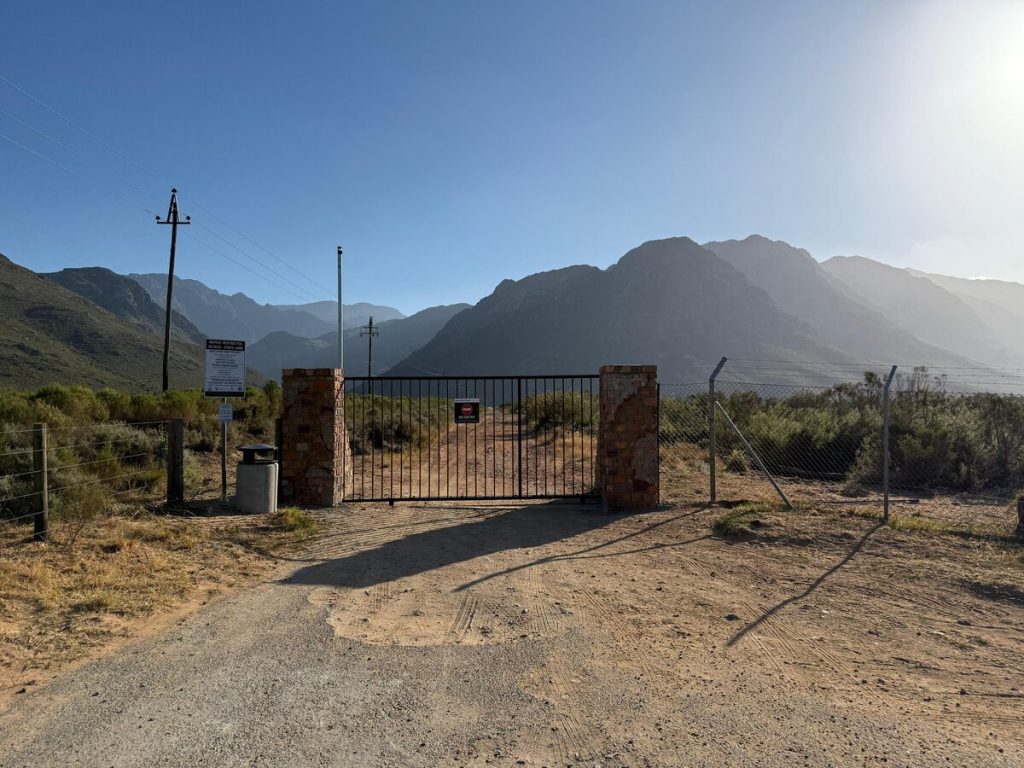
Meanwhile, the introduction of controlled access and entry fees has sparked unhappiness among some Franschhoek residents, who have traditionally accessed the dam area freely and now face restrictions under the new management system.
Current developments
Goussard said that the company is implementing a structured access system to ensure safety, maintenance and the long-term sustainability of the site.
This includes the installation of access control infrastructure such as CCTV, 24-hour armed response and on-site reception rangers, as well as upgrades to access roads and stormwater management systems to mitigate flooding risks.
READ: NGOs challenge consultation process in Berg River Dam lease; DWS says all above board
Goussard said current permitted activities at the dam include cycling, trail running, hiking, kayaking, rowing and swimming in designated areas, along with guided experiences and corporate events.
Environmental rehabilitation has also been prioritised, he said, including alien vegetation clearing, waste removal from historic dumping, trail repairs and limiting vehicle access to environmentally sensitive areas.
The Dam360 trail has been partially restored and is expected to reopen this month, Goussard added.
Coffee shop
However, some proposed developments remain subject to approval.
Mavasa confirmed that the department has not yet received a formal application for a coffee shop at the site, which is currently being considered by the BRDATC.
She emphasised that any such development would require prior approval and must comply with the “National Water Act and National Environmental Management Act” before it can proceed.
According to Goussard, a “small-scale, low-impact coffee offering is being considered to enhance the visitor experience”.
This remains subject to all required approvals and alignment with the DWS and the approved Resource Management Plan (RMP), he explained.
Public access
Public access and permitted activities remain a point of contention.
While dog walking is currently allowed by the BRDATC, the Department of Water and Sanitation stated that domestic animals are generally not permitted in conservation areas surrounding the dam, except for service animals.
As the investigation into the legality of the lease continues, the Berg River Dam project remains at the centre of debate – balancing tourism development, environmental protection and public access to a historically open natural space.


You must be logged in to post a comment.