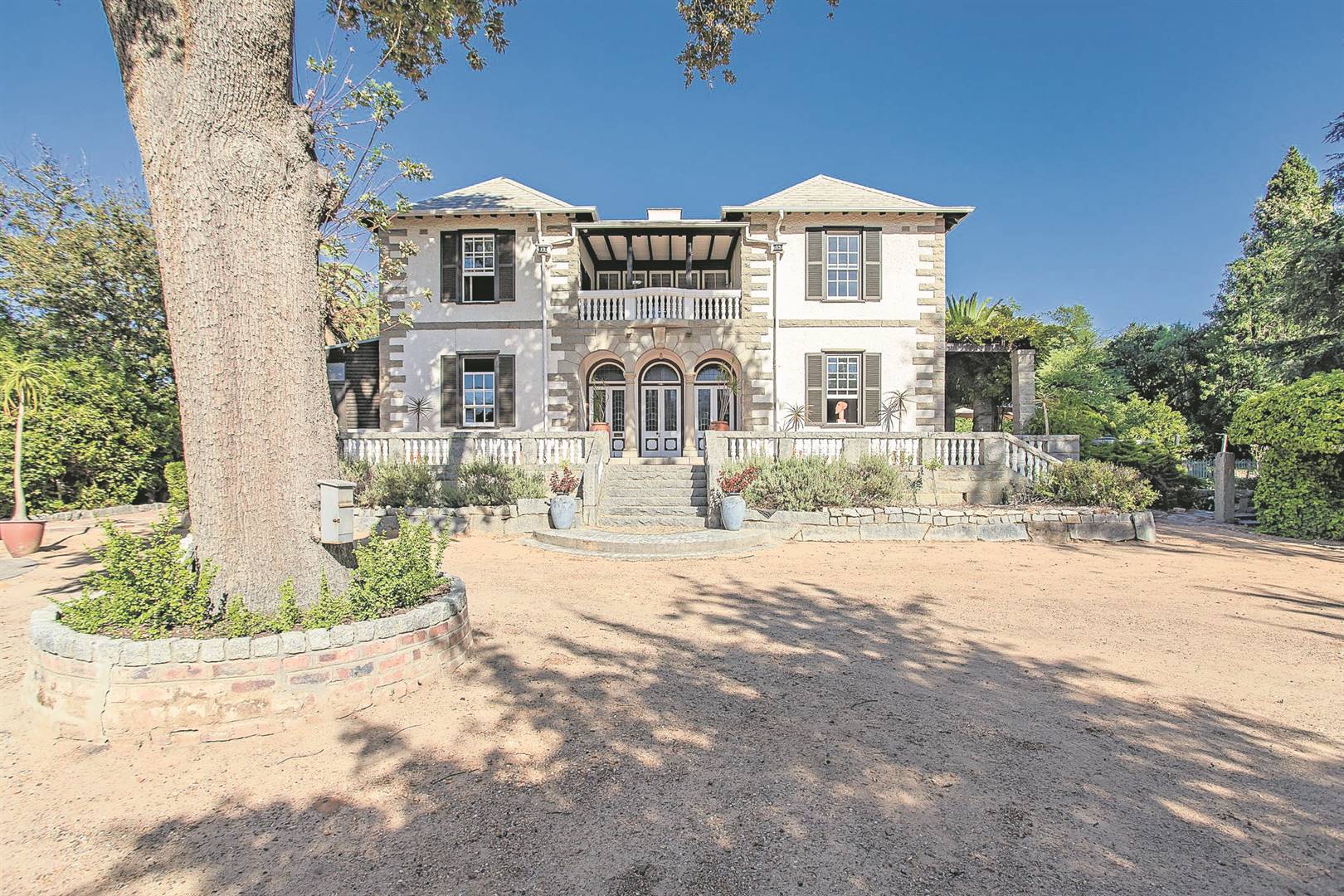
The Post Scriptum of 10 March 2022 on “how to treat old buildings” refers.
Johan Rademeyer is correct in noting a lack of consistency in Heritage Western Cape’s (HWC) application of the law.
Even within the Heritage Overlay Protection Zone in Wellington there are entire informal developments that go unnoticed, even though they have been erected in blatant contravention of the National Heritage Act.
In other cases some owners are directed to restore heritage buildings at their own expense one year, and two years down the track a new owner is given permission to convert the restored wonder into “offices”.
Another area in which the writer is correct is that the world boasts many instances of ingenious design where heritage is combined with modernity. The old and the new can co-exist happily, but in the right circumstances.
I am a little reticent to endorse the author’s idea that “gut feel” should have a place in the restoration of buildings, however. Intuition is always at its best when informed by research, experience and professional input.
Not every budding restorer has Johan Rademeyer’s meritorious eye for aesthetics. Ill-considered restoration to heritage buildings leads to degradation. This in turn becomes a factor in how a heritage site is graded.
The lowlier the grading of a given building or site the less impervious it is to further development, with or without the mitigating wand of a heritage consultant.
If your town is losing its quaintness, then I would venture to say that it may be the result of too much “gut feel”.