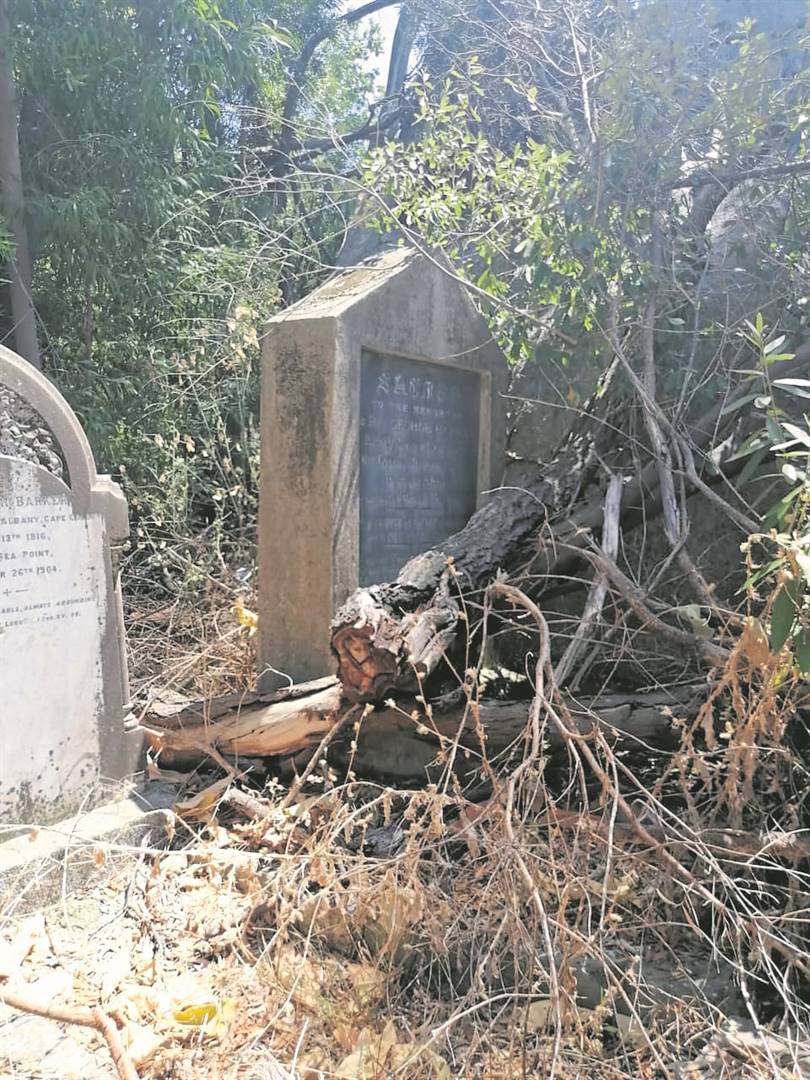
The graveyard cypress has been remarkably successful in carving out a niche for itself in the world of trees.
Ever since classical antiquity it has been associated with mourning and eternal life. Is it because it is a dark, sombre, mournful-looking tree with a slender, upright form, stripped of all human vanity and extravagance? Or is it because it is a symbol of immortality?
It stays green all year round (sempervirens means “always alive” in Latin), its wood is highly resistant to decay, its shape hardly changes over decades once it has reached maturity, and it can withstand the trials and tribulations of earthly life (storms, winds, drought, fire) for a hundred years. Or again, is it simply because its vertical form reminds us of a finger pointing skyward to direct our thoughts to eternity?
Whatever the reasons, it is a fact that the graveyard cypress has struck a powerful chord of melancholy and solemnity in people of many cultures, all over the world. The French have an expression “to sleep under a cypress”, which one also hears in South Africa as “sleeping under the tall trees”.
The graveyard cypress, one of approximately 20 species of trees in the genus Cupressus, originated in the eastern Mediterranean region, roughly from Italy and Libya eastward to Turkey and Syria. An isolated population of graveyard cypresses is also found in Iran, further to the east. The Cupressus genus forms part of a family of conifers, which also includes our Clanwilliam cedar as well as the junipers, the gigantic redwoods of North America and the so-called bald cypress of the southern USA. This family is known for the longevity of some of its members, and in its native habitat the graveyard cypress lives up to this reputation. In Iran stands one of these trees that is estimated to be over 4 000 years old. In cultivation outside its native range, its average lifespan is about 100-150 years.
The graveyard cypress is also known as the Italian cypress or the Mediterranean cypress. It has long been a popular ornamental tree in Italy, especially Tuscany, and in Provence, France. In the villages and countryside of both those regions the graceful, slender shape of the graveyard cypresses has become a characteristic feature of the landscape. They line roads, outline fields, decorate cemeteries and adorn houses.
They feature in the literature and art of Leonardo da Vinci and Vincent van Gogh. In Provence the long-lived, undemanding, evergreen trees serve as valuable windbreaks, especially in late winter when the Mistral whips down the Rhône valley.
The foliage of the graveyard cypress consists of small, dark green, scaly leaves, 2-5 mm long, packed tightly and partly overlapping on thin shoots which radiate in all directions. Male (pollen-producing) and female (seed-producing) cones are borne on different branches of the same tree. The tree can grow to 30 metres at maturity, but is more typically 15-20 metres high. Once established, the species is highly tolerant of drought, being impervious to long, drawn-out summers, but it is not overly fond of severe cold, especially when young. It is not fussy about soil type, except that it prefers well-drained soil.
In Paarl the slender, pencil-shaped variety of the graveyard cypress, known as the stricta variety, can be seen at several places at cemeteries and around churches. As can be expected of a tree which is genetically adapted to a Mediterranean climate, it seems quite happy in our town. Conflicting reports exist about its growth rate, but the preponderance of opinion suggests that it is slow-growing.